


Lymphatic drainage massage is a surprisingly gentle, rhythmic technique that delivers some seriously powerful results. From helping you feel lighter and less swollen to giving your immune system a helping hand, it’s all about supporting your body’s natural cleanup crew. This specialized form of massage is gaining recognition not just in spas, but in clinical settings for its profound impact on health, recovery, and overall well-being. Whether you're an athlete, recovering from surgery, or simply seeking to detoxify and feel your best, understanding the benefits of lymphatic drainage massage is the first step towards unlocking a new level of wellness.
Your Guide to Lymphatic Drainage Massage Benefits
Let's dive into one of wellness's most effective—and often misunderstood—treatments. Lymphatic drainage massage is a precise, methodical technique designed to support your body’s 'cellular waste disposal system.' Think of it as the quiet, essential team that works behind the scenes to keep your internal environment clean and running smoothly. Unlike traditional massages that focus on muscle tissue, this technique targets the lymphatic system directly, using feather-light pressure and rhythmic motions to encourage fluid movement.
When you intentionally stimulate this system, the results can be profound. This guide will unpack the core benefits, from reducing that stubborn post-surgery swelling to cutting down on muscle soreness after a tough workout. We’ll also touch on how it supports your immune response and can even lead to clearer, more vibrant skin. Bottom line: a happy lymphatic network is key to your overall health, influencing everything from how you look to how you feel and recover from daily life.
Understanding the Network
The lymphatic system isn’t just a few random nodes; it's a massive, intricate network of vessels and nodes that runs throughout your entire body, parallel to the circulatory system. Its job is incredibly important and multifaceted, making it a cornerstone of your physiological health.
- Waste Removal: It’s responsible for picking up excess fluid, proteins, and cellular junk that naturally leaks from blood capillaries into your tissues. This is its primary detoxification role.
- Immune Defense: This is the superhighway for your immune cells (lymphocytes), moving them around to fight off infections where they're needed most. Lymph nodes act as barracks and battlegrounds for these cells.
- Fluid Balance: It plays a constant, critical role in making sure the fluid levels between your blood and tissues are perfectly balanced, preventing edema and bloating.
- Fat Absorption: Specialized lymphatic vessels in the intestines, called lacteals, absorb dietary fats and fat-soluble vitamins, transporting them into the bloodstream.
This anatomical diagram really brings home the complexity of the lymphatic system, showing its incredible reach from head to toe.

The image highlights just how interconnected everything is, which helps explain why stimulating it can have such a widespread, positive impact on the whole body. We'll get into both the trusted manual techniques and the modern technologies that clinics are now using to get consistent, powerful results for a huge range of clients, from post-operative patients to elite athletes.
Understanding Your Body’s Silent River
To really get why lymphatic drainage massage is so effective, you first have to understand the incredible system it supports. Picture your lymphatic system as a quiet, invisible river flowing just beneath your skin. Unlike your circulatory system, which has the heart acting as a powerful pump, this network depends on your muscles contracting, deep breathing, and on outside help to keep things moving. This passive nature is precisely why it can become congested so easily.

This huge network is basically your body’s primary sanitation department. It’s a complex web of tiny vessels and hundreds of little, bean-shaped lymph nodes that are working 24/7 to keep your internal environment clean and balanced. Their main job is to pick up all the extra fluid, cellular waste, proteins, pathogens, and toxins that your circulatory system leaves behind in your tissues. This constant cleanup is vital for cellular health and function.
The Role of Lymph and Lymph Nodes
The fluid moving through this network is called lymph. It’s the clear, watery stuff that carries all this unwanted junk away from your cells. The lymph nodes then act like smart filtration stations or security checkpoints along the way. Think of them as the sophisticated water treatment plants of this internal river system.
As lymph flows through these nodes—which are clustered in places like your neck, armpits, and groin—immune cells are on high alert, identifying and destroying harmful invaders like bacteria, viruses, and even abnormal cells. It’s a process absolutely fundamental to your body's ability to fight off infections. Once filtered, this clean fluid is eventually sent back into your bloodstream, completing a crucial cycle that maintains fluid homeostasis and immunological readiness.
"The lymphatic system is a crucial, yet often overlooked, part of our immune and detoxification processes. Its efficiency directly impacts how we feel, how we look, and how well we recover from daily stressors."
This whole intricate system is responsible for several critical jobs that keep you feeling your best. When it's working well, you're working well. When it falters, the effects can be felt system-wide.
When the Flow Slows Down
Because it doesn’t have a central pump, the lymphatic system can get sluggish pretty easily. Things like a sedentary lifestyle, illness, surgery, dehydration, or even chronic stress can slow its flow down to a crawl. When that happens, all that waste-filled fluid gets stuck in your tissues instead of being carried away efficiently. This stagnation is often referred to as lymphatic congestion.
This congestion is what kicks off a whole cascade of symptoms you’d rather not have. Recognizing these signs is the first step in understanding why getting this system moving again is so important for your overall wellness.
Common Signs of a Sluggish System:
- Puffiness and Swelling: You might notice it in your face, ankles, or fingers as that excess fluid starts to build up. This is classic edema.
- Persistent Fatigue: Your body has to work overtime to function in the middle of its own unprocessed waste, leaving you feeling constantly drained and lethargic.
- Brain Fog: When toxins hang around, it can impact your cognitive function, making it hard to concentrate and feel mentally sharp.
- Weakened Immunity: A backed-up system means your immune cells can't travel effectively, making you more likely to get sick or take longer to recover from illnesses.
- Skin Issues: Conditions like acne, cellulite, and dullness can be exacerbated by poor lymphatic flow, as toxins accumulate in the skin.
By understanding what happens when this "silent river" gets blocked, the value of treatments designed to get it flowing freely becomes crystal clear. This sets the stage for the powerful benefits of lymphatic drainage massage.
How Massage Reduces Swelling and Edema
One of the most celebrated benefits of lymphatic drainage massage is its incredible power to reduce swelling and fluid retention, a condition known as edema. When the lymphatic system gets sluggish—often from surgery, an injury, or even just being inactive—fluid can get trapped in your tissues. This is what leads to that uncomfortable puffiness and feeling of heaviness. This massage technique essentially acts as a manual pump to get things moving again, guiding the stagnant fluid back into circulation.
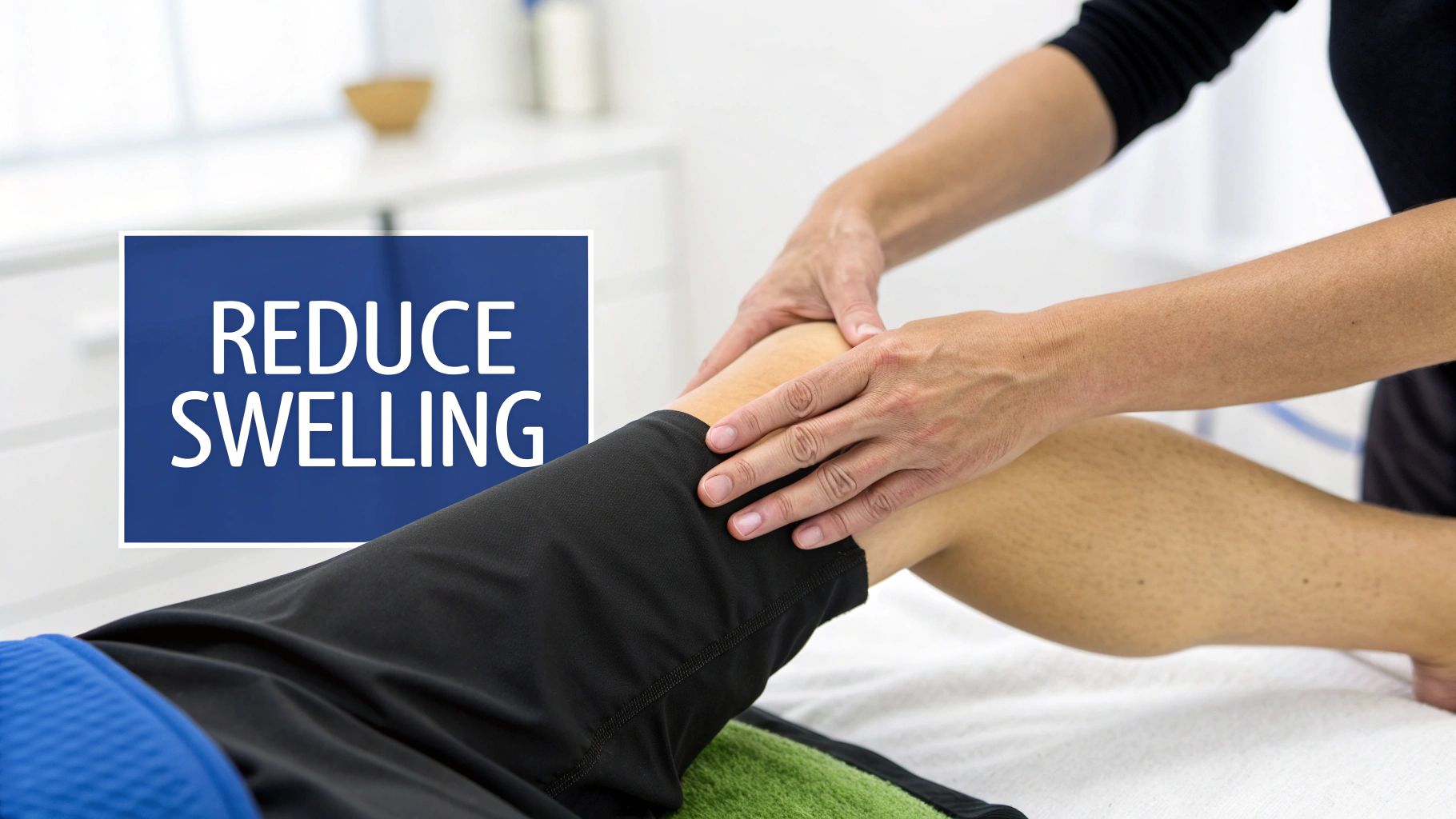
The process itself is remarkably gentle. A trained therapist uses light, rhythmic strokes that stretch the skin in the direction of lymphatic flow, a stark contrast to the deep pressure of other massages. This subtle action directly encourages the initial lymphatic vessels—the tiny gateways of the system right under the skin—to open up and draw in the excess fluid. The movements follow specific pathways, moving fluid toward clusters of lymph nodes where it can be properly processed and filtered.
Think of it like gently guiding backed-up traffic onto an open freeway. It clears the congestion and gets everything flowing smoothly again. This isn't just a temporary fix; regular sessions can help improve the system's overall efficiency.
Post-Surgical and Recovery Applications
This effect is absolutely critical in a post-operative setting. After procedures like liposuction, tummy tucks, or orthopedic surgeries, the body’s natural response is inflammation and significant swelling. That swelling doesn't just cause discomfort; it can actually slow down the entire healing process by impeding the flow of oxygen and nutrients to the tissues. Lymphatic drainage massage helps manage this by efficiently moving the excess fluid away from the surgical site.
This process brings a few key advantages for anyone in recovery:
- Reduced Discomfort: Less swelling means less pressure on sensitive nerves, which leads to a noticeable drop in pain and tenderness.
- Faster Healing: By clearing out cellular waste and improving fluid balance, the massage helps create the perfect environment for your tissues to repair and regenerate.
- Minimized Scar Tissue: Proper fluid movement can help prevent the excessive buildup of fibrous scar tissue, which often leads to much better aesthetic outcomes and improved mobility.
- Lowered Risk of Infection: By moving stagnant fluid, the technique helps prevent the buildup of protein-rich fluid that can be a breeding ground for bacteria.
By manually rerouting stagnant fluid toward healthy, functioning lymph nodes, lymphatic drainage massage doesn't just reduce puffiness—it actively supports the body's intrinsic healing capabilities when it needs it most.
And the evidence backs this up. For instance, a landmark 2014 clinical trial showed that early intervention with manual lymphatic drainage (MLD) after surgery significantly prevented secondary lymphedema. The incidence actually dropped by over 50% in the group that received MLD. Further analysis has since reinforced that consistent treatment is what yields the most significant reductions in fluid volume.
Restoring Comfort and Balance
Ultimately, the goal is to get rid of that heavy, tight feeling that comes with edema and restore a sense of lightness and comfort to the body. Whether you're dealing with post-workout swelling, post-surgical recovery, or generalized fluid retention from travel or lifestyle factors, targeting the lymphatic system is a direct and highly effective strategy.
By understanding how to manage fluid buildup, you can take a much more active role in your own recovery and well-being. For more practical advice, check out our guide on how to reduce leg swelling.
Accelerating Recovery for Athletes
For any serious athlete, recovery isn't just a buzzword—it's the key to unlocking better performance. Every hard workout and competition leaves its mark, creating micro-trauma in your muscles and a buildup of metabolic waste like lactic acid. This is the stuff that causes that all-too-familiar soreness, stiffness, and fatigue that holds you back. Delayed Onset Muscle Soreness (DOMS) can sideline an athlete, compromising subsequent training sessions.
This is where the lymphatic system becomes your secret weapon. The real magic of lymphatic drainage massage is its ability to supercharge your body's natural cleanup crew. By manually stimulating this system, you're essentially helping to flush out all those performance-draining byproducts much more efficiently. Your muscles spend less time bogged down and more time repairing, which means you get back to 100% faster.
The faster an athlete can clear metabolic waste and reduce inflammation, the quicker they can return to peak training intensity. Lymphatic drainage provides a direct, non-invasive method to support this crucial biological process.
By speeding up this waste removal process, you're not just easing soreness; you're actively cutting down on downtime. You can get back to training sooner, feeling stronger and more prepared for the next challenge. This makes it an invaluable addition to any comprehensive recovery protocol, alongside stretching, nutrition, and proper rest.
From General Soreness to Acute Injuries
The benefits for athletes don't stop at managing everyday post-workout fatigue. This therapy is also incredibly effective for acute injuries like a sprained ankle, where swelling is public enemy number one. When you get injured, excess fluid floods the area, causing pain, restricting your movement, and slowing down the delivery of oxygen and nutrients your tissues desperately need to heal.
Lymphatic massage works by manually guiding this stagnant fluid away from the injury site. It's a targeted approach that can deliver surprisingly fast results, helping to control the inflammatory response without completely halting the natural healing process.
- Pain Reduction: By easing the pressure from swelling on nearby nerves, you can get almost immediate pain relief.
- Improved Mobility: As the fluid clears out, the joint's range of motion comes back much quicker, letting you start crucial rehab exercises sooner.
- Accelerated Healing: Better circulation to the area gives your body’s natural repair mechanisms the support they need to work properly, reducing the overall recovery timeline.
This isn't just theory; clinical evidence backs it up. One controlled trial, for instance, showed that just one session of manual lymphatic drainage (MLD) brought on significant drops in both pain and swelling for athletes with acute ankle sprains. A week later, those same athletes showed far better gains in range of motion compared to those who just got standard care. You can explore the research on its impact on athletic injuries to see the data for yourself.
This is how we bridge the gap between classic hands-on techniques and the high-tech recovery tools athletes rely on today. Adding lymphatic support to a training regimen is simply a smart play for anyone serious about optimizing their physical output. For more on this, check out our guide to the best recovery tools for athletes.
Enhancing Aesthetic Outcomes and Skin Health
Beyond the deep-seated benefits for recovery and swelling, one of the most visible and sought-after results of lymphatic drainage is what it does for the skin. It’s simple, really: when your lymphatic system is humming along efficiently, you can see it on your face and body. This gentle therapy is like a supercharged detox, leading to a visible reduction in puffiness, a much brighter complexion, and sharper contours.
So, how does it work? Think of it this way: cellular waste, toxins, and excess fluid can get trapped in the delicate tissues right under your skin. This backlog is what leads to that congested, dull, or puffy look we all want to avoid. Lymphatic drainage is like a targeted decluttering service for these tissues, gently clearing away all that buildup. This process is particularly effective for the face, where the skin is thin and signs of congestion are most noticeable.
This clearing process allows fresh, oxygen-rich blood to flow in and nourish the skin cells, giving you that healthy, lit-from-within glow. It’s one of the most fundamental ways to achieve truly vibrant skin from the inside out.
From Puffy to Polished
One of the first things clients notice, especially after a facial treatment, is how much less puffy they look. This is particularly true around the eyes and along the jawline. The face is packed with lymph nodes, so even a little bit of fluid retention can soften your natural features and make you look tired.
A lymphatic drainage facial massage zeroes in on these specific pathways, coaxing stagnant fluid to get moving again. The results can be pretty dramatic.
- More Defined Contours: By draining away that underlying fluid, cheekbones and jawlines suddenly appear more sculpted and defined.
- Brighter Complexion: Clearing out toxins and boosting circulation is the secret to getting rid of dullness. The skin just looks more luminous and even-toned.
- Reduced Under-Eye Bags: That gentle drainage is a game-changer for the puffiness that makes eyes look tired.
- Improved Skin Conditions: For those with acne or rosacea, reducing inflammation and clearing congestion can lead to a calmer, clearer complexion.
Think of it as a deep spring cleaning for your skin. You're clearing out the old, stagnant gunk to make space for healthy circulation. The result is a vibrant, refreshed appearance that you just can't get from topical products alone.
This is exactly why lymphatic treatments are the perfect partner for other aesthetic services. When you fold it into a client's care plan, it seriously amplifies the results of facials, body sculpting treatments, and post-surgical recovery. For instance, after procedures like CoolSculpting or liposuction, it helps the body clear out the treated fat cells and reduces swelling, which ultimately refines the final look.
This integrated approach doesn't just deliver better visual outcomes; it leaves clients feeling lighter and more energetic. It’s that powerful combination of looking and feeling amazing that builds real loyalty and keeps them coming back.
Integrating Technology with Lymphatic Health
We know manual lymphatic drainage works. The benefits are clear and well-documented. But for modern wellness centers, there's a very real-world challenge: how do you deliver those incredible results consistently, client after client, day after day? This is where the human element can be a variable.
This is where device-assisted lymphatic therapy comes in. It’s not about replacing the human touch, but about using smart technology to mirror—and even enhance—the core principles of manual drainage, ensuring consistency and efficacy.
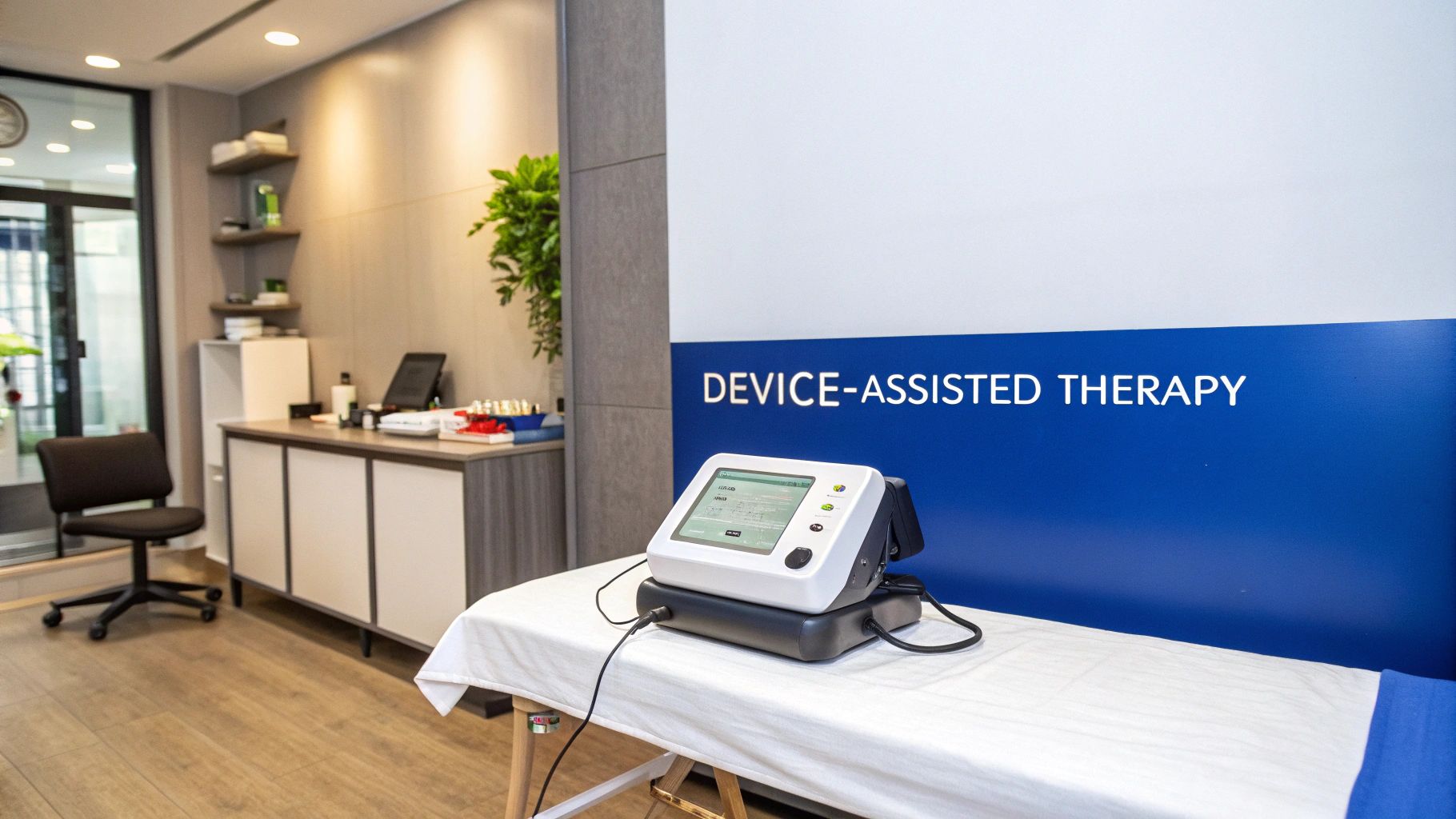
Take systems that use intermittent negative pressure, for example. They apply gentle, rhythmic cycles of suction to the lower body. This action is designed to effectively mimic the light, directional strokes of a manual massage, stimulating the lymphatic vessels without needing a therapist present for the entire session. This technology provides a precise, repeatable stimulus that can be difficult for even the most skilled therapist to replicate perfectly every time.
Operational Advantages for Your Business
Bringing this kind of technology into your clinic isn't just about a new service—it's about creating serious operational efficiencies and opening up new revenue streams. It’s a way to serve more clients and maintain an incredibly high standard of care, freeing up your skilled staff for more complex, hands-on treatments.
The main advantages are game-changers:
- Unattended Sessions: Once a client is set up, the device handles the entire session. This frees up your expert staff to perform other high-value, hands-on services, effectively allowing you to serve two clients at once.
- Repeatable Results: Technology delivers the exact same protocol, every single time. This consistency builds client trust and loyalty in a way that’s difficult to achieve manually.
- Recurring Revenue Streams: The efficiency and passive nature of these sessions make them perfect for memberships and package deals, creating a predictable and stable income source.
- Lower Labor Costs: By automating a portion of the service, you can optimize staffing and reduce overhead, improving your bottom line.
By blending hands-on expertise with reliable technology, wellness centers can create a more scalable and profitable service menu that meets modern client demands for effective, efficient treatments.
Building High-Value Wellness Packages
This technology isn't meant to be a standalone replacement for manual therapy. Think of it as a powerful complement—a foundational treatment that boosts the results of everything else you offer. It creates a more complete wellness journey for your clients.
For instance, you can pair device-assisted lymphatic drainage with:
- IV Therapy: Optimize circulation before the infusion to improve nutrient delivery and absorption at the cellular level.
- Body Contouring: Help accelerate the removal of waste products and reduce swelling post-treatment, leading to faster and more visible results.
- Personal Training: Offer sessions as a premium recovery tool that helps athletes bounce back faster and reduce muscle soreness.
- Infrared Saunas: Combine treatments for a powerful one-two detox punch, enhancing the body's ability to sweat out toxins.
This strategy allows you to build high-value packages that hit multiple client goals at once. To really get into the nitty-gritty, you can learn more about the science of how negative pressure supports circulation in our detailed guide. It's a smart way to position your business at the forefront of the wellness industry.
Your Top Questions About Lymphatic Drainage
Thinking about trying this therapy but still have a few questions? You're not alone. To help you feel completely confident, let's walk through some of the most common things people ask before their first session.
How Often Should I Get a Lymphatic Drainage Massage?
The best frequency really comes down to what you’re trying to achieve. If you're recovering from surgery or managing a condition like lymphedema, a more intensive initial plan is usually best. This could mean coming in 2-3 times a week to start, then gradually spacing out your sessions as things improve. A therapist will work with you to create a tapering schedule.
For general wellness, detox support, or helping your muscles recover after a workout, once or twice a month is often the perfect rhythm to keep your system running smoothly. For aesthetic goals, like reducing facial puffiness before a big event, a session a day or two prior can yield beautiful results. The golden rule is to chat with a qualified therapist who can map out a plan that makes sense for your body and your goals.
One of the most powerful aspects of lymphatic drainage is its cumulative effect. Consistent sessions essentially train your lymphatic system to work more efficiently all on its own.
Does Lymphatic Drainage Massage Hurt?
Not at all. In fact, it shouldn't feel anything like a deep tissue massage. Lymphatic drainage uses an incredibly light, gentle, and rhythmic touch. The whole point is to stimulate the delicate network of lymphatic vessels that lie just beneath your skin's surface, not to dig into deep muscle knots. The pressure is often described as being just enough to move the skin, but not the muscle underneath.
Most people find the experience deeply relaxing and almost meditative. The slow, repetitive strokes can have a calming effect on the nervous system. It’s very common to feel a sense of lightness and release afterward as the fluid starts moving properly again. You may also feel a need to urinate more frequently after a session, which is a positive sign that your system is flushing out excess fluid.
Who Should Avoid This Type of Massage?
While lymphatic drainage is incredibly safe for most people, there are a few situations where it's not recommended. These are known as contraindications. It's absolutely essential to talk to your doctor before booking a session if you have any of the following:
- Congestive heart failure: The movement of fluid can put extra strain on the heart.
- A history of blood clots or stroke: Massage could potentially dislodge a clot.
- A current or acute infection: Stimulating the lymphatic system could spread the infection.
- Kidney problems: The kidneys are responsible for processing the fluid being moved, and impaired function could be an issue.
- Active cancer: There is concern that the massage could spread cancerous cells, although this is a topic of ongoing debate.
Always be upfront about your complete health history with your therapist. This transparency ensures the treatment is both safe and effective for you, allowing you to get all the benefits without any of the risks.
At Weyergans HighCare US, we offer a modern, device-based approach to lymphatic health that delivers consistent, relaxing, and effective results. The Vacustyler Avantgarde provides an efficient, unattended session that supports recovery, enhances circulation, and promotes aesthetic outcomes.
Discover how our technology can elevate your wellness offerings.