


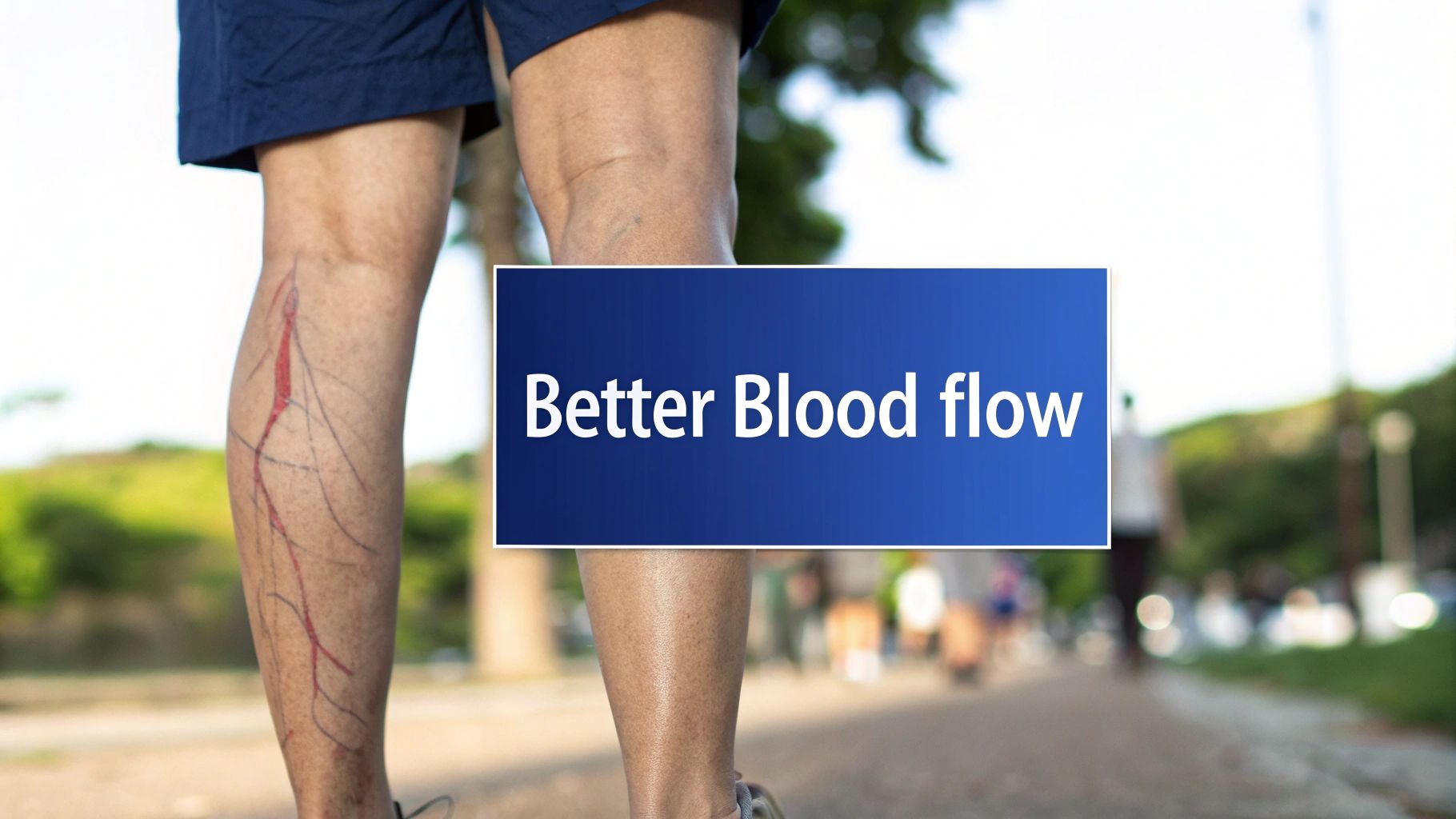
That nagging ache or heaviness in your legs isn’t just a sign of a long day. Poor leg circulation is a critical warning sign that something is disrupting your body’s incredibly complex delivery network. It’s not just about discomfort; it’s a signal that your tissues and nerves might not be getting the oxygen and nutrients they need to thrive. Understanding the root causes is the first step toward taking control and improving your vascular health.
It’s not a disease on its own, but rather a symptom pointing to a deeper issue. Typically, it boils down to one of two problems: arterial blockages that stop oxygen-rich blood from getting to your legs, or venous problems that prevent blood from getting back out efficiently. Recognizing which side of the system is struggling is key to finding the right solution.
Your Circulatory System And What Goes Wrong
Think of your circulatory system as a bustling city’s highway system. Your arteries are the major outbound expressways, designed to deliver fresh oxygen and nutrients from your heart to every neighborhood in your body—especially your legs. Your veins are the return routes, fighting an uphill battle against gravity to bring used, deoxygenated blood back to the heart and lungs for a refill. This entire network, composed of thousands of miles of vessels, works tirelessly and silently when everything is in order.
When this system is flowing smoothly, you don’t even think about it. But when a “traffic jam” or a “road closure” occurs, the consequences become impossible to ignore. This is exactly what poor leg circulation is: a sign of a major breakdown in this vital delivery and return process. It can manifest as subtle symptoms at first, like tingling or cold feet, but can progress to more serious issues if the underlying causes are not addressed. Let’s look at the two main ways this breakdown happens.
Arterial Blockages A Major Cause
The most common culprit behind arterial issues is atherosclerosis. This is a condition where a sticky substance called plaque—a nasty mix of fat, cholesterol, calcium, and other materials—builds up on the inside of your arteries. This process is often gradual and silent, developing over many years without obvious symptoms until the blockage becomes significant.
Imagine a clean water pipe slowly accumulating mineral deposits over the years. Eventually, the opening narrows until the flow is just a trickle. This is precisely what’s happening inside your leg arteries. This narrowing not only restricts blood flow but also makes the arteries stiffer and less flexible, a condition known as arteriosclerosis or hardening of the arteries.
This specific condition affecting the legs is called peripheral artery disease (PAD), and it’s one of the primary drivers of poor leg circulation. When those arterial “highways” become narrow, your leg muscles are starved of the oxygen-rich blood they desperately need to function, especially when you’re moving around. This oxygen deficit is what leads to the classic symptom of cramping pain during exercise.
Poor leg circulation often stems from peripheral artery disease (PAD), where plaque buildup narrows arteries, restricting blood flow primarily to the legs. This condition affects an estimated 6.5 million people in the United States aged 40 and older. Learn more about these cardiovascular health statistics from the American Heart Association.
Venous System Failures
The other side of the circulation coin involves your veins. Unlike arteries, which have the powerful pump of the heart behind them, veins rely on tiny, one-way valves to stop blood from flowing backward with gravity’s pull. These valves work in concert with the contraction of your leg muscles, which squeeze the veins and propel blood upward in a process known as the “muscular pump” or “second heart.”
When these delicate valves weaken or fail—a condition known as venous insufficiency—blood starts to pool in the lower legs. This backup creates pressure, leading to familiar symptoms like swelling (edema), aching, and the development of varicose veins. It’s like having faulty gates on a canal lock; the water backs up, causing a flood in the surrounding area. Over time, this sustained pressure can damage the skin and surrounding tissues, leading to discoloration and even ulcers.
Common Causes of Poor Leg Circulation At A Glance
To help you connect the dots, this table breaks down the most common medical and lifestyle factors that can lead to circulation problems. Understanding these factors is crucial because many of them are manageable or preventable.
| Cause Category | Specific Condition or Factor | How It Affects Circulation |
|---|---|---|
| Arterial Issues | Peripheral Artery Disease (PAD) | Narrows arteries with plaque, starving legs of oxygenated blood. |
| Arterial Issues | Blood Clots (Arterial Thrombosis) | A sudden blockage that can completely cut off blood supply. |
| Venous Issues | Chronic Venous Insufficiency (CVI) | Weak or damaged vein valves cause blood to pool in the lower legs. |
| Venous Issues | Deep Vein Thrombosis (DVT) | A blood clot in a deep vein, obstructing the return flow of blood. |
| Medical Conditions | Diabetes | High blood sugar can damage blood vessels, making them stiff and narrow. |
| Medical Conditions | High Blood Pressure (Hypertension) | Damages the lining of arteries, accelerating plaque buildup. |
| Medical Conditions | High Cholesterol | A key component of the plaque that causes atherosclerosis. |
| Lifestyle Factors | Smoking / Vaping | Nicotine constricts blood vessels and damages their lining. |
| Lifestyle Factors | Sedentary Lifestyle | Lack of movement weakens the “muscle pump” that helps veins push blood up. |
| Lifestyle Factors | Obesity | Places extra pressure on veins and is linked to other risk factors. |
Whether the problem is arterial or venous, the result is a significant challenge to your vascular health and overall well-being. To get a better handle on how these systems work and what to do when they don’t, you can explore our detailed articles on circulation.
Learning To Read The Warning Signs
Your body is an expert communicator. When something isn’t right, it rarely stays quiet. The challenge is learning to listen. When it comes to poor leg circulation, your body sends out all kinds of signals—some are subtle whispers, while others are unmistakable shouts for help. Learning to interpret these signs is the first, most crucial step in protecting your vascular health and seeking appropriate care when needed.
The classic symptom is something called claudication. This isn’t just any old cramp. It’s a very specific aching or cramping pain that shows up in your calves, thighs, or buttocks when you walk or exercise, then vanishes after a few minutes of rest. Think of it as your leg muscles sending out an SOS signal because they aren’t getting the oxygen-rich blood they need to keep up with the demand. The location of the pain can often give doctors a clue as to where the arterial blockage is located.
This map breaks down the two primary roads that lead to these circulation roadblocks.
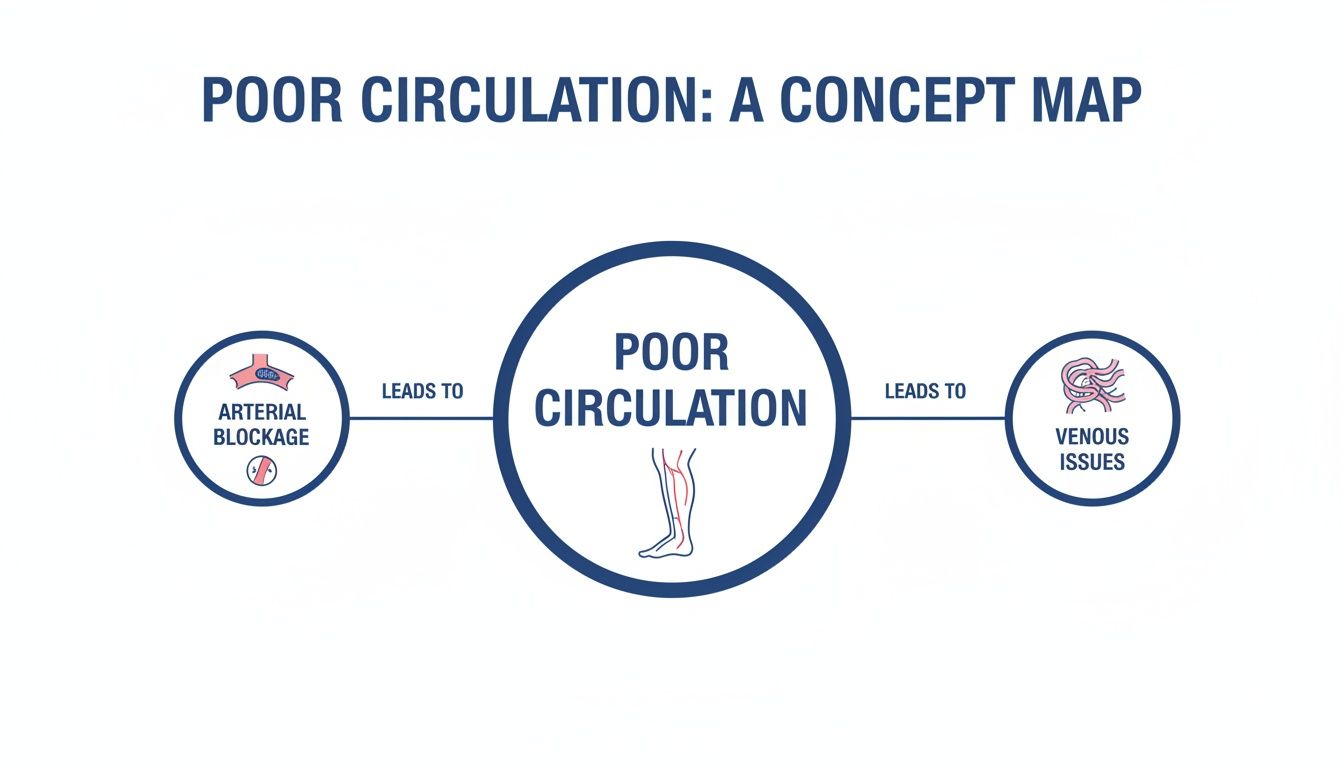
As you can see, poor circulation is the central problem, but it can stem from either arterial blockages or venous issues. Each path creates its own distinct set of challenges and symptoms, though in some individuals, both systems can be compromised simultaneously.
Sensations You Can Feel
Beyond the tell-tale pain of claudication, poor circulation makes its presence known through a few other distinct physical sensations. Paying close attention to these feelings can give you vital clues about how well your blood is flowing. These symptoms can occur in one or both legs and may be constant or intermittent.
You might experience:
- Persistent Coldness: Your feet or lower legs feel cold to the touch, even when the rest of you is perfectly warm. This is a dead giveaway that not enough warm, oxygenated blood is making it all the way down to your extremities. It is one of the most common early signs.
- Numbness and Tingling: That classic “pins and needles” feeling (paresthesia) can pop up even when you’re resting. It’s a sign that your nerves aren’t getting the steady blood supply they need to function properly and can sometimes be confused with neurological issues.
- Aching or Heaviness: If your legs just feel tired, heavy, or achy—especially at the end of the day—it could be a sign of venous insufficiency, where blood starts to pool in your lower legs instead of flowing back to the heart. This sensation often improves with leg elevation.
- Burning or Throbbing: This sensation, particularly in the feet and toes, can be another indicator of compromised blood flow, often worsening at night.
Changes You Can See
In addition to what you can feel, circulation problems often leave behind visible evidence. These visual cues are your body’s way of showing you that its internal highway system is under serious strain. It’s important to regularly inspect your legs and feet for any of these changes.
One of the most telling signs of a circulation issue is slow-healing wounds. If a minor cut, scrape, or sore on your foot or lower leg takes an unusually long time to heal, it’s a strong indicator that the area isn’t getting the blood supply needed for proper repair.
Other visible changes to watch for include:
- Skin Discoloration: You might notice your skin looking pale (pallor), bluish (cyanosis), or even a reddish-purple (rubor). This color shift reflects a lack of oxygen in the tissues. Sometimes, in cases of venous insufficiency, the skin around the ankles can take on a brownish, stained appearance due to iron deposits from blood cells leaking out of the veins.
- Varicose Veins: These are those enlarged, twisted veins that bulge near the skin’s surface, most often on the calves and thighs. They are a direct result of weakened vein valves that allow blood to pool and are a hallmark of venous insufficiency.
- Dry or Shiny Skin: The skin on your legs may become unusually shiny, thin, or start to look dry and cracked. This happens when it’s starved of the nutrients delivered by healthy blood flow, which are essential for skin cell regeneration and health.
- Hair Loss: You might notice that the hair on your legs and feet grows much slower than it used to, or you may even see patches of hair loss. This is another sign that the follicles aren’t getting enough nourishment to support normal growth.
- Brittle Toenails: Poor circulation can also affect nail health, leading to toenails that grow slowly or become brittle and thick.
How Your Daily Habits Can Sabotage Blood Flow
While specific medical conditions are a huge piece of the puzzle, the small choices we make every single day often have the most direct and powerful impact on leg circulation. Your routine can be a potent ally for your vascular health or its biggest enemy. Grasping this connection is the first step to taking back control and making lifestyle modifications that can yield significant improvements.
Think about the modern workday. For many of us, it’s defined by hours parked at a desk. When you’re stuck in one position for long stretches, your leg muscles are completely disengaged. This is a problem because these muscles act as your body’s “second heart,” contracting and squeezing the veins to push blood back up toward your chest. This is the muscular pump mechanism.
Without that muscular pump doing its job, gravity takes over. Blood starts to collect and pool in your lower legs, putting a tremendous amount of strain on the tiny, one-way valves inside your veins. Over time, this constant pressure weakens them, leading to venous insufficiency, swelling, and that familiar heavy, achy feeling in your legs. It’s not just desk jobs; long periods of standing without movement can have a similar negative effect.
The Hidden Damage of a Desk Job
A sedentary lifestyle is one of the biggest drivers of poor circulation. All that sitting allows blood to stagnate in the lower body, which weakens vein valves and sets the stage for conditions like chronic venous insufficiency (CVI). It’s a bigger issue than many realize. In the US, heart disease is responsible for 919,032 deaths each year—that’s one every 34 seconds. Lifestyle factors are a major contributor, with precursors to coronary artery disease, which also impacts leg vessels, affecting 5% of adults over 20. You can explore more data in the World Heart Report 2023.
There’s a reason sitting is called “the new smoking.” Its effect on your vascular system is subtle but relentless, slowly undermining the very mechanics that keep your blood moving the way it should.
How Diet and Smoking Wreck Arterial Health
Beyond just sitting still, what you eat has a direct line to the health of your arteries. A diet loaded with saturated fats, trans fats, and cholesterol is essentially providing the raw materials for plaque construction. These unhealthy fats contribute directly to atherosclerosis, narrowing your arteries and choking off blood flow. High sodium intake can also contribute to high blood pressure, a major risk factor for arterial damage. Conversely, a diet rich in fruits, vegetables, whole grains, and lean proteins can help protect your arteries.
Smoking, on the other hand, is like launching a direct chemical assault on your blood vessels. The toxins in cigarette smoke attack the endothelium—the smooth, delicate inner lining of your arteries. It’s a multi-pronged attack on your circulatory health.
This damage creates a rough, sticky surface where plaque can easily grab hold and build up, dramatically speeding up the narrowing process. To make matters worse, nicotine also causes your blood vessels to constrict, or tighten, which temporarily cuts down blood flow and spikes your blood pressure with every single cigarette. Smoking also increases the “stickiness” of platelets in the blood, making clots more likely to form.
These habits combine to create a perfect storm for poor circulation:
- A poor diet supplies the building blocks for arterial blockages.
- Smoking damages the arterial walls, leaving them vulnerable to plaque.
- A sedentary lifestyle cripples the venous system’s ability to return blood to the heart.
The good news? These factors are entirely within your control. This isn’t about placing blame; it’s about empowerment. Recognizing how these specific, manageable daily habits disrupt your blood flow is the first step toward making simple changes that can have a massive, positive impact on your leg circulation and your overall health.
While our daily habits are a big piece of the puzzle, poor leg circulation often has deeper roots in specific medical conditions. These issues can act like quiet saboteurs, methodically disrupting the vast network of arteries and veins that keep your legs healthy and energized.
Getting to know these underlying causes is the first and most critical step. After all, you can’t fix a problem until you understand what’s really going on beneath the surface.
The Arterial Side: Peripheral Artery Disease
Imagine your arteries are like smooth, flexible garden hoses, delivering life-giving water to your plants. Peripheral Artery Disease (PAD) is what happens when those hoses get clogged and hardened by a buildup of plaque, a process known as atherosclerosis. This plaque is a combination of cholesterol, fat, calcium, and fibrous tissue.
This narrowing makes it incredibly difficult for oxygen-rich blood to travel from your heart down to your legs and feet. The result? You might feel that classic cramping pain in your calves or thighs when you walk, a tell-tale sign that your muscles aren’t getting the fuel they need. This symptom, known as claudication, is a hallmark of PAD.
PAD is a sneaky, slow-moving condition that often flies under the radar until the blockages become serious. The two main accelerators behind this plaque buildup are high blood pressure and high cholesterol.
- High Blood Pressure (Hypertension): Think of this as turning the water pressure up too high in that garden hose. Over time, that constant force creates tiny injuries along the artery walls. These damaged spots are the perfect place for cholesterol to latch on and start forming plaque, initiating the atherosclerotic process.
- High Cholesterol: The “bad” cholesterol (LDL) in your blood is the primary ingredient for that artery-clogging plaque. As it accumulates, it hardens and narrows the arteries, creating major traffic jams for your blood flow. High levels of triglycerides, another type of fat in the blood, also contribute to this risk.
The Venous Side: Chronic Venous Insufficiency
Now, let’s look at the return trip. Your veins have the tough job of carrying blood back up to the heart, fighting gravity every step of the way. Chronic Venous Insufficiency (CVI) happens when the tiny, one-way valves inside your leg veins start to fail. These valves are supposed to act like gates, preventing backflow.
Instead of snapping shut to prevent blood from flowing backward, these weakened valves let it leak down and pool in your lower legs. It’s less of a clog and more of a mechanical breakdown in the system. This can be caused by genetics, age, obesity, pregnancy, or a history of blood clots (DVT).
This pooling cranks up the pressure inside your veins, leading to symptoms like swelling, a constant heavy or aching feeling, and the visible twisting of varicose veins. This backup doesn’t just affect the veins; it can also overload another vital network—your lymphatic system. For a deeper dive into this relationship, you can learn more about the role of lymphatic drainage in holistic wellness.
CVI is much more than a cosmetic concern about varicose veins. It’s a progressive medical issue signaling a fundamental failure in your circulatory system’s return flight, which can lead to chronic discomfort and even skin problems if left unmanaged.
The System-Wide Impact of Diabetes
Diabetes is a whole-body issue, and it’s particularly tough on your circulation. It damages both the large and small blood vessels from head to toe. Persistently high blood sugar is like poison to the delicate lining of your blood vessels, making them stiff, brittle, and much more likely to narrow. This creates a hostile environment for your entire vascular system.
This widespread damage, called diabetic vasculopathy, puts the process of atherosclerosis into overdrive in your arteries. It also harms the microscopic capillaries responsible for delivering oxygen directly to your skin and tissues, a condition known as microangiopathy. Furthermore, diabetes can lead to nerve damage (neuropathy), reducing sensation in the feet and making injuries more likely to go unnoticed.
This is exactly why individuals with diabetes have a much higher risk for PAD and are more susceptible to foot sores that just won’t heal. The compromised blood flow simply can’t deliver the oxygen and nutrients needed for the body to repair itself. Tackling these root medical causes head-on is a non-negotiable step toward restoring and protecting your leg circulation for the long haul.
Actionable Steps To Improve Your Leg Circulation
Knowing what’s causing your poor leg circulation is the first step, but taking action is what truly brings relief. It’s time to shift your focus from the problem to the solution—this is how you empower yourself and regain control over your vascular health. Small, consistent changes can lead to profound improvements in how your legs feel and function.
Think of this as your personal playbook for enhancing blood flow, filled with practical, accessible strategies you can start using today.
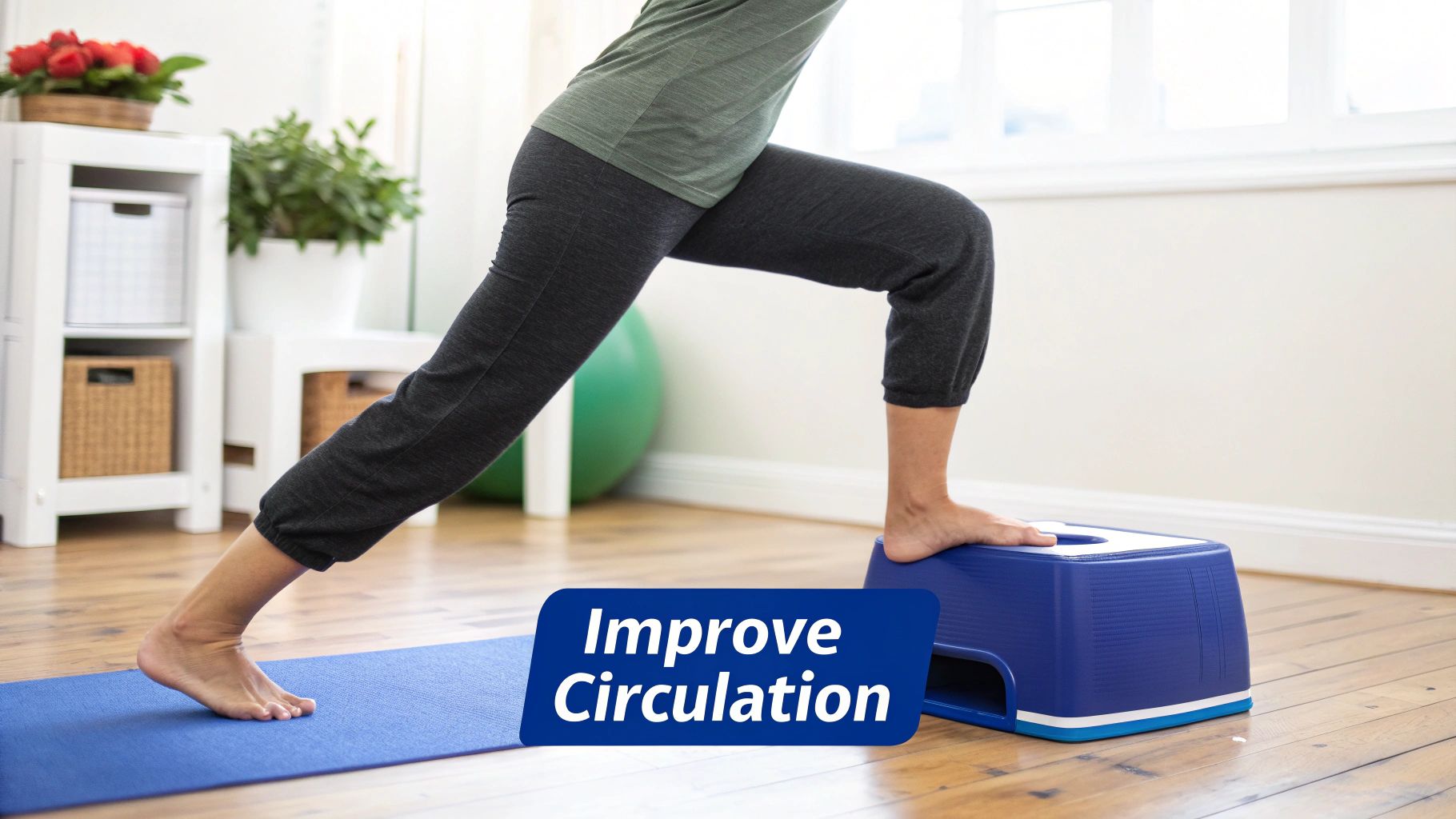
The journey to better circulation begins with simple, foundational habits. Weaving gentle movements and targeted exercises into your daily routine is the most direct way to support your body’s incredible circulatory system. Always consult with your doctor before beginning a new exercise regimen, especially if you have an underlying health condition.
Build A Foundation With Movement
Your leg muscles are often called your “second heart,” and for good reason. Every time they contract, they squeeze the veins, physically pushing blood back up toward your heart against the constant pull of gravity. The goal is to activate this powerful natural pump as often as possible throughout the day.
You don’t need grueling gym sessions to see a real difference. It all starts with small, consistent actions:
- Regular Walking: Aim for a brisk walk for at least 30 minutes on most days of the week. This is one of the single most effective exercises for firing up blood flow throughout your entire lower body. It helps build collateral circulation, where new, smaller blood vessels form to bypass blockages.
- Calf Raises: Whether you’re waiting for the coffee to brew or watching TV, just rise up onto your toes, hold for a second, and lower back down. This directly engages your calf muscles—a critical part of that venous pump. Do 10-15 repetitions several times a day.
- Ankle Pumps: While sitting at your desk or on the couch, simply point your toes away from you (plantar flexion) and then flex them back toward your shins (dorsiflexion). Repeating this simple cycle 10-15 times every hour keeps blood from pooling around your ankles.
- Stretching: Gentle stretching, particularly for the hamstrings and calves, can improve flexibility and blood flow. Yoga and Tai Chi are excellent low-impact options.
These easy movements prevent the stagnation that contributes to venous insufficiency and help deliver a fresh supply of oxygenated blood to your tissues.
Elevate Your Legs And Your Results
Another incredibly simple yet powerful habit is leg elevation. Propping your legs up above the level of your heart for just 15-20 minutes a couple of times a day gives your veins a much-needed break from fighting gravity. This is particularly effective for people who experience swelling and achiness from venous insufficiency.
This simple shift in position makes it easier for deoxygenated blood to drain from your lower body, which can dramatically reduce swelling and soothe that heavy, aching feeling. It’s a completely passive way to support your circulation, especially after a long day on your feet or sitting at a desk. You can do this by lying on the floor with your legs up a wall or by propping them on a stack of pillows in bed.
Combining active movement with passive recovery creates a beautifully balanced approach. Exercise is the engine for your circulation, while elevation provides the essential maintenance needed to keep the whole system running smoothly.
Accelerate Recovery With Wellness Technology
Beyond daily habits, modern wellness technologies offer a way to actively enhance your circulation with minimal effort. One of the most effective methods is intermittent vacuum therapy (IVT), which essentially provides a “passive workout” for your blood vessels. This innovative approach uses controlled pressure changes to stimulate blood flow.
This technology, found in systems like the Vacustyler, creates gentle, rhythmic cycles of negative pressure (a vacuum) around your lower body. The process softly pulls blood into the tiniest capillaries and then releases, creating a powerful stimulating effect. You can learn more about how IVT improves circulation in our detailed guides.
This passive stimulation helps to:
- Boost Arterial Blood Flow: It encourages fresh, oxygen-rich blood to reach deep into the tissues in your legs and feet, which can be particularly beneficial for those with arterial issues.
- Enhance Venous Return: The cycling pressure helps push deoxygenated blood and metabolic waste back toward the heart for processing, alleviating symptoms of venous insufficiency.
- Support Lymphatic Drainage: It also stimulates the lymphatic system, which is crucial for reducing swelling and fluid retention, often a side effect of poor venous function.
For athletes, this translates to faster recovery and less muscle soreness. For anyone dealing with heavy, tired, or swollen legs, it offers real, tangible relief and a feeling of lightness, making it a powerful addition to any circulation-boosting plan.
Answering Your Questions About Leg Circulation
Trying to understand the complexities of poor leg circulation naturally brings up a lot of questions. This final section tackles the most common ones with clear, straightforward answers to help you feel confident about your next steps toward better vascular health.
Can Poor Leg Circulation Be Reversed?
While structural damage from advanced conditions like PAD might not be completely reversible, you can absolutely make significant, noticeable improvements. Your most powerful allies are lifestyle changes—things like consistent exercise, a balanced diet, and quitting smoking can dramatically ease symptoms and slow down disease progression. In many cases, these changes can halt the worsening of the condition and significantly improve quality of life.
Proactive therapies also play a huge role. Technologies like intermittent vacuum therapy are designed to effectively boost blood flow and reduce that heavy, uncomfortable feeling, helping you actively manage your vascular health and get back that sense of lightness in your legs. Medical treatments, prescribed by a doctor, can also manage underlying conditions like high blood pressure and cholesterol.
How Do I Know If My Leg Pain Is From Poor Circulation?
Circulation-related pain, often called claudication, has a very distinct personality. It typically feels like a deep, predictable cramp that shows up when you’re active, like walking, and then goes away completely after just a few minutes of rest. The pain consistently occurs at the same distance or level of exertion.
This is very different from general muscle soreness that can pop up anytime, or nerve pain that’s often sharp and burning. Circulation pain also tends to come with other clues, like cold feet, numbness, or even slight changes in skin color. If you have persistent leg pain, the only way to know for sure is to get an accurate diagnosis from a healthcare provider, which may involve simple tests like an Ankle-Brachial Index (ABI).
Here’s the key takeaway: Pain that starts with movement and stops with rest is a classic sign your muscles aren’t getting the oxygen they need. Don’t ignore that pattern—it’s a direct message from your circulatory system.
Are Compression Socks A Good Solution?
Yes, absolutely. Compression socks are an excellent tool for managing the symptoms of venous insufficiency. By providing steady, gentle pressure, they help your veins push blood back up toward the heart, which is incredibly effective for reducing swelling and aching. They work by providing external support to the leg muscles and vein walls.
Think of them as providing constant, passive support throughout your day. For a more dynamic approach that actively stimulates your entire circulatory system, technologies like intermittent vacuum therapy can offer a more profound and immediate sense of relief and recovery, beautifully complementing the daily benefits of compression wear. It’s important to get properly fitted for compression socks to ensure they provide the right amount of pressure.
When Should I See A Doctor About My Symptoms?
You should book a visit with your doctor anytime you have persistent symptoms that get in the way of your daily life. A few red flags to watch for are leg pain that consistently happens when you walk, recurring numbness or tingling, sores on your feet that just won’t heal, or any noticeable changes in your skin color. Pain at rest is a particularly concerning symptom that requires immediate medical attention.
These can be signs of a more serious underlying condition like Peripheral Artery Disease (PAD). Early diagnosis is the key to preventing complications, so it’s always better to seek professional medical advice if you have any concerns at all about what causes poor leg circulation. A doctor can perform a physical exam and recommend further testing to identify the root cause and create a tailored treatment plan.
At Weyergans HighCare US, we provide advanced, German-engineered wellness technology to help you enhance recovery and circulation. The Vacustyler system offers a science-driven approach to feeling lighter, recovering faster, and improving your overall leg health. Discover how our non-invasive solutions can support your wellness journey at Weyergans HighCare US.