


Improving blood circulation in your legs isn't about a single magic bullet. It's a thoughtful mix of consistent movement, targeted therapies, and smart lifestyle adjustments. Simple actions like getting in a daily walk, staying hydrated, and elevating your legs can make a huge difference in blood flow, while professional options and modern wellness tech offer more advanced support when you need it.
What Poor Leg Circulation Means for Your Health
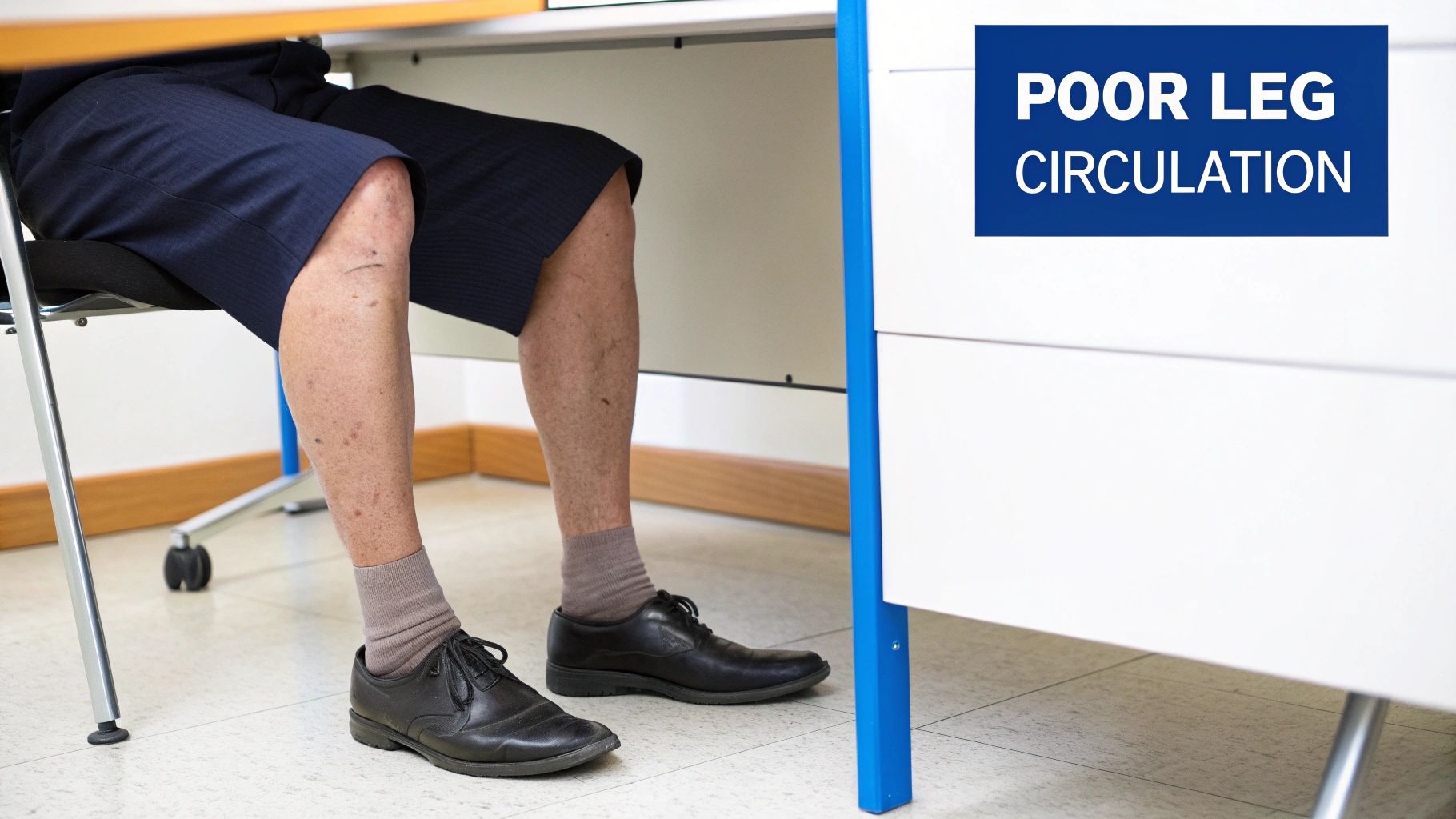
When you feel that familiar heaviness, a persistent chill in your feet, or frustrating ankle swelling after a long day, it's more than a minor annoyance. Those are direct signals from your body that your circulatory system is struggling to move blood efficiently through your lower limbs.
Think of your circulatory system as a massive highway delivering oxygen and nutrients to every cell. Poor circulation is a major traffic jam on that highway, slowing down deliveries and causing backups.
Gravity makes it easy for blood to flow down to your legs, but getting it all the way back up to the heart is the real challenge. Your veins count on the muscles around them to contract and push the blood upward. When you sit or stand for hours on end, these crucial muscle pumps go dormant. This is when blood starts to move sluggishly and pool in your lower legs, and it's the core reason a sedentary lifestyle is a top contributor to poor leg circulation.
Recognizing the Signs and Symptoms
The symptoms of impaired blood flow can be subtle at first, often creeping up over time. But catching these early warnings is the key to taking proactive steps. The main red flags include:
- Cold Hands and Feet: A constant feeling of coldness, even when you're in a warm room, suggests blood isn't reaching your extremities like it should. This is because the body prioritizes sending blood to vital organs, and the hands and feet are the first to be restricted.
- Swelling (Edema): When circulation is sluggish, fluid can leak from blood vessels into nearby tissues, causing fluid retention, especially in the ankles and feet. This is often worse at the end of the day after prolonged standing or sitting.
- Numbness or Tingling: That classic "pins and needles" sensation is often a sign of restricted blood flow and nerve compression. It can feel like a limb has "fallen asleep."
- Muscle Cramps and Pain: If your calves ache or cramp, particularly during activity (a condition known as claudication), it can mean your muscles aren't getting enough oxygen-rich blood to meet their demands.
- Skin Changes: Over time, poor circulation can lead to changes in skin color (pale, blue, or reddish hues), dry or thinning skin, and slow-healing sores or ulcers on the legs and feet.
- Varicose Veins: These bulging, twisted veins are a visible sign that the one-way valves inside them are weakened or damaged, allowing blood to pool and stretch the vein walls.
"Your leg veins carry blood back to your heart, working against gravity… Instead, your veins depend on leg muscles to do the work of pushing blood up your legs. Every time your leg muscles contract, they apply gentle force that keeps blood circulating."
Why It Matters Beyond Just Comfort
Fixing poor circulation is about so much more than just feeling better. Efficient blood flow is the bedrock of your overall health, athletic performance, and even how you look and feel. When your circulation is humming along, your body heals wounds faster, your mind stays sharper, and your immune system is stronger. For athletes, it's the ticket to quicker recovery and less muscle soreness. Conversely, chronic poor circulation can increase the risk of serious conditions like blood clots (Deep Vein Thrombosis), nerve damage, and tissue damage.
This isn't just a niche issue; it's a global focus. Poor blood circulation in the legs affects millions of people worldwide, which is why we're seeing huge growth in therapies like vacuum and compression systems. The air compression leg massager market alone shot up from $1.85 billion in 2024 to an estimated $2.05 billion in 2025. This trend directly mirrors the rise of related chronic issues, showing a clear and growing demand for real solutions.
Getting a handle on these fundamentals is the first step. You can dive deeper into the science and explore different methods in our other articles on circulation.
Building Your Foundation for Healthy Blood Flow
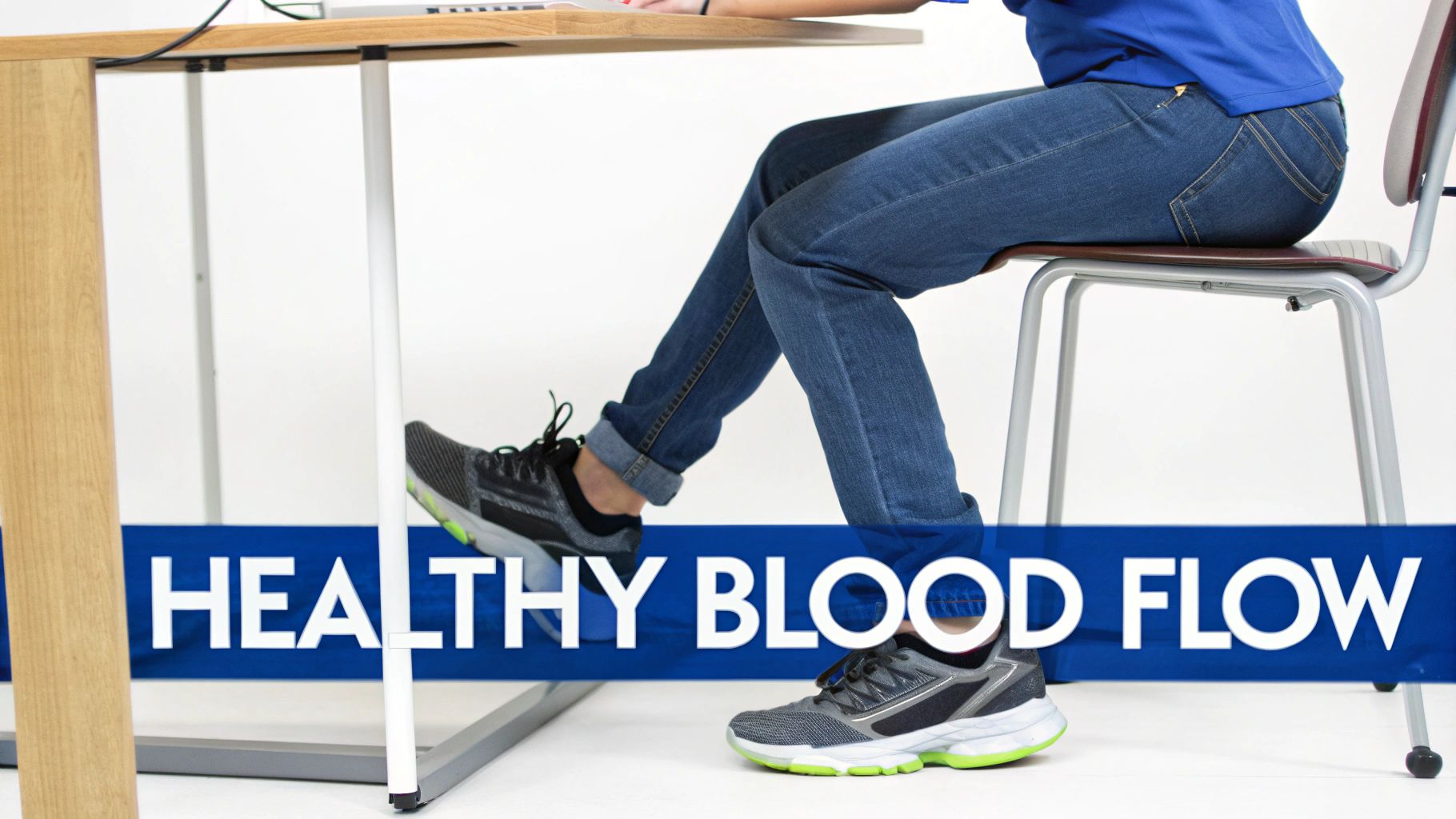
Real, lasting improvement in your leg circulation isn't about some massive life overhaul. It's built on a series of small, consistent habits that eventually become second nature.
These foundational strategies are your first and most powerful line of defense against sluggish blood flow. The best part? They are completely accessible and you can start them today.
We're going to focus on practical, no-cost methods that activate your body's own circulatory power. From simple movements you can do at your desk to smart food choices, these are the fundamental ways to improve blood circulation in legs that set the stage for long-term vascular health.
Activate Your Second Heart Through Movement
Your calf muscles are often called your "second heart," and for good reason. Every time you flex them, they squeeze the veins, powerfully pushing blood back up toward your heart against the pull of gravity.
But when you're stuck at a desk or on the couch, this critical muscle pump is switched off. Blood starts to stagnate.
The fix is simple: consciously reactivate it throughout the day. You don’t need a full workout; these micro-movements are surprisingly effective.
- Ankle Pumps: While sitting, just point your toes down to the floor, then pull them back up toward your shins. That simple flexion directly engages the calf. Aim for 10-15 reps every hour.
- Ankle Circles: Lift one foot just off the ground and slowly roll your ankle 10 times clockwise, then switch directions. This mobilizes the joint and gets things moving.
- Heel and Toe Lifts: With your feet flat on the floor, alternate lifting your heels high (toes stay down) and then lifting your toes high (heels stay down). This gentle rocking motion is perfect for waking up those lower leg muscles.
- Walking and General Activity: Beyond targeted exercises, simply moving more is crucial. Take short walking breaks every hour, choose the stairs over the elevator, or go for a brisk 30-minute walk daily. Activities like swimming, cycling, and yoga are also excellent for promoting overall circulation without putting stress on your joints.
These little exercises might seem minor, but done consistently, they make a huge difference in preventing blood from pooling and easing that heavy, tired feeling in your legs.
Use Gravity to Your Advantage
One of the simplest and most effective things you can do is to periodically reverse gravity's effect on your lower body. Elevating your legs above the level of your heart helps drain the stagnant blood and excess fluid that has built up.
No special equipment is needed. Just lie on your back and prop your legs up against a wall or on a stack of pillows. Holding this for just 15 to 20 minutes a couple of times a day can dramatically reduce swelling and relieve pressure on your veins. It’s the perfect way to unwind after a long day on your feet or a tough workout.
Pro Tip: Weave leg elevation into your evening routine. Do it while you read a book, listen to a podcast, or meditate before bed. It not only boosts circulation but also helps calm your nervous system, setting you up for better sleep.
Fuel Your Flow with Smart Nutrition and Hydration
What you put into your body has a direct impact on your entire circulatory system. Your blood vessels need the right nutrients to stay strong and flexible, and your blood needs the right consistency to flow freely.
Hydration is non-negotiable. Your blood is about half water; when you're dehydrated, your blood volume drops and it literally gets thicker. This forces your heart to work much harder and leads to sluggish circulation. Aiming for 8-10 glasses of water a day is a solid goal to keep everything moving smoothly.
Beyond water, certain foods contain compounds that actively support your vascular health.
- Flavonoids: These powerful antioxidants help strengthen blood vessel walls and reduce inflammation. You can find them in berries, citrus fruits, dark leafy greens like spinach, and even dark chocolate.
- Omega-3 Fatty Acids: Famous for supporting heart health, the omega-3s in fatty fish like salmon and tuna are fantastic for improving blood flow by reducing inflammation and preventing blood platelets from clumping together.
- Nitrate-Rich Foods: Beets and leafy greens are loaded with nitrates, which your body converts into nitric oxide. This molecule is a superstar for circulation because it helps relax and widen your blood vessels, making it easier for blood to pass through.
- Spicy Foods: Ingredients like cayenne pepper contain capsaicin, a compound that can stimulate blood flow and help strengthen arteries and capillaries.
To make these habits stick, it helps to have a simple plan. Use this checklist as a daily reminder to keep your circulation a top priority.
Your Daily Circulation-Boosting Checklist
| Habit | Frequency and Duration | Why It Works |
|---|---|---|
| Desk Exercises | 10-15 reps of ankle pumps, circles, or lifts every hour. | Activates the calf muscle pump (your "second heart") to push blood upward against gravity. |
| Leg Elevation | 1-2 times a day for 15-20 minutes each session. | Uses gravity to help drain stagnant blood and excess fluid, reducing swelling and pressure. |
| Hydration | Sip water throughout the day, aiming for 8-10 glasses total. | Keeps blood volume optimal and prevents it from thickening, making it easier for the heart to pump. |
| Circulation-Friendly Foods | Incorporate 1-2 servings of berries, leafy greens, or fatty fish daily. | Provides essential nutrients like flavonoids and omega-3s that strengthen vessels and reduce inflammation. |
Integrating these simple, foundational habits into your daily life creates a powerful base for healthy circulation. Think of them as the essential building blocks upon which all other therapies and treatments can be layered for even greater results.
Therapeutic Techniques to Actively Boost Circulation
While daily habits build a strong foundation for good circulation, sometimes you need a more direct approach. Targeted therapeutic techniques can offer more immediate and focused relief.
Think of these as active interventions. These are the hands-on methods that wellness enthusiasts and pro athletes use to physically encourage blood and lymphatic fluid to move, providing a powerful boost right when you need it most.
The Power of Self-Massage
One of the most intuitive ways to get blood moving in your legs is through simple manual therapy. Self-massage is a surprisingly effective tool for physically pushing stagnant fluid out of your lower limbs and inviting fresh, oxygenated blood to flow back in.
The key is to always work with your body's circulatory pathways, which means stroking toward the heart.
- Effleurage (Gliding Strokes): Start at your ankle with gentle but firm pressure. Using your palms, glide up your calf toward the knee in a long, sweeping motion. This helps push deoxygenated blood up through the veins. Do this about 5-10 times on each leg.
- Petrissage (Kneading): Now, gently knead your calf muscles with your thumbs and fingers. This compresses and releases the muscle tissue, acting like a manual pump to flush out metabolic waste and improve local blood flow.
- Foam Rolling: For a deeper massage, a foam roller can be highly effective. Sit on the floor with the roller under your calves and use your arms to lift your hips. Slowly roll back and forth from your ankles to just below your knees. This helps break up muscle adhesions and significantly boosts blood flow.
Pay attention to how your legs feel. If you hit a tender spot, just work around it gently—the goal here is stimulation, not pain. A few minutes of this each evening can make a huge difference in that heavy, achy feeling. It’s also a great way to support your lymphatic system, a parallel network that clears waste and reduces swelling. You can dive deeper into that in our complete guide on the role of lymphatic drainage in holistic wellness.
Unlocking the Benefits of Compression Therapy
There's a reason compression therapy has become a cornerstone of both medical treatment and athletic recovery: it just works. Compression garments, like socks or sleeves, apply graduated external pressure to your legs.
This pressure is tightest at the ankle and eases up as it moves toward your knee. It’s a clever design that gives your veins the support they need to stop blood from pooling in your lower legs.
Imagine your veins are soft hoses. When blood flow is slow, they can stretch out and become less efficient. Compression acts like a supportive sleeve, gently squeezing the veins to narrow their diameter. This simple action speeds up blood flow, pushing it more effectively back toward the heart. It's an easy, passive way to boost your body's natural "second heart" pump. Compression is widely used not only for daily comfort but also for preventing blood clots during long flights and aiding post-surgical recovery.
By providing external support, compression therapy helps counteract the effects of gravity, making it an essential tool for anyone who spends long hours sitting or standing. It is a simple, science-backed method for maintaining healthy venous pressure.
Harnessing Heat and Cold for Vascular Fitness
Using hot and cold temperatures is another fantastic way to invigorate your circulatory system. These methods work by prompting your blood vessels to dilate (widen) and constrict (narrow), creating a natural pumping action that really gets your blood moving.
Warmth for Relaxation and Dilation
A warm bath or a hot pack on your calves does more than just relax tired muscles. The heat encourages your blood vessels to open up, a process known as vasodilation. Wider vessels mean more blood can flow through, delivering a fresh supply of oxygen and nutrients to your tissues. It’s perfect for easing muscle stiffness before bed. Adding Epsom salts to a warm bath can further enhance relaxation and may help reduce minor swelling.
Contrast Showers for a Circulatory Workout
For a more active vascular workout, give contrast therapy a try. This just means alternating between hot and cold water in the shower.
Here's a simple routine to get you started:
- Spend 2-3 minutes under comfortably warm water, letting your blood vessels dilate.
- Switch to cold water for about 30-60 seconds. The shock of the cold causes your vessels to constrict rapidly.
- Repeat this cycle 3-5 times, and always make sure to end on a cold blast.
This rapid switching between wide and narrow forces your circulatory system to work, creating a powerful pumping effect that flushes blood through your entire body. It’s an incredibly invigorating way to start your day and a proven technique for reducing muscle soreness.
Exploring Advanced Recovery Technology
Beyond the daily habits and hands-on therapies we've covered, a fascinating class of technology offers a more targeted, science-backed approach to improving leg circulation. These modern tools move past active participation and provide a passive, yet powerful, boost to your vascular system.
This is where things get interesting, especially for professional wellness and recovery settings. We’re talking about tools designed for a significant impact, from familiar compression systems to game-changing negative pressure therapies.
The Evolution of Compression Technology
For years, the go-to technology for circulation has been pneumatic compression—you’ve probably seen them as "recovery boots." These devices use inflatable chambers that rhythmically fill with air, starting at the foot and squeezing their way up the leg. This action essentially mimics the body's natural muscle pump, physically pushing stagnant fluid and deoxygenated blood back toward the heart.
This tech has certainly proven its worth, particularly in athletic recovery and for managing clinical conditions like lymphedema. It's a solid way to reduce swelling and muscle soreness by helping the body clear out metabolic waste.
And the demand for these kinds of solutions is booming. The broader compression therapy market is projected to skyrocket from $3.2 billion in 2021 to $5.4 billion by 2031. This growth is fueled by a real need for effective, non-invasive options for everything from post-operative care to general wellness. This momentum is exactly what’s pushing the development of even more sophisticated technologies that work in a fundamentally different way.
A New Approach: Intermittent Negative Pressure Therapy
While compression pushes in, another technology works by gently pulling out. This is the core principle behind Intermittent Negative Pressure Therapy (IVT), the science that powers systems like the Vacustyler. Instead of squeezing the legs, this method encloses the lower body in a chamber and cycles between phases of gentle vacuum (negative pressure) and normal atmospheric pressure.
Think of it as a passive "workout" for your entire vascular network.
- During the negative pressure phase: The gentle vacuum expands your capillaries and arteries, pulling fresh, oxygen-rich blood deep into the tissues of your lower body. It essentially creates a suction effect that draws blood flow into the legs.
- During the normal pressure phase: This rush of blood is then efficiently pushed back up through the veins and lymphatic vessels, flushing out waste products along the way. The return to normal pressure helps propel the newly oxygenated blood and lymphatic fluid back towards the core.
This rhythmic expansion and contraction essentially train your blood vessels, helping improve their elasticity and overall function—all without any physical effort on your part. It’s a unique way to stimulate both the circulatory and lymphatic systems at the same time, offering a more comprehensive approach than compression alone.
By creating this pressure difference, Intermittent Negative Pressure Therapy doesn't just shuffle existing fluid around. It actively draws new, nutrient-rich blood into tissues that might be underserved, promoting deeper and more meaningful physiological benefits.
If you’re curious about the nitty-gritty, we break down the science of IVT and how negative pressure supports circulation in our detailed guide. It truly represents a significant step forward, offering a more dynamic boost to circulation.
The best therapeutic method often comes down to your specific goals, whether you're looking for daily maintenance or a professional-level intervention.
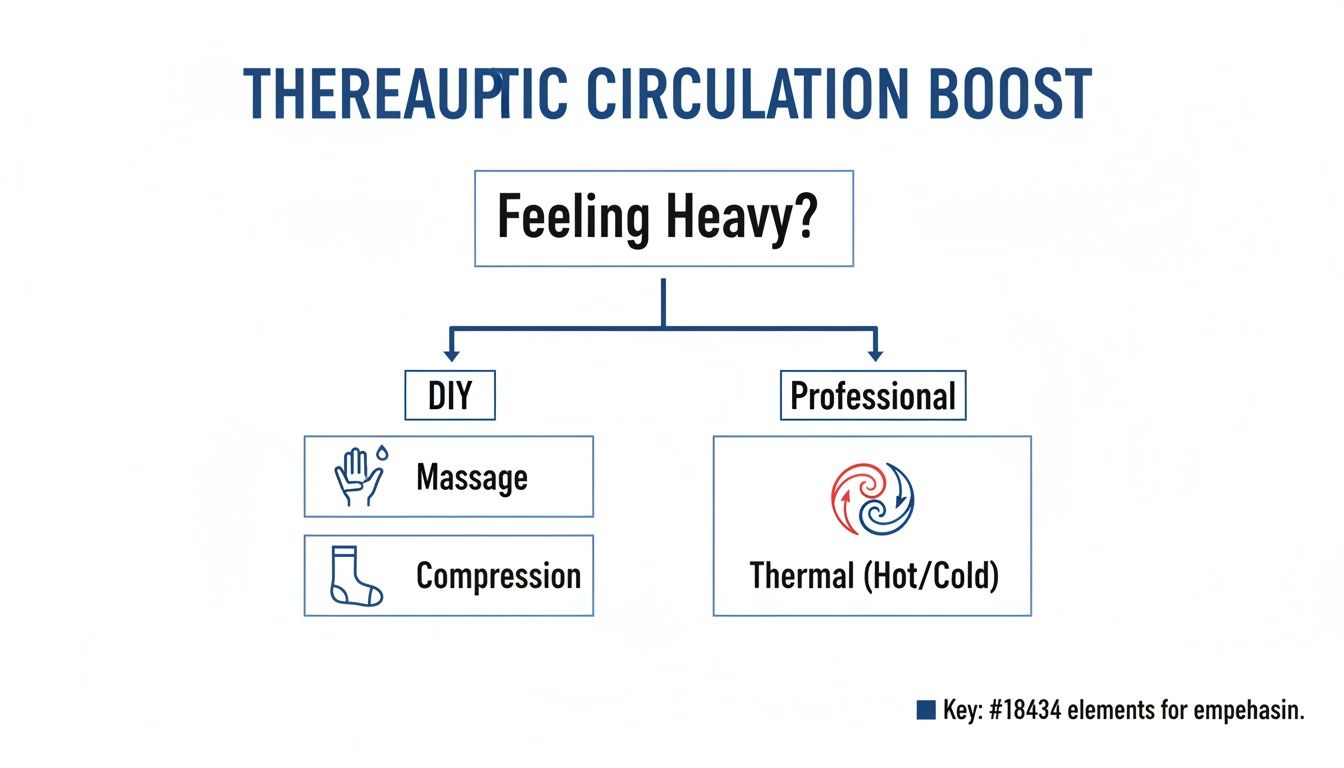
As this chart shows, your options range from simple at-home methods to more advanced professional treatments, each tackling circulation from a unique angle.
Why Negative Pressure Stands Out in Professional Settings
For medspas, athletic departments, and high-end wellness centers, the advantages of IVT go far beyond just its physiological effects. The Vacustyler, for instance, offers a huge operational benefit: sessions are non-invasive, deeply relaxing, and almost entirely unattended.
A client can lie down comfortably for a 20-30 minute session and often feel an immediate sense of lightness and relief in their legs. This makes it a perfect standalone service or an incredible add-on to other treatments like IV therapy, body contouring, or post-workout recovery.
Unlike therapies that require active effort or a practitioner's time, IVT delivers a passive yet profound experience. It provides consistent, measurable results without putting any strain on the body, making it a great fit for a huge range of clients—from elite athletes wanting to accelerate recovery to desk workers seeking relief from a sedentary day.
This blend of noticeable effects, operational ease, and a high-value client experience is precisely why advanced technologies like IVT are becoming must-have tools for facilities serious about recovery and wellness. They offer a smarter, more effective way to address one of the most foundational aspects of our health: great blood flow.
Putting It All Together: Your Personal Circulation Plan
Knowing the different ways to improve blood circulation is a great start, but the real magic happens when you weave those methods into a practical, personal strategy. A successful plan isn't about trying to do everything at once. It's about stacking the right combination of habits and therapies that fit your specific lifestyle, goals, and needs.
Think of it as creating a cohesive roadmap that works for you—whether you're a competitive athlete, a busy professional stuck at a desk, or someone focused on wellness and aesthetics. By combining different approaches, you create a synergistic effect that delivers far better results than any single method ever could on its own.
Designing a Strategy That Fits Your Life
Your daily routine is the biggest factor in figuring out which circulation-boosting techniques will actually stick. A one-size-fits-all approach rarely works because the demands on our bodies vary so widely from person to person.
Let's look at a few real-world scenarios to see how this plays out.
- For the Dedicated Athlete: An athlete’s world revolves around performance and rapid recovery. Their plan might involve a morning mobility routine to get things flowing, followed by a post-workout session using advanced technology like intermittent negative pressure to accelerate the flushing of metabolic waste. They'd almost certainly use compression socks during travel to prevent swelling and stay ready to perform.
- For the Office Professional: Spending eight hours at a desk creates a constant battle against stagnation. The focus here is on counteracting that sedentary reality. This plan would include hourly desk exercises like ankle pumps, a brisk walk during the lunch break, and an evening routine of elevating the legs while reading or watching TV to reverse the day's fluid buildup. Simple, but effective.
- For the Wellness Enthusiast: This person is often focused on both health and aesthetic benefits. Their strategy could pair regular self-massage and dry brushing to stimulate surface-level blood flow with professional treatments like the Vacustyler to enhance skin tone and reduce the appearance of cellulite. It’s a true inside-out approach.
The key is to pinpoint your biggest circulation challenges and build a routine that directly tackles them.
Integrating Technology for a Bigger Impact
Modern wellness tools can be a powerful force multiplier in your circulation plan. It's not just a niche trend; the consumer interest in these solutions is exploding. The global market for foot and leg massagers hit an impressive $5.82 billion in 2024 and is projected to climb to $9.59 billion by 2032.
This boom is driven by a clear public need for effective, at-home solutions for common issues like leg strain and poor flow. You can read more about these market trends for circulation devices yourself. For professional settings, this means integrating technology like the Vacustyler offers a significant advantage. It doesn’t replace foundational habits—it enhances them.
An athlete gets more out of their training. A desk worker finds faster relief from a sedentary day. A spa client sees better aesthetic results. It all happens when foundational habits are paired with targeted, professional-grade technology.
A Quick Word on Safety
While most methods for improving leg circulation are safe for the general population, it's crucial to approach any new routine with awareness. Your personal health status should always be your guide.
Before you jump into an intensive program or start using advanced circulation technology, take a moment to consider these points:
- Pre-Existing Conditions: If you have known medical issues like Deep Vein Thrombosis (DVT), severe heart conditions, peripheral artery disease (PAD), or diabetes, you must consult with your healthcare provider before trying new therapies. Some treatments, like heat or intense compression, might not be right for you.
- Listen to Your Body: This is non-negotiable. Pay close attention to how you feel. If you experience any unusual pain, sharp tingling, dizziness, or increased swelling, stop what you are doing immediately and get professional advice. The goal is to feel better, not to push through pain.
- When in Doubt, Ask an Expert: A vascular specialist or a qualified physical therapist can provide a proper diagnosis and recommend the safest and most effective ways to improve blood circulation in legs tailored specifically to you.
Your journey to better circulation should be empowering and safe. Creating a personalized plan, grounded in your unique needs and guided by professional advice when necessary, is the surest path to achieving lasting relief and renewed vitality.
Common Questions About Improving Leg Circulation
Even with a great game plan, it's totally normal to have a few questions about what to expect on your path to better circulation. Getting a handle on the timeline, what's possible, and where the safety lines are drawn is key to moving forward with real confidence.
Think of this as a quick-reference guide to the questions we hear most often. The goal is to give you clear, straightforward answers so you know exactly what to expect.
How Quickly Can I Improve My Leg Circulation?
The timeline for feeling a difference really hinges on the methods you choose and where your body is starting from. You're not going to reverse years of sluggish flow in a single day, but you can feel improvements much faster than you might think.
With simple lifestyle tweaks, like consistent daily walks and staying hydrated, many people notice less fatigue and heaviness in their legs within just a week or two. The relief from a good pair of compression socks is often immediate, especially if you spend long hours on your feet.
For more advanced technologies like intermittent negative pressure therapy, the effect can be even more dramatic. It's not uncommon for people to report a distinct feeling of lightness and relief after just one 20-30 minute session. Real, lasting vascular health, though, is built with consistency over several months as your body adapts and strengthens.
Can Poor Leg Circulation Be Cured Permanently?
That's a fantastic question, and the answer isn't a simple yes or no. If your circulation issues are mostly tied to lifestyle factors—like being stuck at a desk all day or not moving enough—then making consistent, positive changes can often restore healthy blood flow and, in effect, "cure" the problem. You're essentially removing the original cause by building better habits.
However, if poor circulation is a symptom of an underlying chronic condition like Peripheral Artery Disease (PAD), diabetes, or venous insufficiency, the focus shifts from a "cure" to smart, effective management. In these situations, the goal is to control symptoms, stop the condition from getting worse, and maintain an excellent quality of life. The methods we've talked about are still incredibly powerful tools for this, but they become part of an ongoing wellness strategy rather than a one-time fix.
A proper diagnosis from a healthcare professional is non-negotiable. It's the only way to know for sure if you're dealing with a lifestyle issue or a more complex medical condition that needs a specific management plan.
Are Circulation Boosting Devices Safe for Everyone?
While generally very safe, most advanced circulation-boosting devices aren't a one-size-fits-all solution. It's crucial to understand that contraindications exist.
For example, these powerful therapies are typically not recommended for individuals with certain acute medical conditions without getting the green light from their doctor. This list often includes:
- Active deep vein thrombosis (DVT)
- Severe, untreated infections in the legs
- Certain congestive heart conditions
- Recent blood clots
This is exactly why a thorough screening process is so important. Any reputable provider will take the time to review your health history to make sure a treatment is a good fit for you. When in doubt, the golden rule is always to check with your doctor before starting any new, intensive therapy.
At Weyergans HighCare US, we're committed to providing science-backed solutions that support your wellness journey. The Vacustyler offers a non-invasive, effective way to enhance circulation, support recovery, and improve aesthetic outcomes. Discover how this German-engineered technology can benefit you or your clients by visiting http://weyerganshighcareus.com.