


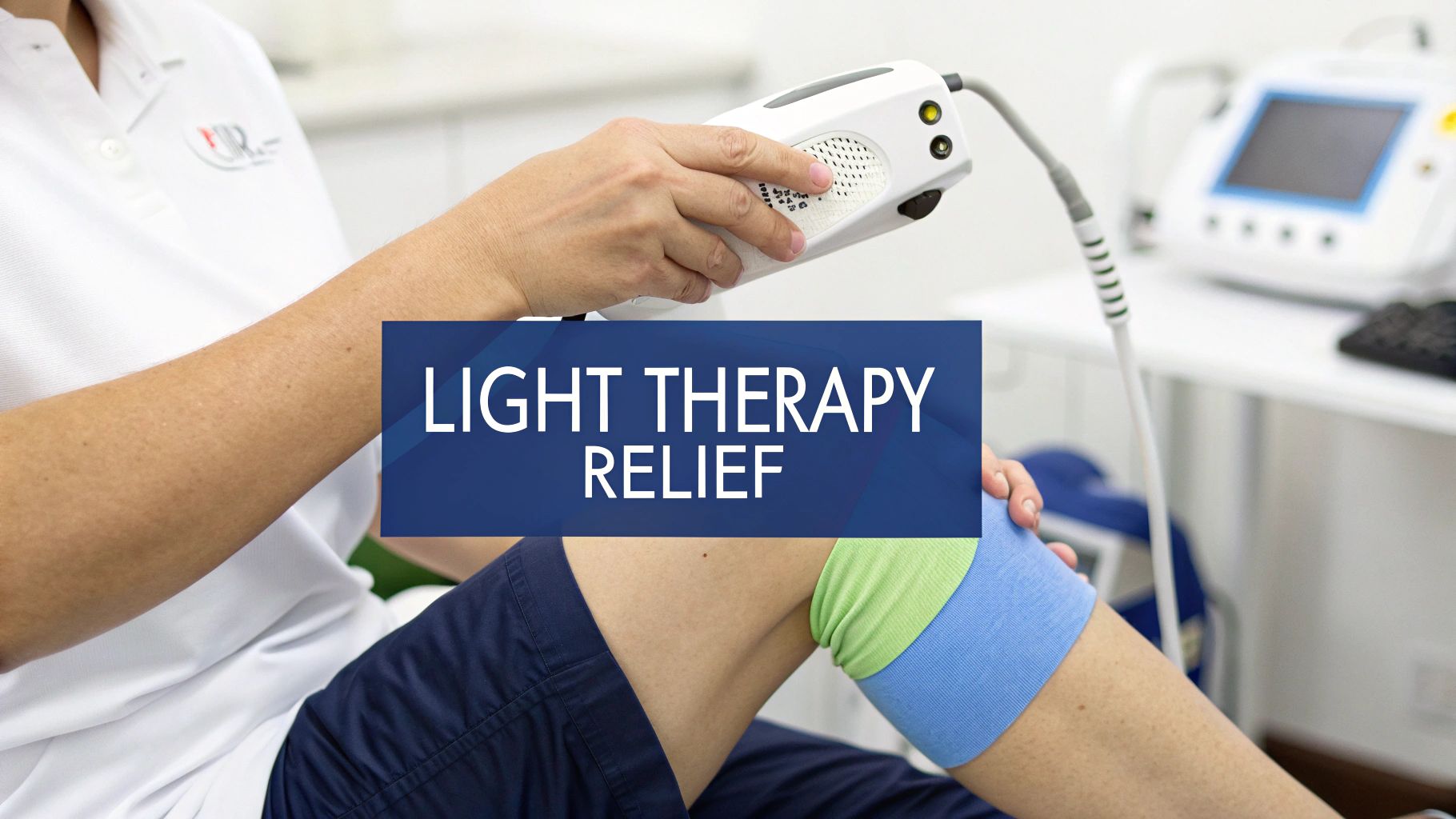
Yes, red light therapy for swelling is a powerful, non-invasive method to manage inflammation, reduce edema, and accelerate the body's natural healing process. It functions by energizing cells at a mitochondrial level, significantly improving circulation, and activating the lymphatic system to efficiently clear out excess fluid and puffiness associated with injuries, intense physical activity, or chronic inflammatory conditions. For wellness professionals, understanding this technology is key to offering advanced, effective recovery protocols.
How Red Light Therapy Reduces Swelling
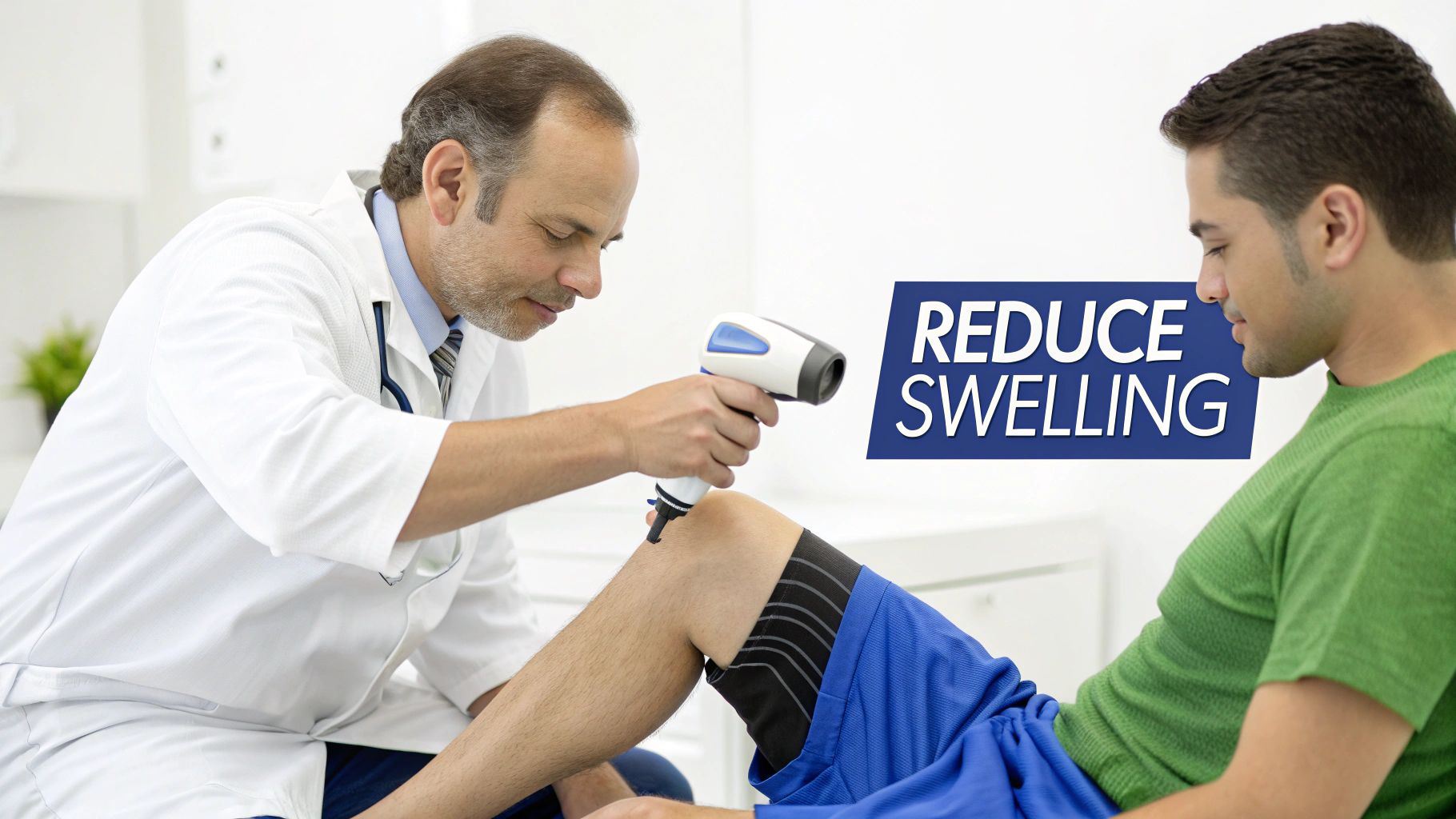
Inflammation can be visualized as a biological traffic jam. Following an injury or significant stress, the body dispatches a flood of resources to the affected site. While well-intentioned, this rapid response can lead to congestion. Cellular debris, excess interstitial fluid, and inflammatory signaling molecules accumulate, resulting in the classic signs of swelling (edema), pain, and redness. This physiological gridlock can paradoxically slow down healing by impeding the delivery of essential oxygen and nutrients to the damaged tissues.
Red light therapy acts as an expert traffic controller in this cellular congestion. It employs specific wavelengths of red and near-infrared (NIR) light, which penetrate deep into the tissue without generating heat. This light energy is absorbed directly by cellular chromophores, initiating a cascade of beneficial biological processes that effectively clear the congestion and put the recovery process back on a fast track. It’s a sophisticated, bio-stimulatory approach to resolving inflammation at its source.
The Core Mechanisms of Swelling Reduction
The true efficacy of this therapy lies in its ability to address swelling from multiple angles simultaneously. It transcends mere symptom management by targeting the root physiological causes of inflammation and fluid retention.
This multi-pronged approach involves several key actions:
- Improving Local Circulation: The light energy stimulates vasodilation, the widening of blood vessels. This immediately enhances blood flow to the treated area, delivering a greater supply of oxygen and nutrients required for cellular repair while facilitating the removal of metabolic waste products that contribute to swelling.
- Calming Inflammatory Signals: At a molecular level, red light therapy helps downregulate the body's pro-inflammatory messengers, such as cytokines and prostaglandins. By reducing the concentration of these signals, the inflammatory response becomes more controlled and efficient, preventing the excessive, prolonged inflammation that can hinder recovery.
- Boosting Lymphatic Drainage: The lymphatic system serves as the body’s primary cleanup crew, responsible for removing excess fluid, proteins, and toxins from the interstitial spaces. Red light therapy significantly enhances lymphatic function, effectively opening the drainage pathways so that trapped fluid can be transported out of the swollen tissue more efficiently.
Red light therapy offers a scientifically-backed solution for managing inflammation. By directly influencing cellular repair and fluid dynamics, it provides a pathway to faster recovery and relief without invasive procedures or pharmaceuticals.
The Science Behind the Relief
This is not just theoretical. Extensive clinical trials have consistently demonstrated the potent anti-inflammatory effects of red light therapy, showing how it directly targets swelling with precise, optimized protocols.
For example, a key study on inflammation models revealed that specific energy doses, such as 3 J/cm², were highly effective at reducing both visible swelling and the levels of Prostaglandin E2 (PGE2), a major biochemical marker of inflammation. For deeper tissues, near-infrared light in the 700-900 nm range penetrates more effectively. Studies have shown that doses up to 480 J/cm² are perfectly safe for lighter skin tones, allowing for effective treatment of muscles, joints, and tendons. Read the full research about these therapeutic findings on verityhealthpnw.com.
Understanding these mechanisms makes it evident why red light therapy for swelling is more than a wellness trend. It is a targeted, science-driven tool that empowers the body's innate healing capabilities, making it an invaluable service for anyone seeking rapid and effective relief from inflammation.
The Cellular Science of Calming Inflammation
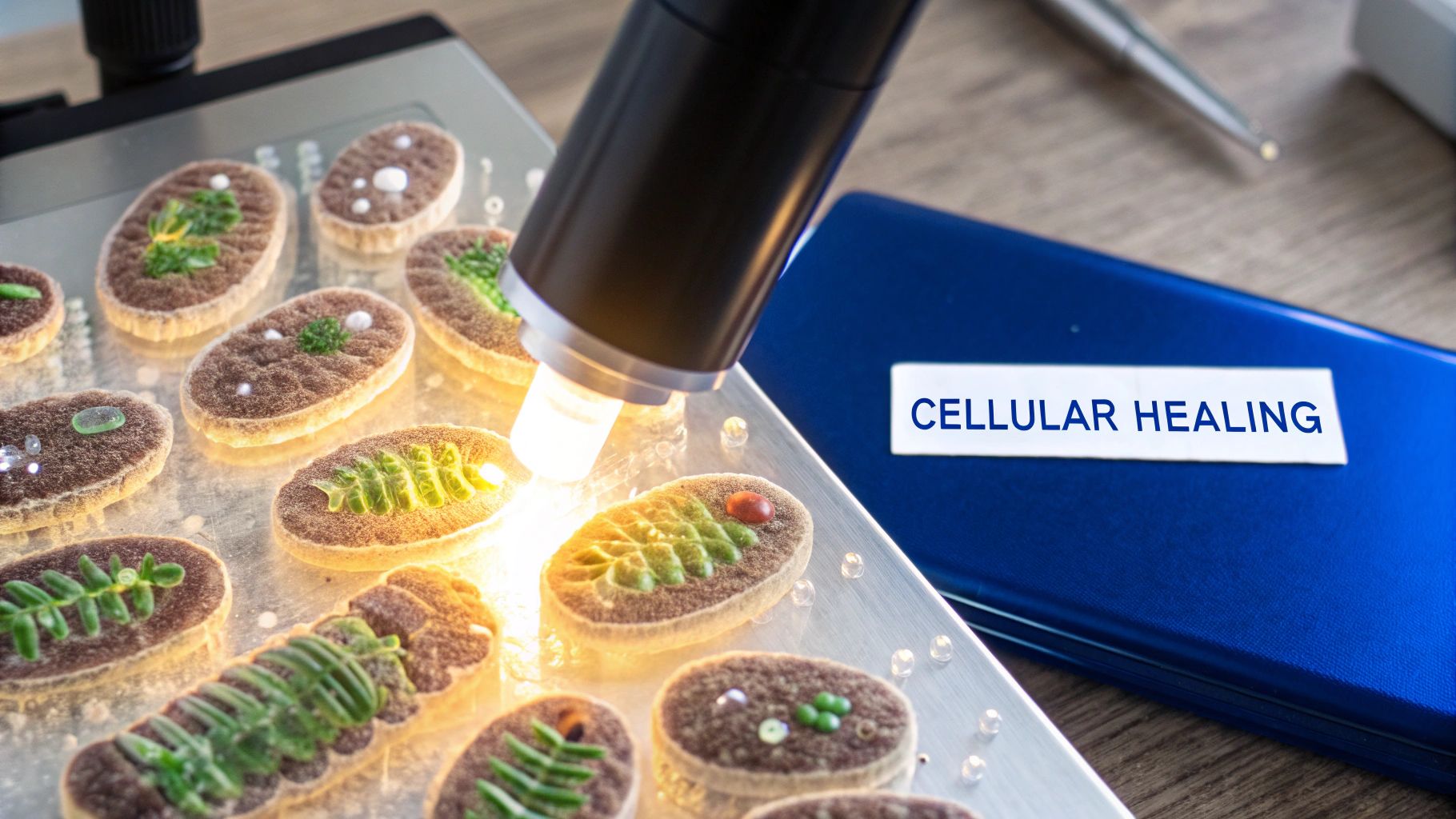
To truly appreciate how red light therapy resolves swelling, it is necessary to examine the events occurring within our cells. The process, known scientifically as photobiomodulation (PBM), revolves around how specific wavelengths of light interact with our cellular machinery to initiate healing and suppress inflammation from the ground up.
At the core of this process are the mitochondria, often referred to as the "powerhouses" of our cells. These organelles function as tiny biological engines. When photons of red and near-infrared light penetrate the tissue, they are absorbed by a specific photoreceptor molecule within the mitochondrial respiratory chain called cytochrome c oxidase.
This absorption acts like turning a key in an engine's ignition. It dramatically increases the production of Adenosine Triphosphate (ATP), the primary energy currency for all cellular functions. This surge in ATP provides damaged cells with the supercharged fuel necessary to repair damage, regenerate new tissue, and return to optimal function more quickly.
Shifting from Attack to Repair
One of the most profound effects of PBM on swelling is its influence on immune cells, particularly macrophages. These cells can exist in two primary phenotypes: a pro-inflammatory "attack" mode (M1) and an anti-inflammatory "repair" mode (M2).
Following an injury, M1 macrophages dominate the area to clear out dead cells and pathogens. While this is a critical first step, it is also the primary driver of inflammation. Red light therapy has been shown to encourage a faster transition of these cells from the M1 "attack" state to the M2 "repair" state. This cellular shift is absolutely essential for resolving inflammation and initiating the tissue rebuilding phase.
By influencing this cellular behavior, red light therapy doesn't just mask inflammation; it actively guides the biological process toward resolution and healing. This makes it an incredibly smart tool for managing the root causes of swelling.
Regulating Oxidative Stress
Another key benefit is the regulation of oxidative stress. The inflammatory process naturally generates unstable molecules known as reactive oxygen species (ROS). While a small amount of ROS is necessary for cellular signaling, an excess creates oxidative stress, which damages healthy cells and perpetuates the inflammatory cycle.
Red light therapy helps restore balance in two critical ways:
- Modulating Nitric Oxide: It triggers a transient release of nitric oxide from cytochrome c oxidase. This molecule is a potent vasodilator, improving local blood flow, and also acts as a signaling molecule that helps reduce cellular stress.
- Boosting Antioxidant Defenses: The increased ATP production provides cells with the energy to ramp up their own natural antioxidant production, enabling them to more effectively neutralize excess ROS.
This dual-action approach quiets the inflammatory signals that contribute to persistent swelling and discomfort. When you understand these intricate cellular mechanics, you can confidently explain the significant value of red light therapy for swelling to your clients. The benefits of infrared light therapy go even deeper. You can learn more about its powerful effects on cellular health in our detailed guide on the infrared light therapy benefits.
Proven Results in Clinical and Athletic Settings

While the cellular science behind red light therapy is compelling, the true measure of its value lies in tangible, observable results. Across diverse environments, from post-operative recovery units to elite athletic training facilities, the evidence is unequivocal: red light therapy for swelling delivers measurable and meaningful outcomes.
This is not about a subjective feeling of improvement. It is about accelerating recovery timelines, enabling people to return to daily activities, work, and sports more quickly. The robust clinical evidence provides the foundation needed to confidently integrate this technology into any serious recovery or wellness protocol.
Success in Post-Surgical Recovery
Effective management of post-operative edema is a critical component of the healing process. Following surgery, controlling the initial inflammatory wave and subsequent swelling is paramount to minimizing pain, reducing the risk of complications, and initiating a positive recovery trajectory.
Red light therapy has proven to be a transformative tool in this context. By calming the inflammatory cascade at the surgical site, it significantly reduces painful and restrictive swelling. This allows patients to regain mobility and function more rapidly, creating an optimal environment for tissue repair and minimizing the likelihood of complications like fibrosis or infection.
Boosting Recovery for Athletes
In the demanding world of professional sports, even a minor injury can result in significant downtime. Swelling from sprains, strains, and repetitive overuse is a persistent challenge for athletes and their trainers. Consequently, professional and collegiate teams are increasingly adopting red light therapy to expedite their players' return to peak performance.
The primary objective is always a faster return to play. Applying red light therapy directly to a swollen ankle, knee, or muscle accelerates the resolution of edema. This not only alleviates pain but, more crucially, enables athletes to begin their rehabilitation exercises sooner. This early start allows them to maintain conditioning and dramatically shorten their time away from competition. Our guide on red light therapy for legs is an essential read for any athlete or trainer looking to gain this competitive edge.
The consistent, positive outcomes in athletic settings are a powerful testament to red light therapy's ability to manage acute inflammation effectively, turning recovery from a waiting game into an active process.
The table below highlights just a few of the areas where red light therapy has demonstrated its effectiveness in clinical settings.
Red Light Therapy Efficacy Across Conditions
| Condition | Key Outcome | Supporting Evidence/Metric |
|---|---|---|
| Post-Surgical Edema | Reduced swelling and pain | Patients regain mobility faster with fewer complications. |
| Athletic Injuries (Sprains/Strains) | Faster return-to-play timelines | Accelerated reduction in edema allows for earlier rehabilitation. |
| Chronic Psoriasis | Reduced painful swelling | Significant improvement in swelling and grip strength. |
| General Inflammation | Lower pain and swelling scores | Standardized mean difference of 1.03 over placebo. |
These findings underscore the therapy's versatility and its role as a powerful, non-invasive tool for managing inflammation and promoting recovery across a spectrum of needs.
Clinical Relief for Chronic Conditions
The benefits of the therapy extend beyond acute injuries. For individuals managing chronic inflammatory conditions such as psoriasis, it provides a powerful, non-pharmaceutical avenue for relief. Red light therapy has demonstrated remarkable efficacy in reducing the painful swelling associated with psoriatic flare-ups.
One comprehensive review noted that patients treated three times per week showed significantly better outcomes than control groups. Those who completed more than 15 sessions experienced even more profound benefits, including improved grip strength—a critical indicator of daily function and overall quality of life. The data revealed a standardized mean difference of 1.03 in pain and swelling reduction, showcasing its clear therapeutic advantage over placebo treatments. For a deeper dive, you can discover more insights about these dosing protocols on lighttherapyinsiders.com.
Designing Effective Treatment Protocols
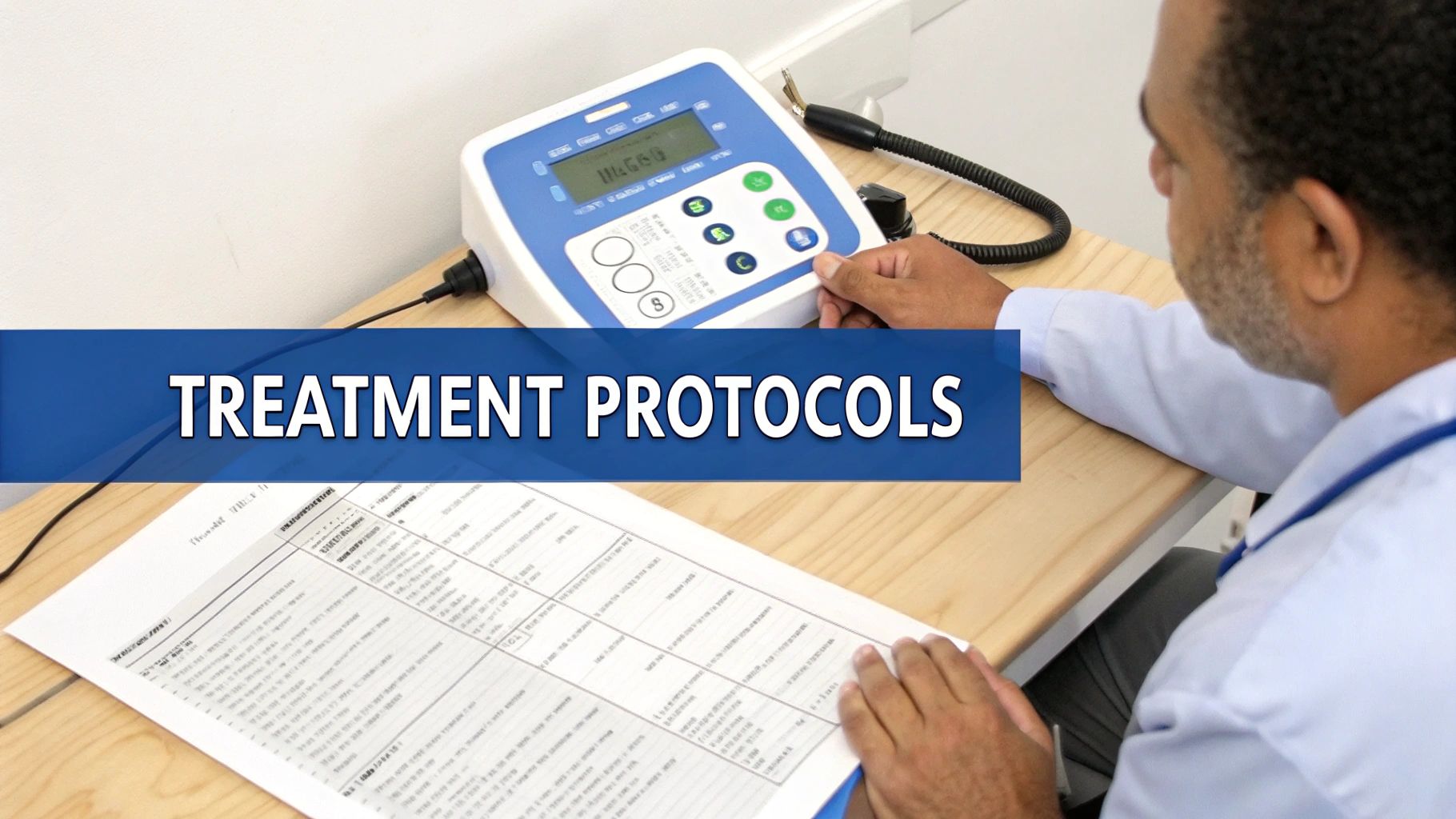
Achieving consistent, high-quality outcomes with red light therapy for swelling is entirely dependent on implementing the correct protocol. Merely applying light to the affected area is insufficient. The therapeutic effect is only realized when the right type and the right amount of light energy are delivered to the target tissue.
This precision requires a thorough understanding of key variables: wavelength, dosage (fluence), and treatment frequency. Think of it like a radio signal; some frequencies penetrate walls easily, while others are blocked. Different wavelengths of light interact with biological tissue in a similar manner. For swelling near the skin's surface, such as post-procedural inflammation, red light is ideal. However, for deeper issues within muscles, joints, or tendons, near-infrared light is necessary to reach the source of the inflammation.
Selecting the Right Wavelengths and Dosage
The initial and most critical step is to match the wavelength to the depth of the target tissue. A well-designed protocol is built upon this fundamental principle, ensuring that the therapeutic light energy reaches its intended destination.
-
Red Light (approx. 660 nm): This wavelength is absorbed more superficially, closer to the skin’s surface. It is the preferred choice for addressing superficial swelling, reducing skin inflammation (e.g., rosacea), and accelerating wound healing after minor aesthetic procedures.
-
Near-Infrared (NIR) Light (approx. 850 nm): NIR is the deep-penetrating wavelength. It passes through the skin to reach underlying muscles, ligaments, joints, and even bone. This makes it indispensable for managing swelling from sports injuries, post-surgical recovery, and any deep tissue inflammation.
After selecting the appropriate wavelength, the next crucial parameter is energy density, also known as fluence. This represents the total dose of light energy delivered, measured in Joules per square centimeter (J/cm²). Delivering insufficient energy will fail to trigger a therapeutic response. However, surprisingly, delivering an excessive dose can be equally ineffective.
Avoiding the Biphasic Dose Response
Red light therapy operates on a principle known as the biphasic dose response. The easiest way to conceptualize this is by thinking about watering a plant. Insufficient water causes it to wither. Too much water drowns the roots. There is an optimal "sweet spot" in between where the plant thrives. The same applies to light therapy for cells.
The biphasic dose response highlights a crucial concept: more is not always better. Exceeding the optimal energy dose can actually inhibit cellular activity and diminish the anti-inflammatory effects you're trying to achieve.
This is why consistency is far more important than intensity. A protocol of moderate, regular doses will yield far superior results compared to infrequent, high-intensity sessions. A typical protocol for chronic inflammation might involve 2-3 sessions per week for several weeks to achieve cumulative benefits. For acute swelling, such as after a strenuous workout or a minor sprain, a single session can provide immediate relief by enhancing circulation and lymphatic flow. In a post-operative setting, a standardized protocol of several sessions can significantly reduce recovery times and enhance the patient's overall experience.
Creating High-Value Combination Therapies
Integrating red light therapy with other modalities is not merely about adding another service to your menu; it's about building intelligent, high-impact protocols that deliver synergistic and superior results. By strategically layering treatments, you can create premium packages that address swelling and recovery from multiple angles. This approach justifies higher price points and cultivates client loyalty through genuinely exceptional outcomes.
Consider red light therapy for swelling as a cellular primer. It works from the inside out, optimizing tissue at the mitochondrial level. Once the cells have been prepped in this way, other therapies that operate on macroscopic systems—like circulation and lymphatic flow—can function much more effectively. This strategy allows you to design unique, multi-step protocols that not only produce better results but also facilitate upselling clients on comprehensive packages promising a faster, smoother recovery.
Synergistic Treatment Pairings
Combining modalities creates a powerful one-two punch against inflammation and swelling. When you improve circulation first, you're essentially clearing the pathways for red light, allowing the photons to reach their cellular targets more efficiently.
Here are a few combinations that work beautifully together:
- Intermittent Vacuum Therapy (IVT): Utilizing IVT before a red light session is a highly effective strategy. The gentle, rhythmic vacuum waves stimulate blood flow and activate the lymphatic system, effectively "opening up" the area. Following this with red light therapy allows for deeper, more efficient light penetration and cellular absorption, maximizing the therapeutic effect.
- Manual Lymphatic Drainage (MLD): Red light therapy can significantly enhance the effectiveness of a skilled therapist's work. A session prior to manual drainage helps to quiet the underlying inflammation and loosen trapped interstitial fluid. This preparatory step makes it considerably easier for the therapist to manually guide fluid out of the congested area. You can learn more about the crucial role of lymphatic drainage in holistic wellness in our detailed article.
- Compression Therapy: Using red light therapy before applying compression can substantially boost the benefits of both treatments. The light therapy first calms inflammation and enhances circulation; the subsequent compression can then more efficiently flush out the mobilized fluids and metabolic waste products.
By layering these treatments, you create a comprehensive recovery experience. The client doesn't just feel better temporarily; their body’s natural healing and drainage systems are actively supported for more lasting relief.
Amplifying Post-Procedure Recovery
This combination approach is particularly valuable in a medspa setting for post-procedure care. Following treatments known to cause temporary swelling, such as body contouring or more invasive aesthetic procedures, a protocol that pairs red light with another modality can dramatically accelerate healing and improve the final aesthetic outcome.
For instance, photobiomodulation is well-documented for its ability to accelerate wound healing and minimize scarring, a critical aspect of managing post-procedure recovery. Clinical data has shown that a medium-dose therapy can lead to a 77.8% reduction in scarring, compared to just 50% in untreated areas. This effect is driven by enhanced fibroblast activity and optimized collagen production, primarily utilizing wavelengths between 660-670 nm and 830-850 nm.
For a closer look at the data, you can learn more about the research into photobiomodulation for wound healing and scar reduction. This type of hard evidence is precisely what you need to build premium recovery packages that clients will recognize as having immense value.
Boosting Your Business with RLT Services
Introducing red light therapy into your facility is more than just an equipment upgrade; it's a strategic business decision that can unlock new, predictable revenue streams. For any practice owner or manager, the return on investment (ROI) is paramount. This technology is not just another machine—it is a scalable profit center with tangible benefits for both your clients and your bottom line.
One of the most significant operational advantages is efficiency. Many professional red light therapy systems, such as the Vacustyler Avantgarde, are designed for largely unattended sessions. This means a single staff member can comfortably oversee multiple clients simultaneously, allowing you to dramatically increase your facility's service capacity without a corresponding increase in labor costs.
Building Recurring Revenue Models
The true financial power of leveraging red light therapy for swelling and recovery lies in its natural fit with memberships and package deals. Instead of relying solely on one-off session sales, you can build a stable, recurring revenue base that smooths cash flow and fosters long-term client retention.
Here are a few proven models for structuring your offerings:
- Tiered Memberships: Offer different levels of access, such as a "Basic Recovery" tier with 4 sessions per month or a "Pro Performance" tier with 8 sessions per month, bundling RLT with your other core services.
- Recovery Packages: Create dedicated post-procedure or post-injury packages that include a predetermined number of sessions specifically designed to accelerate healing and reduce downtime.
- Performance Add-Ons: For your athletic clientele, position RLT as an essential add-on to their existing training memberships to enhance recovery, reduce muscle soreness, and help prevent injuries.
By framing red light therapy as a crucial part of a larger wellness or recovery plan, you shift the conversation. It's no longer a one-time expense but an ongoing investment in their health, making a recurring payment feel completely natural.
ROI for Medspas and Athletic Teams
For medspas, RLT is the ideal non-invasive adjunct to services like body contouring, microneedling, or post-surgical care. It helps your clients achieve better results, significantly reduces their downtime, and provides a gentle, relaxing experience that enhances your brand's premium positioning. You can easily bundle it into high-end recovery packages, adding substantial value with minimal additional staff effort.
In the world of sports, the ROI is measured in a critical metric: player availability. When athletes can recover faster from swelling and muscle soreness, they spend less time on the sidelines and more time training and competing at their peak. This has a direct, positive impact on team performance and provides a distinct competitive advantage, making the investment in RLT an easy decision for any coach or athletic director focused on winning.
Your RLT Questions, Answered
To help you get the most out of red light therapy for swelling, we’ve put together answers to some of the most common questions from wellness professionals and their clients. This is all about clearing up how it works, what to expect, and how to use it safely and effectively.
Is Red Light Therapy Safe for All Kinds of Swelling?
For the most part, yes. RLT is incredibly safe and effective for swelling that comes from everyday sources like inflammation, sports injuries, or just pushing it too hard at the gym. It is non-invasive, non-toxic, and has an extensive safety record.
However, there are a few important exceptions and contraindications. Red light therapy should never be used for swelling associated with active infections, blood clots (thrombosis), or directly over cancerous tumors. This is why a professional consultation and proper client intake are so important—it helps identify the root cause of the swelling before you begin treatment. For all approved uses, it remains a gentle, non-invasive therapy with an outstanding safety profile.
How Quickly Can My Clients Expect to See Results?
This really depends on the individual's physiology and the condition being treated. Many clients report feeling noticeably lighter and less puffy after just one 20-30 minute session, especially when it's paired with other therapies that boost circulation, such as Intermittent Vacuum Therapy.
For more significant injuries or chronic inflammation, the most profound benefits manifest over time. A lasting reduction in swelling might take a series of consistent treatments over several weeks to become fully realized.
The key takeaway here is that the benefits are cumulative. Clinical evidence consistently shows that positive outcomes compound with regular use. For stubborn issues, a protocol of 2-3 sessions per week is typically the sweet spot for achieving the best results.
Are Professional Systems Better Than At-Home Devices?
While at-home devices are great for convenience and maintenance, they cannot match the power and precision of professional-grade systems. Professional units deliver far superior power output (irradiance), cover larger treatment areas for more uniform dosing, and are calibrated to the precise, clinically-validated parameters required for consistent, therapeutic results.
This ensures an optimal dose of light energy is delivered efficiently to the target tissue, leading to more effective and reliable outcomes, especially when dealing with significant swelling or deep tissue conditions. When you need dependable and rapid results in a clinical or athletic setting, professional systems are undoubtedly the superior choice.
Ready to provide your clients with faster recovery and superior results? The Weyergans HighCare US Vacustyler Avantgarde combines German-engineered vacuum wave therapy with targeted red light to elevate your wellness services. Discover how our system can boost your ROI and client satisfaction today.