


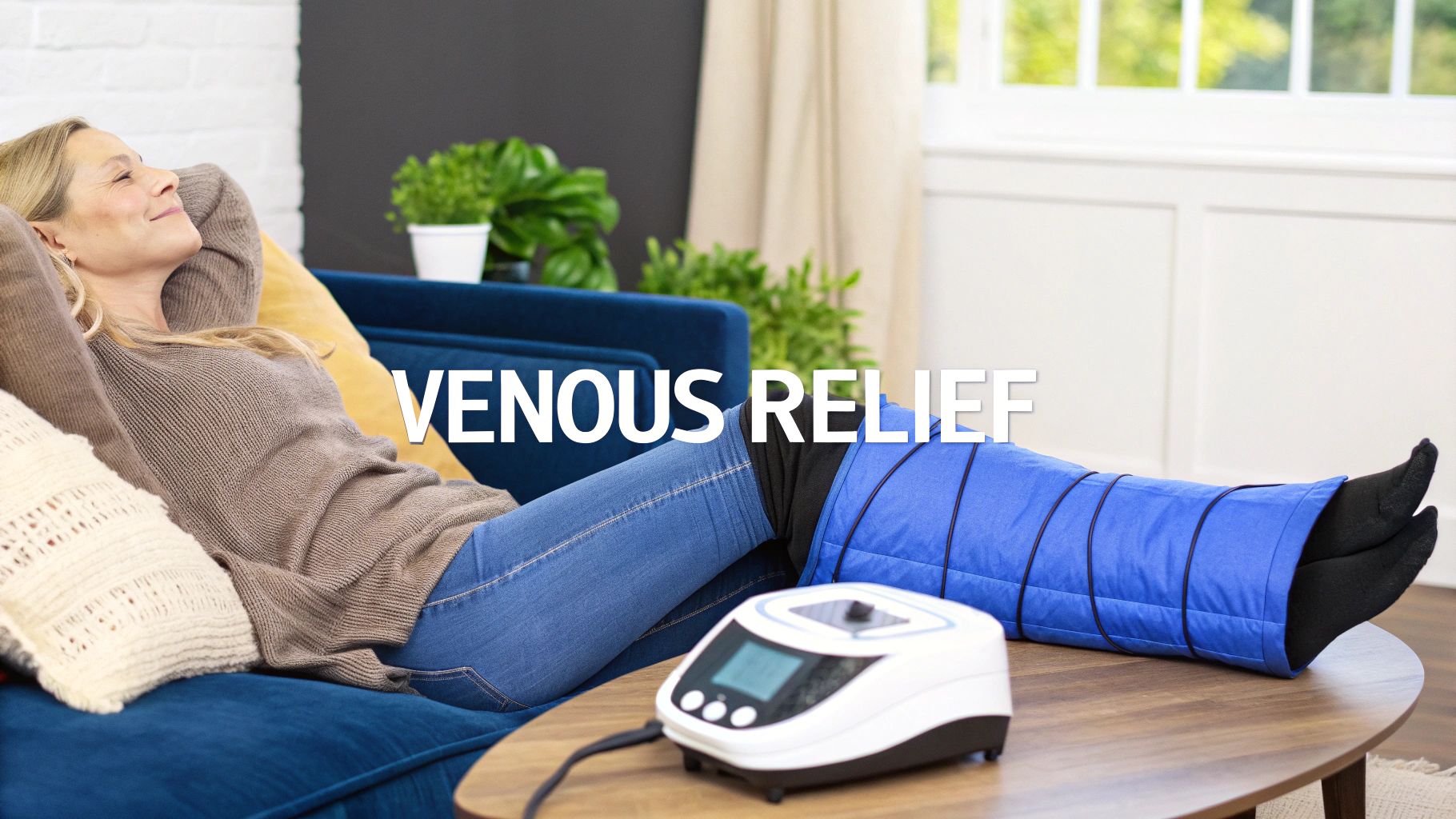
If you're looking to improve venous insufficiency, the foundation of any effective plan starts with a few key lifestyle changes. Simple, daily habits like regular exercise, elevating your legs, and wearing compression stockings can make a world of difference. These actions help counteract the effects of weakened vein valves, reduce swelling and discomfort, and assist blood flow back to the heart. For many, this proactive approach is the single most important factor in managing symptoms and stopping the condition from getting worse. By integrating consistent self-care with modern therapeutic options, you can significantly enhance your quality of life and keep your legs feeling their best.
Understanding Why Your Legs Feel Heavy and Swollen
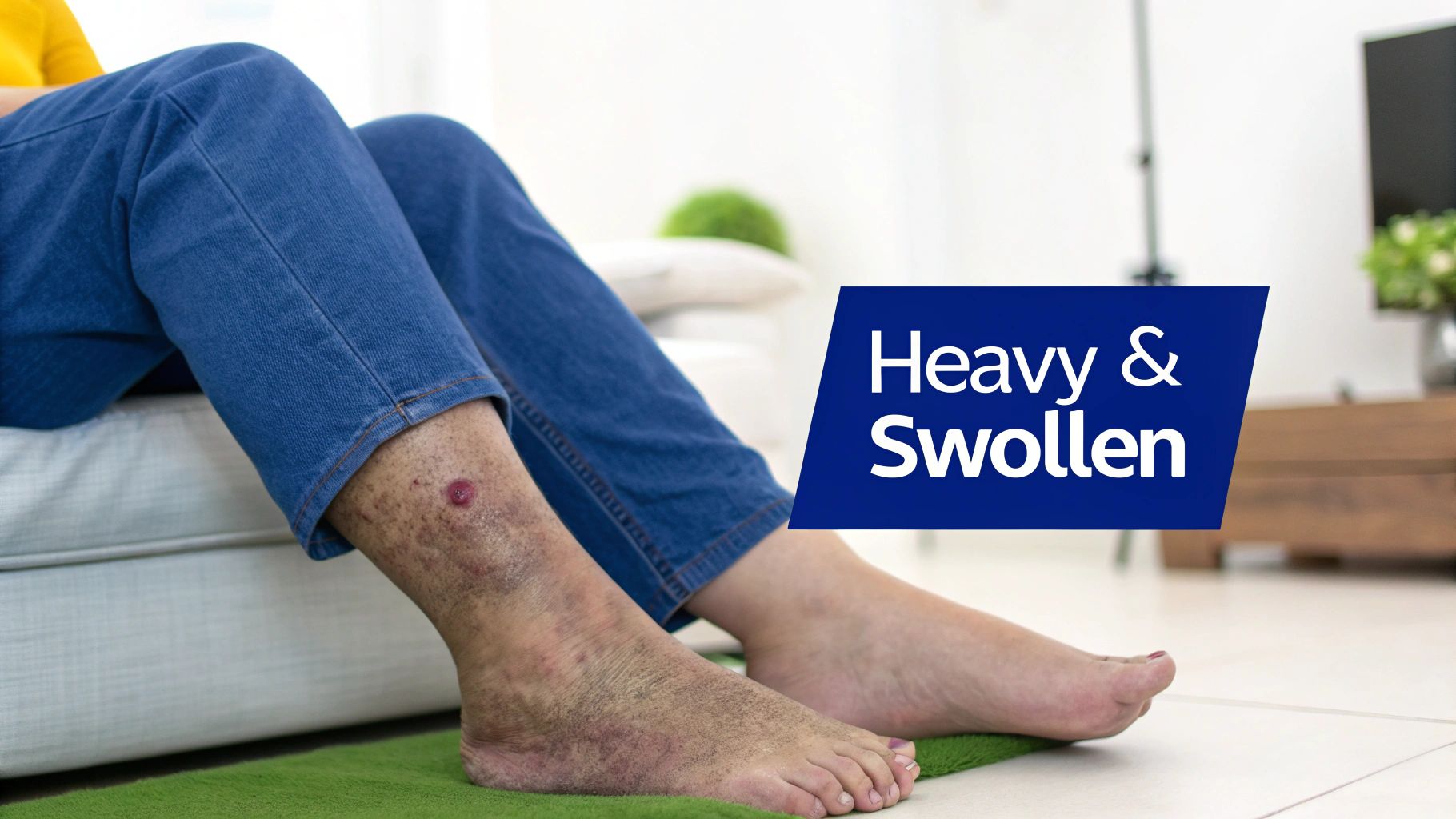
If you've ever ended a long day with legs that feel heavy, achy, and puffy, you're not alone. This is often the first tell-tale sign of venous insufficiency, a common condition where the tiny valves inside your leg veins have trouble pushing blood back up toward your heart. It’s a battle against gravity that your circulatory system is slowly starting to lose, leading to uncomfortable symptoms that can worsen over time if left unaddressed.
Think of these valves as a series of one-way gates. In a healthy vein, they open to let blood flow upward, then snap shut to stop it from falling back down. But when these valves get weak or damaged, gravity starts to win. Blood begins to pool in the lower legs, and that's what causes that all-too-familiar feeling of heaviness, along with visible signs like swelling and varicose veins. This blood pooling, known as venous stasis, is the central problem that all treatments for venous insufficiency aim to correct.
What Triggers Venous Insufficiency?
Several factors can contribute to the weakening of these crucial vein valves. Getting a handle on them is the first real step toward finding relief and learning how to manage venous insufficiency for the long haul. Understanding your personal risk factors empowers you to make targeted lifestyle changes that can have a significant impact on your symptoms and the progression of the condition.
Common risk factors include:
- Genetics and Family History: If your parents or close relatives had vein issues, you're unfortunately more likely to develop them, too. This genetic predisposition can affect the structure and durability of your veins and their valves.
- Age: It’s a simple fact of life—as we get older, the natural wear and tear on our bodies can make vein valves less effective. The elasticity of vein walls can also decrease with age, contributing to the problem.
- Lifestyle Habits: Jobs that keep you sitting or standing for long stretches put continuous pressure on leg veins, making it tough for blood to circulate properly. Lack of movement means the crucial "calf muscle pump" isn't engaged to help push blood upward.
- Excess Weight: Carrying extra body weight increases the pressure on the entire venous system in your legs, creating another obstacle for upward blood flow. This constant pressure can weaken valves over time.
- Hormonal Changes: Pregnancy and hormonal therapies can relax vein walls, making the valves less efficient. Multiple pregnancies, in particular, are a significant risk factor.
This condition is far more widespread than most people realize. Chronic venous insufficiency (CVI) affects a staggering 10% to 35% of adults in the US. The numbers get even more specific in Western countries, where prevalence rates can be as high as 40% in women and 17% in men, making it a quiet epidemic in nations where sedentary lifestyles are the norm.
The core issue in venous insufficiency isn't a problem with your heart; it's a mechanical failure in the veins themselves. The system designed to fight gravity simply becomes less efficient over time.
The Impact on Your Body
The consequences of this poor blood flow go beyond simple discomfort. When blood pools, pressure builds up inside the veins—a state known as venous hypertension. This pressure can actually force fluid out of the veins and into the surrounding tissues, which is what causes that noticeable swelling (edema) in your ankles and lower legs. This fluid is rich in red blood cells and inflammatory factors that can damage the surrounding tissue over time.
Over time, this can snowball into more serious problems. The skin might become discolored, itchy, or fragile. In advanced cases, the lack of fresh, oxygenated blood stops the skin from healing properly, leading to venous ulcers—open sores that are notoriously difficult to treat. It's a chain reaction that begins with faulty valves but can ultimately impact your mobility and quality of life. Understanding what causes poor leg circulation is fundamental to stopping these symptoms before they escalate.
By recognizing these root causes and early signs, you can start taking informed, proactive steps. The solutions we'll discuss are designed to directly counteract these mechanical failures, helping your body win its daily battle against gravity. Taking action early can prevent the progression to more severe stages of the disease.
Learning to Recognize the Warning Signs

It’s easy to write off tired, achy legs as just another part of a busy life. But how can you tell when that nagging discomfort is actually a sign of something more serious? Learning to spot the early signals of venous insufficiency is the single most important step you can take to manage your leg health and learn how to improve venous insufficiency before it gets worse.
The condition rarely announces itself loudly. It usually begins with a subtle feeling of heaviness or a dull ache in your legs, especially after a long day of standing or sitting. This isn't just normal fatigue; it's a specific, deep-seated ache that begs for relief. Recognizing these symptoms not as isolated incidents but as a potential pattern is crucial for early intervention and preventing long-term complications.
Early Whispers of Trouble
Long before the more obvious signs appear, your body sends quiet signals. Paying attention to these first indicators is your best bet for being proactive and getting ahead of the problem. Ignoring these initial symptoms allows the underlying condition to progress, making it more challenging to manage later on.
Here are some of the initial signs to watch for:
- A Persistent Ache or Heaviness: This is often a dull, throbbing sensation that gets worse as the day wears on. You might notice it feels a lot better when you finally put your feet up. This relief upon elevation is a classic sign of venous pooling.
- Minor Swelling: Maybe your socks are leaving deeper marks around your ankles than they used to, or your favorite shoes feel uncomfortably tight by the evening. This subtle edema is a direct result of fluid leaking from high-pressure veins.
- Spider Veins (Telangiectasias): These are small, web-like clusters of tiny red or blue veins just under the skin’s surface. They're often one of the very first visible clues that something is amiss with the smaller vessels.
- Leg Cramps or Restlessness: Many people experience nocturnal leg cramps or a restless feeling that makes it difficult to keep their legs still at night. This discomfort is often linked to the metabolic waste that builds up from poor circulation.
These symptoms are incredibly easy to dismiss, but they signal the first stage of venous hypertension—the point where blood is starting to pool and stretch the vein walls.
More Obvious Indicators to Watch
As venous insufficiency progresses, the signs become harder to ignore. Those early whispers turn into clear, visible warnings that your circulatory system is struggling.
Varicose veins are the classic hallmark. These are the enlarged, twisted, and sometimes bulging blue or purple veins that pop up on the legs. They are far more than a cosmetic issue; they are damaged veins where blood is pooling significantly, indicating that the one-way valves have failed.
This isn't a rare problem. Varicose veins affect 5% to 30% of adults worldwide, with women experiencing them at roughly a 3-to-1 ratio compared to men. Research highlights that the risk is much higher for those dealing with obesity, pregnancy, or jobs that require being on your feet all day. According to the American Heart Association's journal, Circulation, these factors create a perfect storm for venous issues.
Recognizing the shift from minor evening swelling to visible varicose veins is a critical moment. It means the underlying valve problem is getting worse and absolutely warrants a conversation with your healthcare provider.
Beyond varicose veins, other advanced signs can start to show up:
- Noticeable Skin Changes: The skin around your ankles and lower legs might become dry, intensely itchy, and flaky. This is a condition called stasis dermatitis, an inflammatory response to the long-term pooling of blood.
- Discoloration: You may see reddish-brown patches on your skin, which are caused by red blood cells leaking from the high-pressure veins. This staining, known as hyperpigmentation, is often permanent.
- Venous Ulcers: In severe cases, the poor circulation starves the skin of oxygen and nutrients, preventing it from healing properly. This can lead to open sores, most often near the ankle. These ulcers can be very painful and difficult to heal.
Use this checklist to get a clearer picture of what you might be experiencing. It can be a helpful tool to bring to your next doctor’s appointment.
Venous Insufficiency Self-Assessment Checklist
Use this checklist to identify common symptoms of venous insufficiency, from early to advanced stages. Note the symptoms you experience to discuss with a healthcare provider.
| Symptom Category | Specific Signs | Check If Present |
|---|---|---|
| Early Sensations | Legs feel tired, heavy, or achy, especially at the end of the day | ☐ |
| Burning, throbbing, or muscle cramping in the lower legs | ☐ | |
| Pain that improves with leg elevation | ☐ | |
| Restless legs at night | ☐ | |
| Visible Signs (Early) | Spider veins (small, web-like red or blue lines) | ☐ |
| Minor swelling (edema) in the ankles or feet | ☐ | |
| Visible Signs (Advanced) | Varicose veins (large, twisted, bulging blue or purple veins) | ☐ |
| Significant, persistent swelling in the lower legs | ☐ | |
| Skin Changes | Skin feels leathery, shiny, or tight around the ankles | ☐ |
| Reddish-brown skin discoloration (hyperpigmentation) | ☐ | |
| Dry, itchy, or irritated skin (stasis dermatitis) | ☐ | |
| Severe Complications | Open sores or ulcers that are slow to heal, especially near the ankles | ☐ |
| Hardened skin and tissue (lipodermatosclerosis) | ☐ |
This checklist is a starting point, not a diagnostic tool. If you've checked off several boxes, it's a strong signal that it’s time to seek a professional opinion.
Confirming a Diagnosis
If any of these signs sound familiar, your next move should be a professional evaluation. A doctor will typically start with a physical exam and may recommend a duplex ultrasound.
This is a completely non-invasive test that uses sound waves to create a real-time map of your veins. It allows the technician to literally see how blood is flowing and pinpoint exactly which valves are failing. It's a painless and definitive procedure that gives you and your doctor the clear picture needed to build an effective plan. This diagnostic step is crucial for ruling out other conditions, such as deep vein thrombosis (DVT), and determining the appropriate course of treatment.
Building Your Daily Self-Care Routine
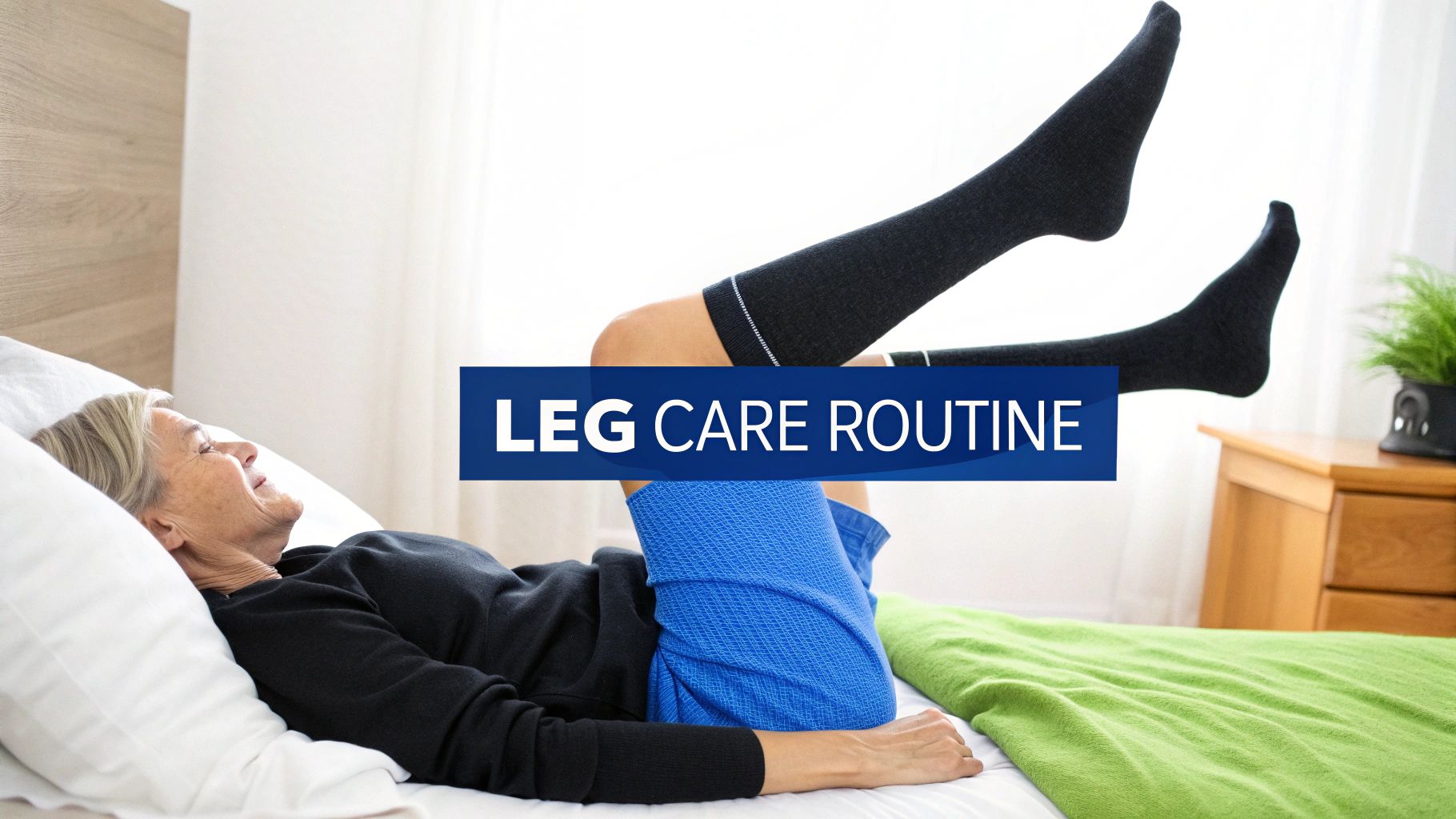
Recognizing the signs of venous insufficiency is the first step, but making real progress happens when you build supportive habits into your everyday life. This is where you take back control and make a tangible difference in how your legs feel day in and day out.
A dedicated self-care routine is the absolute cornerstone of managing this condition. It’s all about small, sustainable actions that work together to give your circulation the support it needs. These practices aren't complicated, but consistency is everything. The goal is to counteract gravity and help out those weakened vein valves with a few powerful, yet simple, lifestyle adjustments.
Master the Use of Compression
Compression therapy is, without a doubt, the most effective non-invasive tool in your arsenal. When you wear compression stockings or socks, they apply gentle, graduated pressure—tightest at the ankle and easing up the leg. This external support essentially gives your veins a helping hand, encouraging blood to flow upward instead of pooling.
Think of it as a supportive scaffold for your veins. It’s a simple mechanical fix for what is fundamentally a mechanical problem. By squeezing the leg tissues, compression also helps reduce swelling by preventing fluid from leaking out of the capillaries and encouraging its reabsorption into the circulatory system.
To really get the most out of compression, a few details matter:
- Proper Fit is Everything: Don't just grab a pair off the shelf. Get professionally measured at a pharmacy or medical supply store. They'll help you find the right size and compression level (measured in mmHg). An ill-fitting stocking can easily do more harm than good.
- Put Them On First Thing: The ideal time to put on your compression gear is right after you get out of bed in the morning, before gravity has a chance to cause swelling.
- Consistency is Key: For real results, you need to wear them every day. This is especially true on days when you know you'll be sitting or standing for long stretches.
Elevate Your Legs the Right Way
Gravity is the main force working against you in venous insufficiency, so learning how to use it to your advantage is a game-changer. Elevating your legs helps drain pooled blood and fluid, bringing almost immediate relief from that familiar aching and swelling.
But just propping your feet on a coffee table won’t cut it. For elevation to be truly effective, your feet need to be positioned higher than your heart.
Pro Tip: Lie flat on your back and stack a few pillows under your legs until your ankles are comfortably above your heart. Aim to do this for 15-20 minutes, three to four times a day. It’s especially helpful after being on your feet for a while or at the end of the day.
This simple act can dramatically lower the pressure in your leg veins and ease that heavy, tired feeling. For more strategies on this, check out our guide on how to reduce leg swelling.
Integrate Movement and Gentle Exercise
Movement is medicine for your veins. Your calf muscles act like a secondary heart, squeezing the deep veins in your legs with every step you take. This "calf muscle pump" is absolutely vital for pushing blood back up toward your heart against gravity.
You don’t need to run a marathon to see the benefits. The focus here is on consistent, gentle activity.
Simple exercises you can do practically anywhere:
- Ankle Pumps: While sitting at a desk or watching TV, just point your toes up toward the ceiling, then down toward the floor. Repeat this 10-15 times every hour or so. This simple movement activates the calf pump even when you're seated.
- Walking: A brisk 30-minute walk each day is one of the best things you can do for your circulation and overall vein health. It promotes healthy blood flow throughout the body.
- Calf Raises: Stand with your feet flat, then slowly rise up onto your tiptoes. Hold for a second, then lower back down. This directly engages that all-important calf muscle pump.
The power of these habits can't be overstated. Research highlights that chronic venous disease is a massive issue, with prevalence ranging from 14% in France to 37% in Russia. What's truly alarming is that up to 80% of sufferers never see a doctor, a trend common among busy professionals and athletes who might brush off early symptoms. Structured exercise is a key defense, shown to slash the risk of disease progression by 30-50%. You can discover more insights about these findings on becarispublishing.com.
Focus on Weight Management and Skin Care
Finally, let's talk about two other crucial pieces of your daily routine: managing your weight and taking care of your skin.
Carrying excess weight puts extra strain on your entire circulatory system, which makes it that much harder for your veins to pump blood efficiently. Even losing a modest amount of weight can significantly reduce the pressure in your leg veins. A balanced, low-sodium diet can also help reduce water retention and swelling, further alleviating symptoms.
Proper skin care is also non-negotiable. Poor circulation can make the skin on your lower legs become dry, itchy, and fragile. Keep your skin well-moisturized with a gentle, fragrance-free lotion to prevent cracking, which can reduce the risk of infection or ulcers down the road. Regularly inspect your skin for any changes, such as new discoloration or sores.
Exploring Modern Therapies for Better Circulation
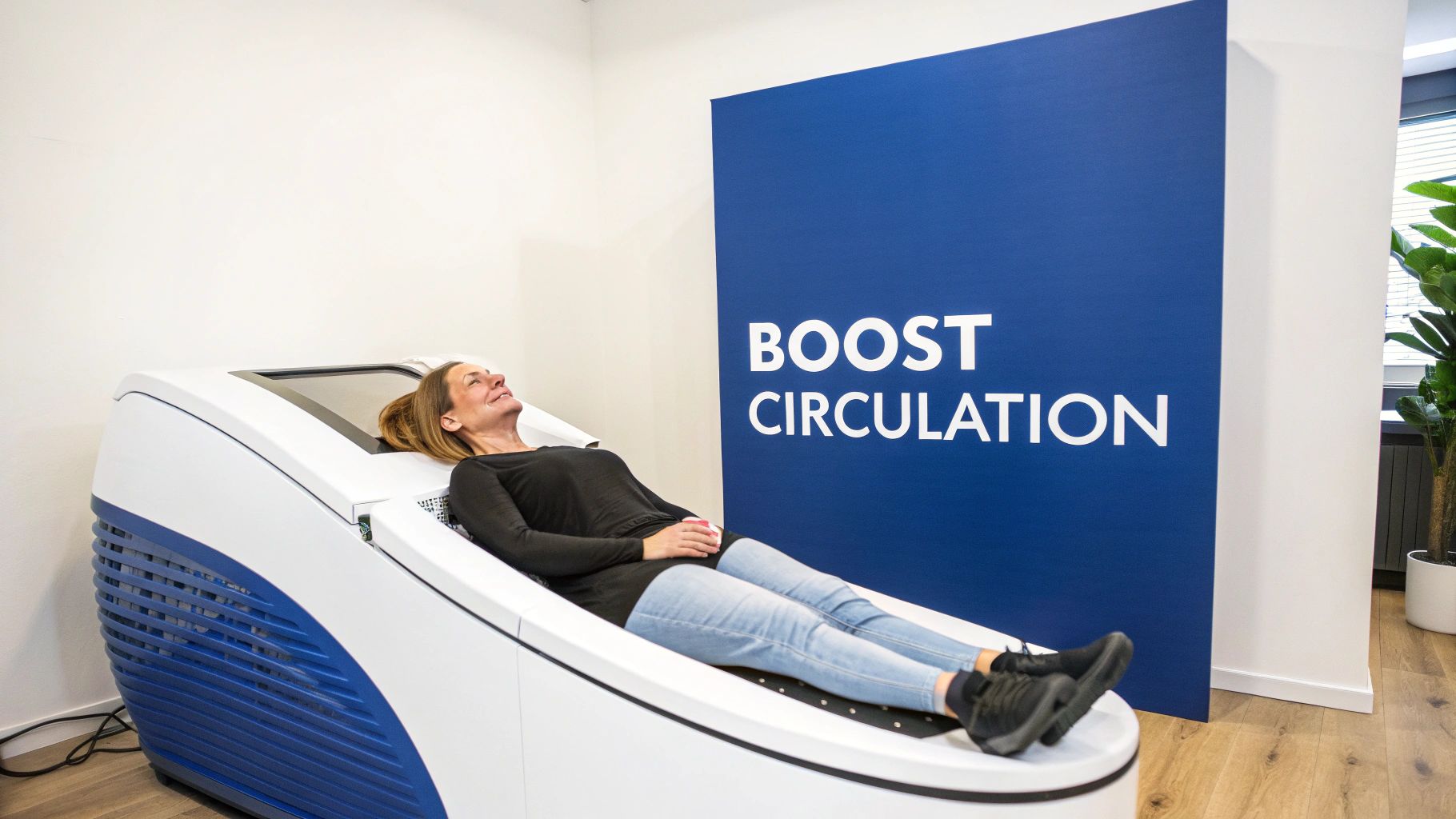
While your daily habits are the foundation for managing venous insufficiency, sometimes they just aren't enough. When self-care practices hit a plateau, modern supervised therapies can provide a more powerful, targeted boost to get your circulation moving and finally ease your symptoms.
Think of these treatments as the next level of care. They're designed to accomplish what you can't at home, using specialized techniques to actively support your body's venous and lymphatic systems. For anyone serious about how to improve venous insufficiency, this is where real progress can be made. These therapies often work in synergy with your at-home routine, amplifying the benefits of compression, elevation, and exercise.
The Gentle Power of Manual Lymphatic Drainage
One of the most trusted and effective supervised therapies is Manual Lymphatic Drainage (MLD). This is a far cry from a deep-tissue massage. Instead, it’s an incredibly light, gentle, and rhythmic technique performed only by a certified therapist. Its primary goal is to stimulate the lymphatic system—your body’s secondary circulatory system that’s crucial for fluid balance.
When venous insufficiency causes blood to pool, excess fluid can seep into the surrounding tissues and overwhelm your lymphatic vessels. MLD works to clear this traffic jam, manually encouraging the fluid back into circulation. The result is often a significant reduction in swelling and that awful heavy, waterlogged sensation.
A typical MLD session looks like this:
- Targeted, Rhythmic Strokes: The therapist uses precise, feather-light hand movements to gently stretch the skin, coaxing lymph fluid toward healthy, functioning lymph nodes.
- Focus on Problem Areas: While the treatment is systematic, a good therapist will pay special attention to the lower legs and ankles where fluid tends to accumulate most.
- A Relaxing Experience: The pressure is so light that most people find the session deeply relaxing and therapeutic.
MLD works beautifully when paired with your daily compression and elevation routine. It creates a powerful synergy for managing fluid and reclaiming comfort.
Next-Generation Circulation Support: Intermittent Vacuum Therapy
Beyond manual techniques, technology offers some fascinating ways to support circulation passively but with incredible effect. One of the most promising is Intermittent Vacuum Therapy (IVT), also known as intermittent negative pressure therapy. This approach uses alternating cycles of negative and normal atmospheric pressure to actively pull and push blood through your system.
Picture your lower body inside a sealed chamber. During the negative pressure phase, the vacuum gently pulls your veins and capillaries open, drawing in a fresh supply of oxygen-rich blood. When the pressure returns to normal, this action helps squeeze out deoxygenated blood and metabolic waste.
This cyclical “push-pull” action is essentially a passive workout for your entire vascular system. It mimics and amplifies the body’s own muscle pump mechanism without you having to lift a finger.
Meet the Vacustyler Avantgarde: A Space-Age Solution
This advanced vacuum therapy is perfected in the Vacustyler Avantgarde. Its technology has surprising roots, stemming from NASA's research into helping astronauts maintain circulation in zero-gravity. The device brings that same powerful science down to earth for anyone looking to supercharge their circulation.
During a session, you just lie back and relax while your lower body is enclosed in the device. The Vacustyler then begins its unique vacuum wave treatment. Sessions are incredibly efficient, typically lasting just 20-30 minutes, and are completely unattended once started.
This makes it an ideal fit for:
- Busy Professionals: You can squeeze in a session on your lunch break and get a major circulatory boost without derailing your day.
- Athletes: It's an amazing recovery tool after training, helping to flush out lactic acid and reduce muscle soreness.
- Anyone with Heavy, Tired Legs: The immediate feeling of lightness after a session is a game-changer.
The Vacustyler’s method is all about actively assisting your body's natural flow. By creating this dynamic pressure change, it delivers a powerful circulatory stimulus that compression alone simply can't match. To get a better sense of the mechanics, you can explore the science of IVT and how negative pressure supports circulation in our detailed guide. It’s a fascinating look at how this technology provides real, tangible relief.
How Professionals Can Integrate Advanced Wellness Solutions
If you're a business owner or manager in wellness, aesthetics, or athletics, the growing conversation around venous insufficiency is more than just a health trend—it's a massive opportunity. People are actively seeking out effective, non-invasive ways to feel better, and this opens the door for forward-thinking facilities to step up. Integrating a system like the Vacustyler Avantgarde is about much more than just adding a new piece of equipment; it's about creating a powerful, in-demand service that practically runs itself.
Think about it: this technology offers a unique, high-value experience that requires minimal staff involvement and has zero downtime for the client. Sessions are largely unattended and last only 20-30 minutes, meaning a single staff member can easily oversee multiple clients at once. This model is built for profitability, allowing you to create high-margin packages and build recurring revenue through memberships that tap directly into the modern client’s desire for consistent, accessible wellness routines.
Medspas and Aesthetic Clinics
In the aesthetics world, the Vacustyler is the ultimate wingman for your existing treatments. It’s a strategic addition that doesn't just complement your services—it amplifies their results, driving client satisfaction sky-high and making package sales an easy conversation.
Imagine a client who has just finished a body contouring procedure like cryolipolysis or radiofrequency. Those treatments are great, but their effectiveness hinges on the body’s lymphatic system to clear away the targeted fat cells. If a client's circulation is sluggish, their results will be too.
This is exactly where the Vacustyler comes in. By offering a session immediately after their primary treatment, you can:
- Accelerate Visible Results: The intermittent vacuum therapy actively stimulates lymphatic drainage, helping the body flush out metabolic waste and cellular debris far more efficiently. Clients see the results they paid for, faster.
- Elevate the Client Experience: The session itself is deeply relaxing, leaving clients feeling lighter and refreshed. It transforms a standard appointment into a premium, memorable wellness experience they'll talk about.
- Create Irresistible Packages: Bundle a series of contouring treatments with Vacustyler sessions to create a comprehensive "Body Sculpting & Detox" package. This justifies a higher price point and gets clients booked for weeks to come.
Athletic Departments and Recovery Facilities
For any athletic department, the mission is simple: keep your athletes healthy, recovered, and ready to perform. Any tool that can slash downtime and accelerate recovery is a game-changer. The Vacustyler provides that competitive edge by offering a completely passive recovery method that delivers very tangible results.
An athlete can walk off the field after a grueling practice, get into the Vacustyler, and immediately start the recovery process. This helps to:
- Flush Lactic Acid Faster: The powerful boost in circulation helps clear out the metabolic byproducts that cause next-day muscle soreness and fatigue.
- Reduce Swelling and That "Heavy-Leg" Feeling: For athletes dealing with minor strains or just pounding the pavement, the device offers instant relief by reducing fluid buildup.
- Keep Your Best Players in the Game: Consistent use leads to faster recovery times between training sessions. That means your key athletes are more consistently available for practice and competition, period.
A university's athletic department could set up "Recovery Pods" featuring the Vacustyler. Athletes could book 20-minute sessions through a simple app, making it a seamless and integrated part of their post-training protocol. The result? Better performance and fewer non-contact injuries.
A Versatile and Profitable Service Model
The business case for the Vacustyler is compelling because it's so versatile. It doesn't matter if you're a medspa owner, a gym manager, or an athletic trainer. You're addressing a real and growing consumer need—the desire for better circulation, faster recovery, and a feeling of lightness—with a solution that’s a win for the client and a win for your bottom line.
Here’s a quick look at how different industries can put this technology to work.
Vacustyler Avantgarde Implementation Across Industries
The Vacustyler Avantgarde isn't a one-size-fits-all device; it's a versatile platform that can be adapted to meet the unique goals of various professional settings. From accelerating aesthetic results to boosting athletic recovery, the technology offers distinct benefits that enhance client outcomes and drive business growth. The table below outlines how different industries can leverage the Vacustyler to create new service offerings and improve their value proposition.
| Industry | Primary Use Case | Client/Athlete Benefit | Business Benefit |
|---|---|---|---|
| Medspas & Aesthetics | Post-Body Contouring Enhancement | Faster visible results from treatments like cryolipolysis; reduced localized swelling. | Increased package sales; higher client satisfaction and retention. |
| Athletic Departments | Post-Training Recovery | Quicker reduction in muscle soreness and fatigue; faster return to peak performance. | Improved athlete availability; reduced injury downtime; competitive edge in recruiting. |
| Wellness Centers | Circulation & Detox Programs | Relief from heavy, tired legs; improved skin tone and texture; overall feeling of lightness. | High-margin, recurring revenue through memberships; attracts new client demographics. |
| Longevity & Biohacking | Systemic Circulation Support | Enhanced oxygen delivery to tissues; supports cellular health and detoxification pathways. | Positions facility as a leader; complements services like IV and red light therapy. |
Ultimately, integrating a solution like the Vacustyler is about meeting a clear market demand with a sophisticated, low-labor service model. For any professional looking to innovate and expand their offerings, it represents a clear path toward enhanced client results and a healthier balance sheet.
Answering Your Most Common Questions
When you start exploring ways to improve venous insufficiency, a lot of practical questions pop up. From timelines to how different therapies actually work, getting straight answers is key. Let's tackle some of the most common queries we hear, so you can feel confident in your plan.
How Long Does It Take to See Improvements?
This is probably the most common question, and the honest answer is: it's different for everyone. Your timeline depends heavily on the severity of your condition and how consistent you are with your routine. It's much better to think of progress in stages than to look for a quick fix.
With dedicated daily self-care—like faithfully wearing your compression stockings and elevating your legs—most people start to feel a real difference in swelling and discomfort within just a few weeks. These habits are the foundation of long-term management and deliver steady, reliable relief.
When it comes to more advanced therapies like the Vacustyler Avantgarde, the feeling of relief is often immediate. It's common for clients to report a sensation of lightness in their legs right after their first session. The more visible benefits, like a noticeable reduction in swelling and better skin tone, build up over a series of treatments, often within a 10-session package.
Can Venous Insufficiency Be Completely Cured?
This is a critical question with a nuanced answer. Chronic Venous Insufficiency is a progressive condition, which means the underlying damage to the vein valves is usually permanent. In that sense, it can't be "cured" like a common cold.
However—and this is a big however—it can be managed incredibly well. The goal of every single treatment, from lifestyle shifts to supervised therapies, is to control symptoms, slow the disease's progression, and head off serious complications like venous ulcers. Consistent, proactive management can make a world of difference in your daily comfort and quality of life, keeping you active and feeling great.
Is the Vacustyler Avantgarde Safe for Everyone?
The Vacustyler Avantgarde is a non-invasive wellness device built to boost recovery and circulation, making it a fantastic tool for aesthetic goals, athletic recovery, and general well-being in otherwise healthy individuals.
That said, like any therapeutic device, it’s not right for absolutely everyone. It’s crucial that it’s used by the right candidates.
Important consideration: People with certain acute medical conditions should not use the device. This includes deep vein thrombosis (DVT), severe unmanaged cardiovascular issues, or active infections in the legs. Always consult with a facility's trained staff or your healthcare provider to make sure it's a safe choice for your specific health profile.
How Does Vacuum Therapy Differ from Compression?
Both therapies aim for the same outcome—better circulation—but they get there using completely opposite forces. Grasping this difference is key to understanding the tools available to manage venous insufficiency.
- Compression Therapy: This is all about applying static, external pressure to the legs with stockings or bandages. This constant squeeze supports weak vein walls from the outside, which helps stop blood from pooling and pushes fluid back toward the heart. Think of it as a supportive, passive hug for your legs.
- Intermittent Vacuum Therapy (IVT): The technology inside the Vacustyler creates a dynamic, cyclical change in pressure. It alternates between negative pressure (a gentle vacuum) and normal atmospheric pressure. The vacuum phase actively pulls fresh, oxygenated blood into the tiniest capillaries. The release phase then helps push that blood and lymph fluid back out. This active "pull-and-release" cycle essentially does the work of your muscle pump for you, delivering a powerful circulatory boost that is both passive for you and active for your vascular system.
Ready to offer your clients the immediate feeling of lightness and advanced circulatory support they’ve been looking for? The Weyergans HighCare US Vacustyler Avantgarde delivers a science-backed, non-invasive wellness experience that enhances results and creates a powerful new revenue stream for your facility. Learn more and explore the possibilities at https://weyerganshighcareus.com.