


So, does vacuum therapy work? The short answer is yes. It’s a non-invasive approach, based on physiological principles, that uses intermittent negative pressure (INP) to start circulation and support your body’s natural recovery processes. While it’s not a medical cure, it’s a tool for speeding up recovery, reducing swelling, and improving the look and feel of your skin.
The science behind vacuum therapy: how it works with your body
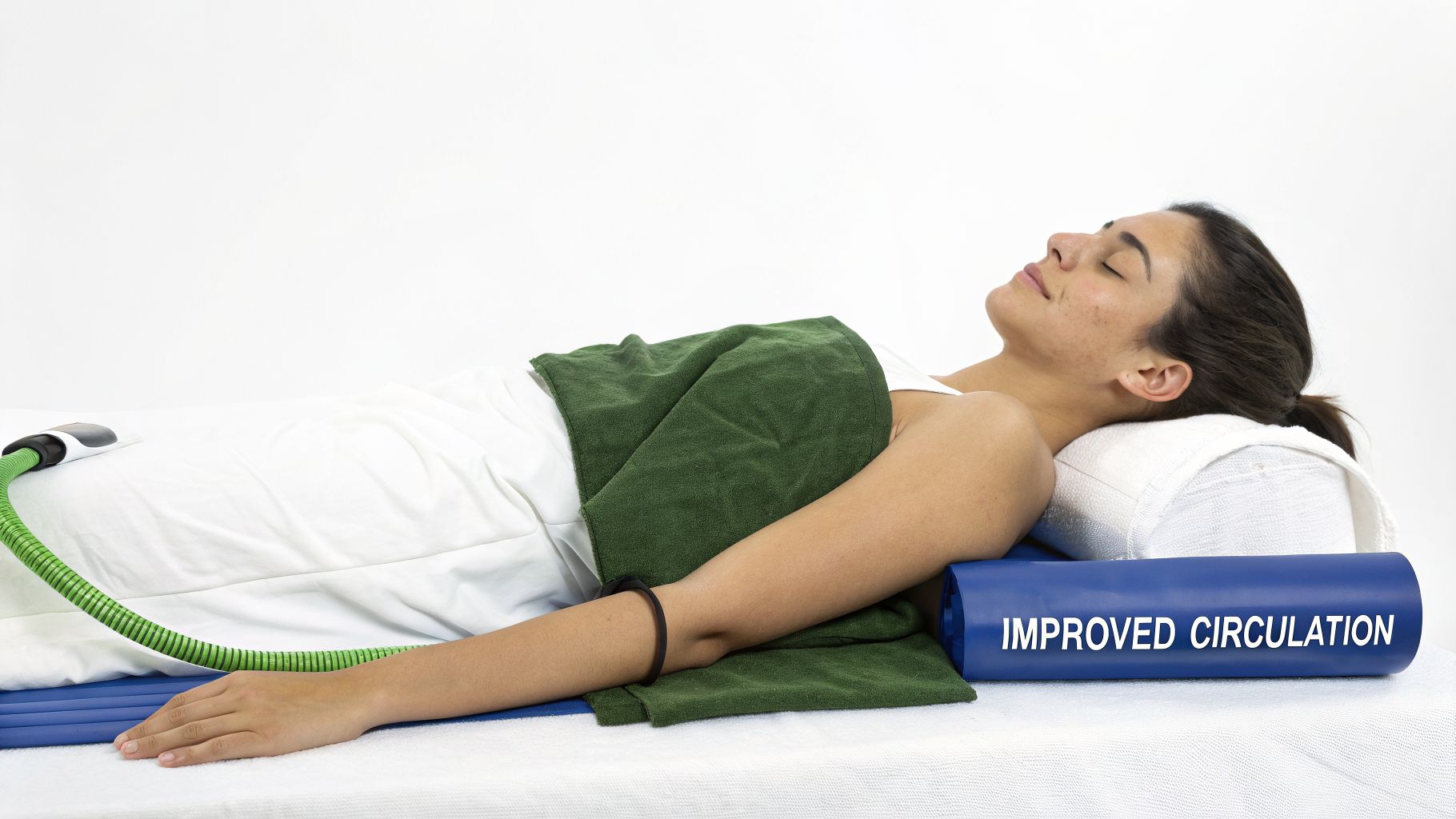
Think of a device like the Vacustyler as a sophisticated, automated pump for your lower body. The technology is built around one core principle: intermittent negative pressure (INP). The device creates a controlled cycle, alternating between gentle negative pressure (a vacuum) and normal atmospheric pressure.
This rhythmic change from pulling to releasing coaxes your blood and lymph vessels to expand and contract. It gives your entire circulatory system a passive workout, boosting blood flow from the outside in—all while you simply lie back and relax.
What’s happening inside your body?
During the negative pressure phase, the gentle vacuum draws fresh, oxygen-rich blood into the tiniest capillaries and arteries in your legs and skin. When the device releases back to normal pressure, this newly delivered blood is then efficiently pushed back through your venous system toward the heart.
This simple, powerful cycle helps your body in several ways:
- Boosted Blood Flow: The most immediate effect is a surge in circulation. This process delivers a fresh supply of oxygen and nutrients to your muscles and skin cells.
- Enhanced Lymphatic Drainage: That same pumping motion is a huge help to your lymphatic system. It helps move out stagnant fluid and metabolic waste, which is why people often feel a sense of lightness and see a reduction in swelling.
- Optimized Cellular Environment: With better oxygen in and more waste out, your cells get the ideal environment they need to repair and regenerate. This is the secret behind its use for both athletic recovery and advanced aesthetic skin treatments.
This gentle, cyclical pressure does more than just move fluid. It actively supports the microcirculation in your tissues, which is fundamental for both athletic recovery and aesthetic improvements.
The physical sensation is usually a mild tingling or warmth, followed by a noticeable feeling of lightness in the legs. For a quick overview, here's a simple breakdown of what the therapy involves.
Vacuum therapy at a glance
This table offers a snapshot of the therapy, its purpose, and what you can expect from a session.
| Aspect | Description |
|---|---|
| Primary Goal | To improve circulation and lymphatic drainage in the lower body. |
| Key Mechanism | Uses intermittent negative pressure (a vacuum cycle) to stimulate blood vessels. |
| Who It's For | Athletes, professionals who stand or sit often, and medspa clients. |
| Expected Outcome | Reduced muscle soreness, less swelling, and improved skin tone over time. |
While no therapy is a silver bullet, this science-backed method offers a reliable way to support your body’s own systems. By creating a better internal environment, vacuum therapy helps you recover faster, feel lighter, and perform better.
The science behind intermittent negative pressure
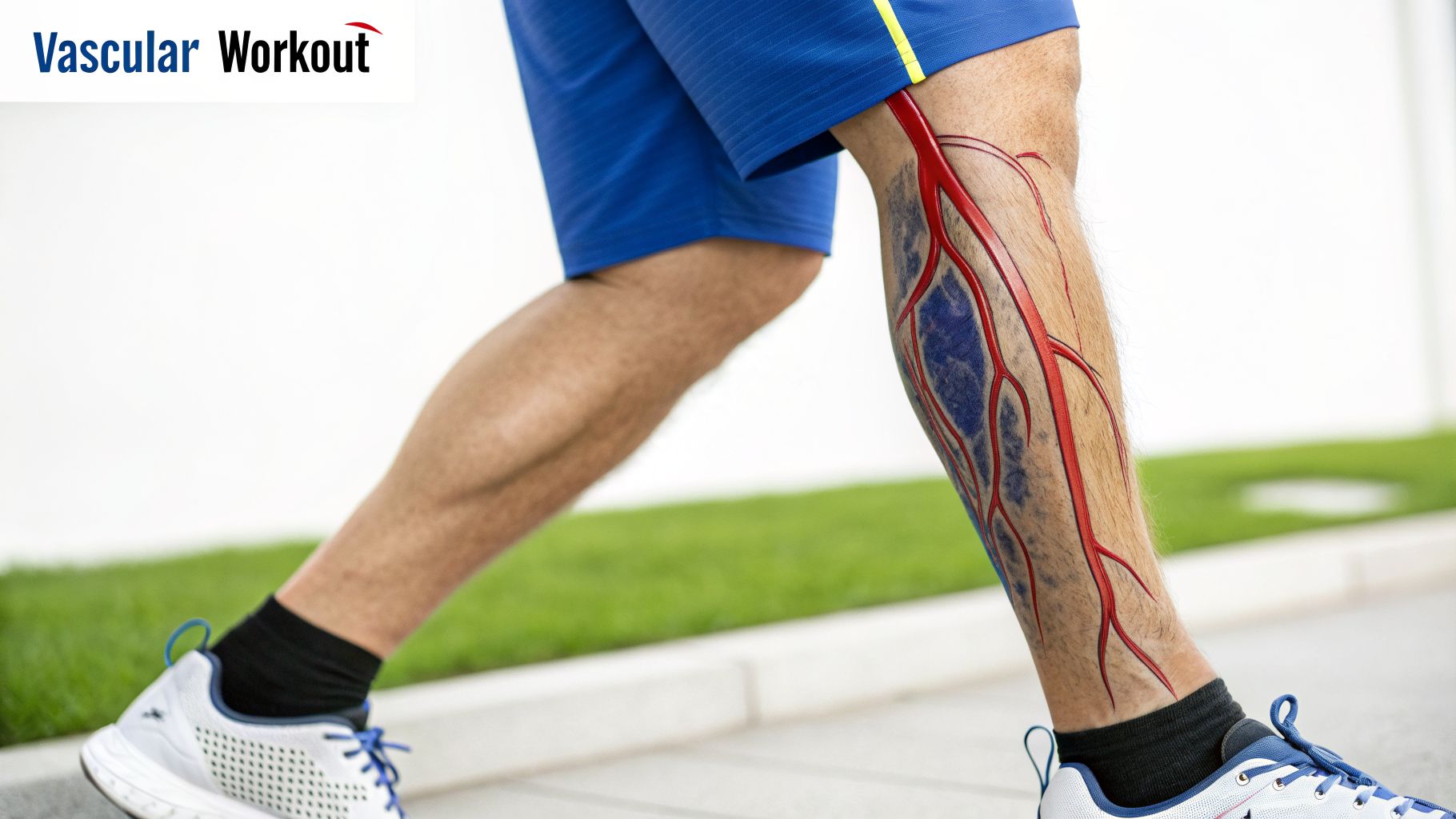
At its heart, vacuum therapy works using a principle called intermittent negative pressure (INP). The simplest way to think about it is as a passive workout for the vascular system in your lower body. The technology creates a controlled, rhythmic cycle, switching between a gentle vacuum and normal atmospheric pressure.
This back-and-forth rhythm forces your blood vessels to dilate and then constrict, giving them a workout without you having to move a muscle. This controlled, external “pumping” action is the key to how vacuum therapy delivers its results.
A passive pump for your circulatory system
When the device enters its negative pressure phase, it gently pulls on your skin and the tissues beneath. This encourages your blood vessels to expand, drawing fresh, oxygen-rich blood deep into your legs and all the way down to the smallest capillaries.
Then, as the device cycles back to normal pressure, it helps your venous and lymphatic systems push out deoxygenated blood and metabolic waste. This active flush gives your body’s natural housekeeping processes a major assist.
The benefits of this cycle are tangible:
- Improved Lymphatic Flow: The rhythmic pressure changes help mobilize stagnant lymphatic fluid, which is why people often notice a reduction in swelling and that "heavy leg" feeling.
- Enhanced Nutrient Delivery: Better circulation means more nutrients can reach your skin and muscles, directly supporting cellular repair and health.
- Targeted Cellular Support: This is what creates that immediate feeling of lightness and reduced muscle soreness that so many people report right after a session.
This passive workout for the circulatory system offers a way to support recovery and skin health without adding strain. It's a method of working with your body's natural systems to optimize them.
Evidence in practice
This isn’t just theory; clinical research backs it up. Multiple meta-analyses and prospective trials have shown vacuum therapy's effectiveness in areas like wound care and the kinds of musculoskeletal issues common in sports and aesthetics.
A 2024 Brazilian randomized trial on a streamlined vacuum therapy model reported a 157% relative risk reduction in granulation and cleansing success. Data like this shows how powerful improved circulation can be.
We see this mirrored in the real-world results from the Vacustyler Avantgarde. Athletic teams using the technology have reported 25% fewer missed practices because of faster recovery times. Longevity clubs have seen membership growth of up to 40% just by adding this non-invasive recovery option to their offerings.
For those who want to dig into the mechanics, you can read our guide on how negative pressure supports circulation. Some of the more advanced devices even integrate red and infrared light therapy, which works in synergy with the pressure changes to further support skin health and collagen production for even better outcomes.
Clinical proof for recovery and pain management
The big question is always the same: where's the proof? Beyond people simply saying they feel better, the real validation for any wellness technology comes from hard data. Scientific studies give us concrete answers on how effective vacuum therapy is for pain management and physical recovery. This is what separates a trend from a legitimate therapeutic tool.
The data points consistently in one direction, especially for chronic pain and athletic recovery. Researchers measure objective changes—things like lower pain scores, better mobility, and a quicker return to daily activities. It’s about translating what happens in a lab into real-world benefits you can feel.
Data on chronic low back pain
One of the most compelling areas of research is chronic pain, a condition that disrupts millions of lives. A 2022 randomized clinical trial out of Spain looked into this, providing powerful evidence for myofascial vacuum therapy in treating chronic low back pain. The study put vacuum therapy head-to-head against standard physical therapy over 15 sessions.
The results were impressive. The group receiving vacuum therapy saw a 92% clinical success rate, which the study defined as cutting pain by at least 50% after one month. This was a jump from the 72% success rate in the group that only got standard physical therapy. For anyone who has been wrestling with a bad back, this study offers a clear, data-backed reason to give vacuum therapy a serious look. You can explore the full study on non-invasive pain management to see all the details for yourself.
Visualizing the clinical success
The chart below, taken directly from the study, paints a very clear picture of how patients in each group progressed.
As you can see, while both groups got better, the vacuum therapy group (VTG) consistently stayed ahead of the control group (CG) at every checkpoint. That gap between them only grew wider by the one-month follow-up, showing a clear and sustained advantage.
This is exactly the kind of evidence that matters for facilities like biohacking studios and medspas. It proves you’re offering clients a solution that’s not just different, but demonstrably more efficient for non-invasive pain relief.
The key takeaway here is that vacuum therapy isn't just an alternative to try; in some cases, it can be a superior option for managing chronic pain. A success rate that high suggests it’s getting to the root of the problem by addressing underlying circulatory and myofascial issues.
Broader applications in recovery
The benefits don't stop with back pain. The core mechanism—improving circulation—has a ripple effect that helps in all sorts of recovery situations.
- Post-Exercise Recovery: By helping to flush out metabolic byproducts like lactic acid and easing inflammation, vacuum therapy helps athletes feel ready to go again, faster.
- Reduced Muscle Soreness: Getting more oxygen and nutrients to tired muscle tissue is key to taming delayed onset muscle soreness (DOMS).
- Improved Mobility: For anyone feeling stiff or dealing with minor injuries, the therapy can help restore range of motion by moving out excess fluid and releasing tissue tightness.
When you add it all up, these findings create a strong, evidence-based case for vacuum therapy as a reliable tool. It’s valuable for elite athletes pushing for peak performance and for anyone just wanting relief from everyday aches and stiffness. The clinical proof simply confirms what users have been reporting all along: it works.
Aesthetic benefits for skin and body contouring
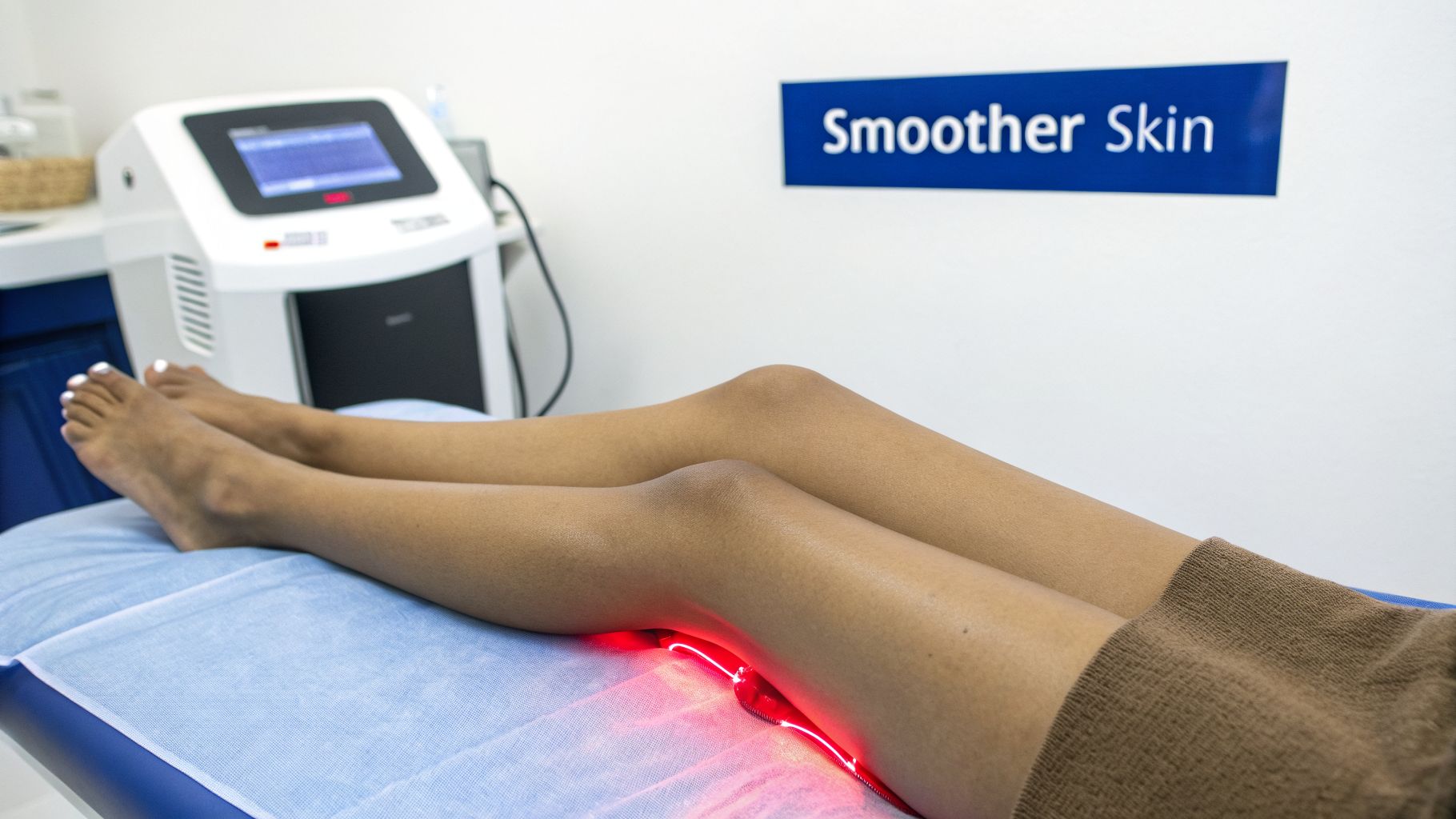
While vacuum therapy is a game-changer for athletic recovery, many of its most impressive results are aesthetic. The same core mechanism—dramatically improved circulation—directly translates into better skin tone, a smoother texture, and an overall more refined contour for the lower body.
This is why medspas and high-end aesthetic clinics are rapidly bringing this technology on board.
When the therapy gets your blood and lymphatic fluid moving, it helps the body flush out excess fluid and metabolic byproducts that get stuck in your tissues. This “flushing” effect is a tool against fluid retention and can visibly soften the appearance of cellulite, leading to smoother, firmer-looking skin on the legs and buttocks.
How it works for skin and contour
The process is simple yet effective. The gentle, rhythmic negative pressure doesn’t just move stagnant fluid; it also brings a fresh rush of oxygen and nutrients straight to the skin cells. Think of it as revitalizing the skin from the inside out.
Some advanced systems, like the Vacustyler, go a step further by integrating beauty light therapy (a combination of red and infrared light) directly into the session. This addition works in tandem with the pressure changes to help stimulate the production of collagen and elastin—the two proteins that are the foundation of firm, elastic, and healthy skin.
This combination of improved circulation and light therapy creates a powerful synergistic effect. You're not just temporarily moving fluid around; you're actively supporting the skin's underlying structural matrix for improvements that last.
This makes vacuum therapy an ideal non-invasive, zero-downtime service that aesthetic clients love. They can get a session on their lunch break and head right back to their day, which is a massive selling point for busy professionals.
For a deeper look into this specific application, check out our guide on using vacuum therapy for cellulite reduction.
Pairing with other aesthetic treatments
For medspas, one of the biggest wins is how well vacuum therapy complements other popular services. By preparing the body and optimizing its circulatory and lymphatic pathways first, it can amplify the results of other treatments.
It’s an amazing prep-service to pair with:
- Cryotherapy or Cryoskin: Using vacuum therapy before a session can help the body clear away the crystallized fat cells more efficiently after the treatment is over.
- Radiofrequency (RF) Skin Tightening: When blood flow is optimized, the skin can respond more effectively to the RF energy, potentially leading to more dramatic skin-tightening results.
By bundling these services, clinics can build high-value packages that tackle multiple client goals at once—from fat reduction to skin firming—which is a smart strategy for increasing average revenue per client.
What happens during a vacuum therapy session
So, what does an Intermittent Vacuum Therapy session actually feel like? Forget complicated procedures or any effort on your part. A session in a device like the Vacustyler is designed to be completely passive and deeply relaxing.
You simply lie down, get comfortable, and the lower-body chamber is secured around your waist to create a gentle seal. Once the automated program begins, your only job is to rest for the next 20 to 30 minutes.
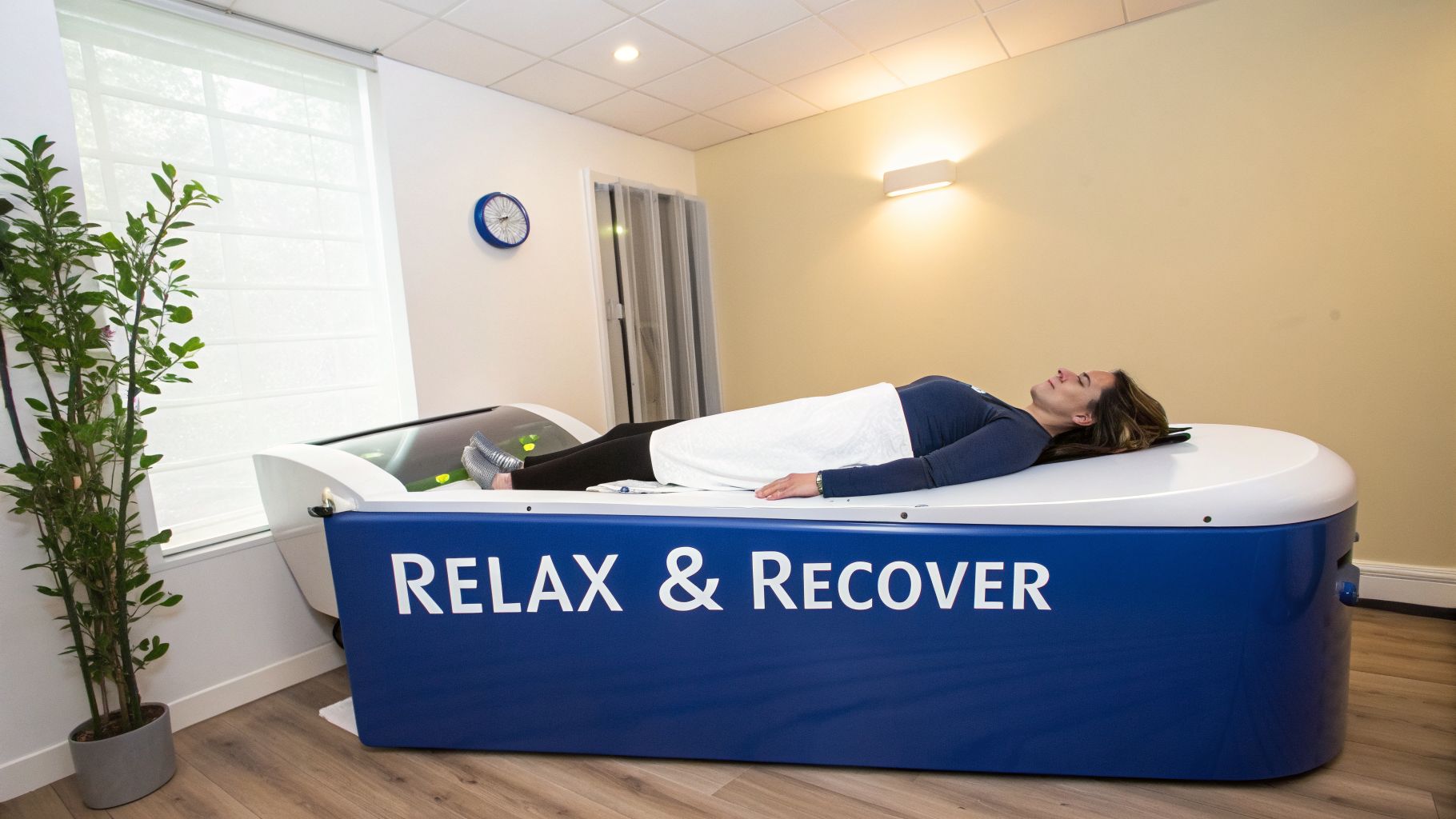
Most people describe the experience as a gentle “pull and release” on the legs and lower torso. It’s a unique sensation, almost like a rhythmic, internal massage. You might also notice a pleasant tingling or a spreading warmth—that's a direct sign that your circulation is kicking into high gear.
The immediate sensation and after-effects
During the session, the automated cycles of negative pressure and normal atmospheric pressure do all the work. It is a completely hands-off experience. You can listen to music, catch up on a podcast, or simply close your eyes and drift.
The most common feedback we hear is a distinct feeling of lightness in the legs immediately after the session ends. This isn't just a feel-good bonus; it’s tangible proof for both clients and operators that the therapy is having a real physiological effect.
For business owners, this is where the operational beauty of the technology shines. The entire treatment is unattended, freeing up your staff to focus on other clients and revenue-generating tasks, directly boosting your workflow and profitability.
Clinical trials have shown that vacuum therapy users report higher comfort scores with less pain and irritation. This has a direct impact on business operations, as facilities integrating this technology report 25-30% higher client retention due to the popular 'immediate lightness' sensation post-session.
This blend of comfort and efficiency isn't limited to wellness. A randomized controlled trial on wound care, for example, found that nursing staff time was reduced by roughly 40% per patient because daily dressing changes were no longer needed. While a different application, this study clearly demonstrates how the core technology streamlines professional workflows. You can read the full research on its clinical efficiency on PubMed.
Understanding what to expect is key to a great experience, and you can learn more about what to expect and safety protocols in our detailed guide. The simplicity and passive nature of the session make it a seamless, high-value addition to any medspa, athletic club, or wellness center schedule.
Business value and return on investment
For any wellness, aesthetics, or athletic business, a new service has to clear two hurdles: Does it deliver real results for clients? And does it make sense for the bottom line? Investing in a device like the Vacustyler is about more than just adding a new treatment; it's a strategic move to introduce a high-margin, low-labor service that boosts profitability without overtaxing your team.
A major advantage here is that vacuum therapy is an unattended service. Once a client is settled in for their 20 to 30-minute session, your staff are completely free. This simple fact is a game-changer for operational efficiency. It allows a single staff member to serve two clients at once—one in the Vacustyler, and another receiving a different hands-on treatment.
Maximizing revenue streams
The beauty of vacuum therapy is its flexibility. You aren’t stuck with a one-size-fits-all pricing model. Instead, you can design offers that resonate with your specific clientele and help you hit your business targets.
Here are a few proven models to consider:
- Single Sessions: This is the perfect low-commitment introduction. It lets new clients experience the immediate feeling of lightness and recovery, often hooking them for more.
- Package Deals: Offering bundles of 6, 10, or 12 sessions at a better rate is a fantastic way to encourage client commitment and secure revenue upfront.
- Memberships: You can build a reliable, recurring revenue stream by creating monthly or annual memberships that include a certain number of vacuum therapy sessions.
This multi-pronged approach helps you capture new interest while building the kind of long-term loyalty that forms the bedrock of a successful practice. We find that once clients feel the benefits, they’re eager to make it a regular part of their wellness routine.
By mixing single sessions for first-timers with packages for committed clients, businesses often see a surprisingly fast return on their investment. Because the operational cost per session is so low, the profit margins can be incredibly high, frequently paying for the device in just a few months.
Another incredibly effective strategy is bundling vacuum therapy with your existing services. This allows you to create high-value wellness packages that not only increase your average revenue per client but also deliver genuinely better results.
Pairing vacuum therapy with other services
Think of vacuum therapy as a "primer" that enhances the effectiveness of other treatments. Bundling services creates an elevated client experience and makes your offerings stand out.
Here are a few examples of how you can package vacuum therapy with other popular services to create compelling offers for different types of clients.
| Paired Service | Combined Benefit | Target Client |
|---|---|---|
| IV Therapy | Optimizes the circulatory pathways first, helping improve the delivery and absorption of nutrients from the IV drip. | Wellness enthusiasts looking for maximum systemic benefits and 100% of their investment. |
| Facials | Promotes full-body relaxation and helps reduce lower-body puffiness while the client is receiving their facial. | Clients who want a complete, head-to-toe rejuvenation and relaxation experience. |
| Cryotherapy | Helps accelerate the body's natural process of flushing out treated fat cells after a body contouring session. | Body sculpting clients who are eager to see faster, more pronounced results from their treatment. |
When you start to view vacuum therapy as a foundational service, you can build a whole ecosystem of complementary treatments around it. This not only makes your service menu more appealing but firmly positions your business as a forward-thinking leader in the wellness space.
Your top questions about vacuum therapy, answered
It's natural to have questions before trying something new. When it comes to a unique modality like vacuum therapy, clients and operators alike want to understand the experience, the safety, and the results. We’ve gathered the most common questions we hear to give you the clear, straightforward answers you're looking for.
Is vacuum therapy safe? What about side effects?
Yes, vacuum therapy is a non-invasive treatment and is considered very safe for most people. The experience is gentle, and the most common feedback is a feeling of relaxation.
Occasionally, some users might notice temporary, mild redness on their skin or a slight tingling sensation. This is simply a sign of increased circulation and typically fades very quickly after the session ends.
However, it’s not for everyone. The powerful circulatory effects mean it should be avoided if you are pregnant or have specific medical conditions, including:
- Acute thrombosis or active blood clots
- Severe inflammatory skin issues in the treatment area
- Certain unmanaged vascular diseases
A quick consultation with a qualified provider is the best way to ensure vacuum therapy is a great choice for your specific wellness profile.
How quickly will I feel a difference?
This is one of the most exciting parts of the experience—the results are often immediate. Many people report a noticeable feeling of lightness, less tension, and reduced heaviness in their legs and lower body after their very first session. This is the direct effect of the improved circulation and lymphatic movement at work.
For aesthetic goals, like improving skin firmness or minimizing the look of cellulite, consistency is the key to creating visible change. A typical series of 6-10 sessions is often recommended to achieve more significant and lasting outcomes.
Who is the ideal candidate for this technology?
Vacuum therapy is incredibly versatile, but the ideal candidate usually falls into one of three main groups. While they all benefit from the core mechanism of improved circulation, their goals are distinct.
- Athletes: Anyone looking to speed up recovery, ease post-training muscle soreness, and get back to peak performance with less downtime.
- Professionals and Frequent Travelers: People who spend long hours sitting or standing often struggle with leg swelling, fatigue, and discomfort. This provides powerful, passive relief.
- Aesthetic Clients: Individuals seeking non-invasive options for body contouring, cellulite reduction, and achieving firmer, smoother-looking skin are perfect candidates.
How is this different from cupping?
While both treatments use negative pressure, that's where the similarity ends. Their methods and goals are fundamentally different. Cupping uses small, static cups on specific, localized points to create suction, primarily to release tight muscles and fascia in that one spot.
Vacuum therapy, especially with a system like the Vacustyler, is a completely different approach. It applies intermittent negative pressure to the entire lower body at once. This creates a dynamic, rhythmic "pumping" action that is specifically designed to stimulate the circulatory and lymphatic systems on a massive scale, delivering systemic benefits for fluid movement and vascular health.
Ready to see how this technology can transform your business and client outcomes? The Weyergans HighCare US team can show you how the Vacustyler delivers impressive results with a rapid return on investment. Explore our solutions and the science behind them.