


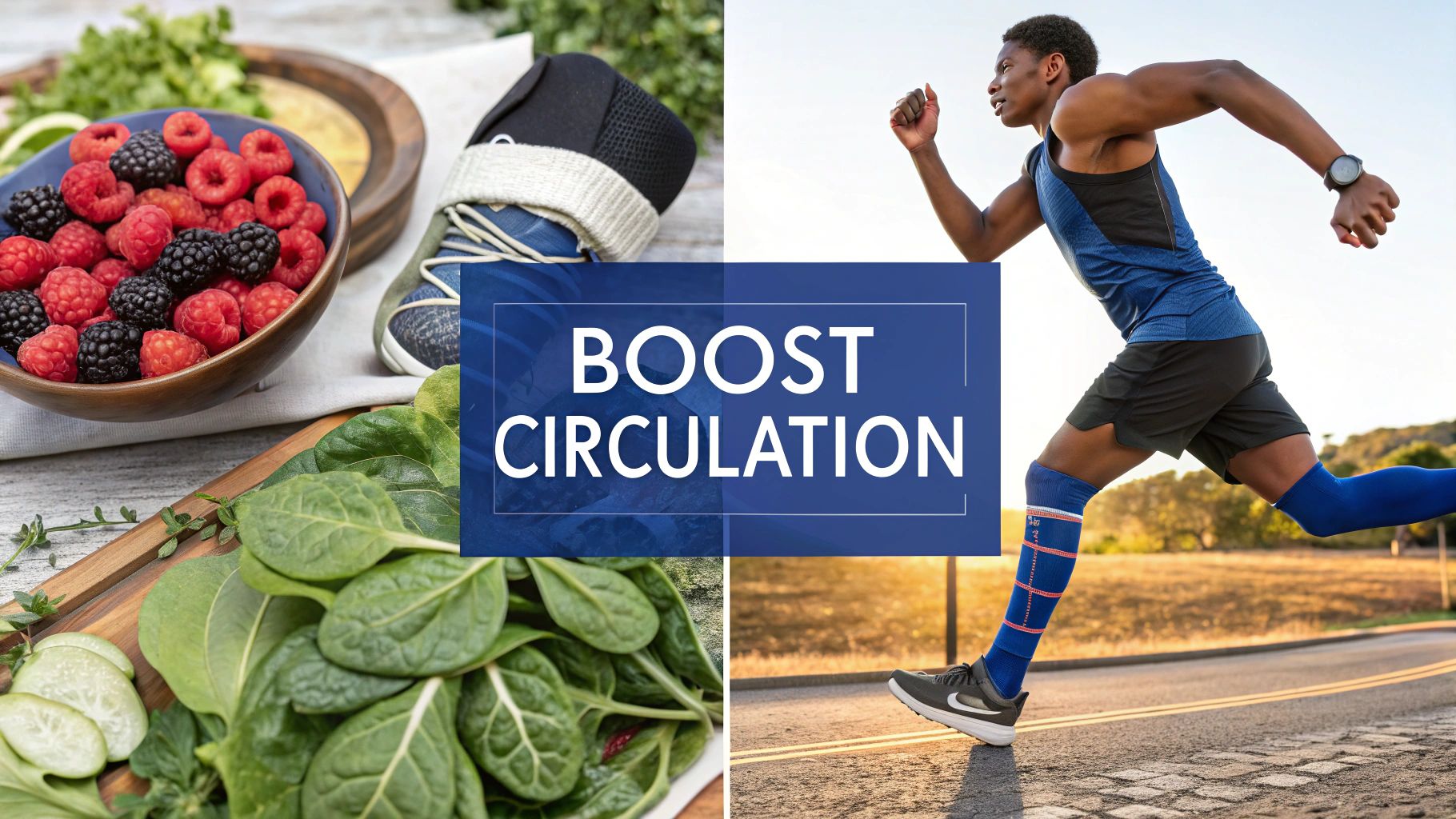
Blood circulation is the body's essential delivery system, a complex network responsible for transporting oxygen, nutrients, and hormones to every cell. It simultaneously clears away metabolic waste, making its efficiency a cornerstone of overall health, from cognitive function and energy levels to physical recovery and skin vitality. When this system operates at its peak, we feel energized, focused, and resilient. Conversely, suboptimal circulation can manifest as fatigue, cold hands and feet, muscle cramps, and delayed healing.
While factors like genetics and age play a role, our daily choices hold immense power to enhance vascular performance. This comprehensive guide moves beyond generic advice to provide a detailed, actionable roadmap. We will explore 10 distinct and effective ways to improve blood circulation naturally, equipping you with the knowledge to implement these strategies effectively. Each item is designed for practical application, whether you are an athlete fine-tuning performance, a wellness clinic expanding its service offerings, or an individual seeking to boost vitality.
This listicle breaks down foundational habits like targeted exercise and specific nutritional strategies, alongside advanced techniques such as contrast therapy, specialized breathwork, and non-invasive recovery technologies. You will learn not just what to do, but how these methods work and the best ways to integrate them into a professional or personal wellness routine for tangible, lasting results. Let's delve into the methods that can revitalize your body's internal river of life.
1. Regular Cardiovascular Exercise
Regular cardiovascular exercise is a foundational strategy for anyone seeking ways to improve blood circulation naturally. Aerobic activities elevate your heart rate, strengthening the cardiac muscle and enhancing its ability to pump oxygenated blood efficiently throughout your body. This process encourages blood vessels to expand (vasodilation), which reduces blood pressure and improves the delivery of vital nutrients to your muscles and organs. Beyond the immediate effects, consistent training triggers long-term adaptations that build a more resilient cardiovascular system.
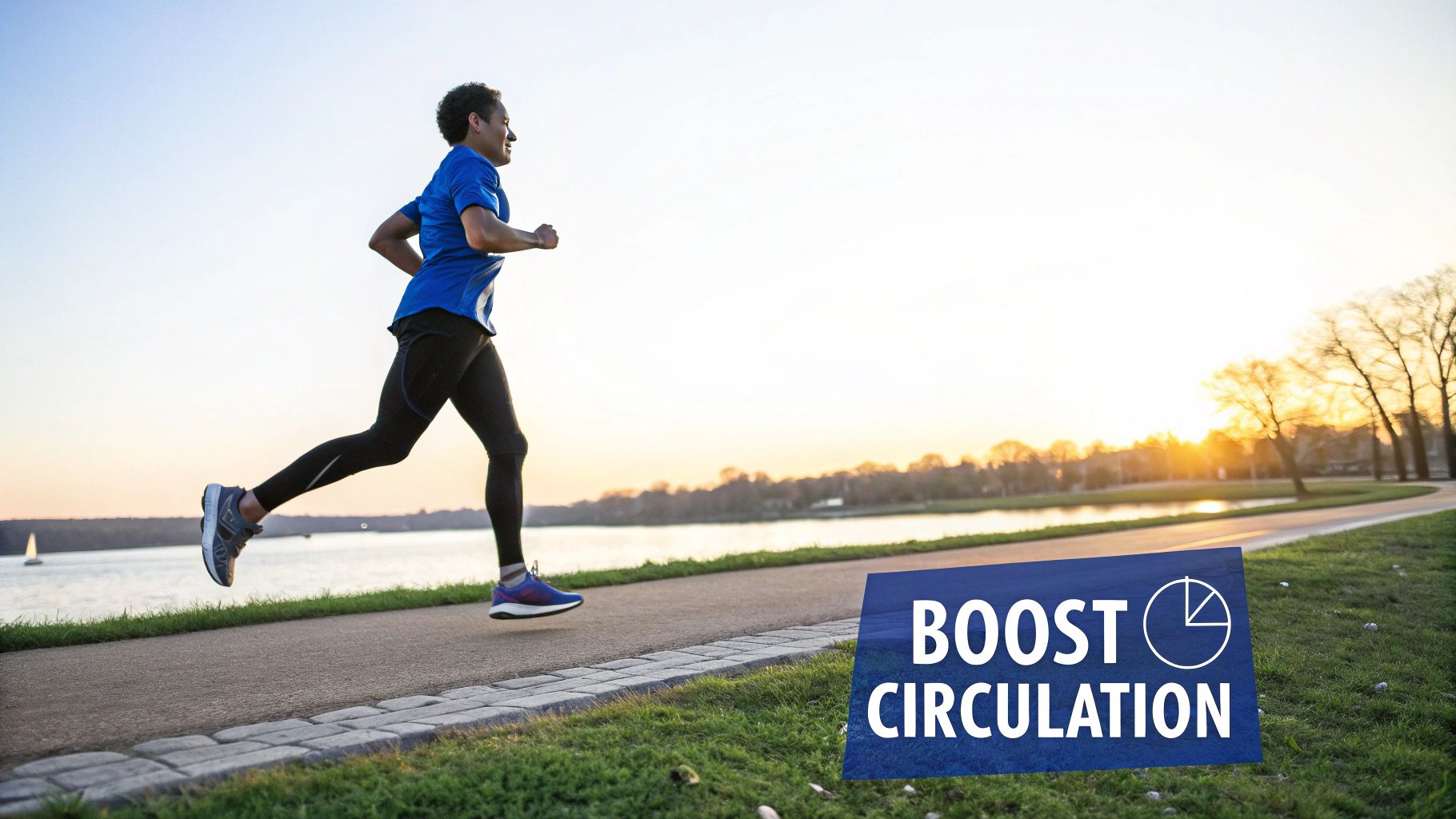
Consistent cardio training not only boosts circulation during the activity itself but also leads to lasting improvements in your circulatory system's baseline function. It promotes the growth of new capillaries, the smallest blood vessels, creating more pathways for blood to reach tissues. This process, known as angiogenesis, creates a denser vascular network, ensuring that oxygen and nutrients can reach every cell more effectively, even at rest. Regular cardio also improves endothelial function—the health of the inner lining of your blood vessels—making them more flexible and responsive to the body's demands.
How to Implement Cardiovascular Exercise
Start by incorporating activities you enjoy, which increases the likelihood of long-term adherence. The goal is to elevate your heart rate into a moderate-intensity zone where you can still hold a conversation but are noticeably breathing harder. This ensures you're stimulating your cardiovascular system without over-exerting yourself, making the habit sustainable.
- For Beginners: Aim for the recommended 150 minutes of moderate-intensity aerobic activity per week. This can be broken down into 30-minute sessions five days a week. Activities like brisk walking, cycling on flat terrain, or using an elliptical machine are excellent starting points because they are low-impact yet effective.
- For Athletes and Clinics: Wellness centers can create circulation-focused circuits combining treadmills, rowing machines, and stationary bikes. Athletic departments can pair rigorous cardio training with advanced recovery technologies like the Vacustyler® to amplify post-workout blood flow restoration and clear metabolic waste more efficiently, accelerating recovery and preparing the body for the next training session.
Actionable Tips for Optimal Results
To maximize the circulatory benefits of your cardio routine, consider these specific strategies:
- Vary Your Workouts: Combine different types of cardio, such as running, swimming, and cycling. This cross-training approach prevents overuse injuries and keeps your body adapting. Different modalities challenge muscles in unique ways, promoting more comprehensive vascular development.
- Monitor Intensity: Use a heart rate monitor to ensure you are training in the optimal zone. For more advanced athletes, tracking heart rate variability (HRV) can provide insights into recovery status and help tailor workout intensity, preventing overtraining and ensuring each session is productive.
- Gradual Progression: Systematically increase the duration or intensity of your workouts over several weeks to avoid burnout and allow your cardiovascular system to adapt safely. This systematic approach is key to achieving long-term improvements in blood circulation and overall fitness.
2. Yoga and Stretching Practices
Yoga and stretching practices are potent ways to improve blood circulation naturally by enhancing flexibility and relieving muscular tension. The combination of dynamic flows, deep stretches, and mindful breathing works synergistically to open up blood vessels, especially in areas that can become constricted from a sedentary lifestyle. This process not only improves arterial flow but also supports lymphatic drainage and venous return, the process of returning deoxygenated blood back to the heart. When muscles are tight, they can physically compress arteries and veins, impeding flow. Stretching releases this pressure.
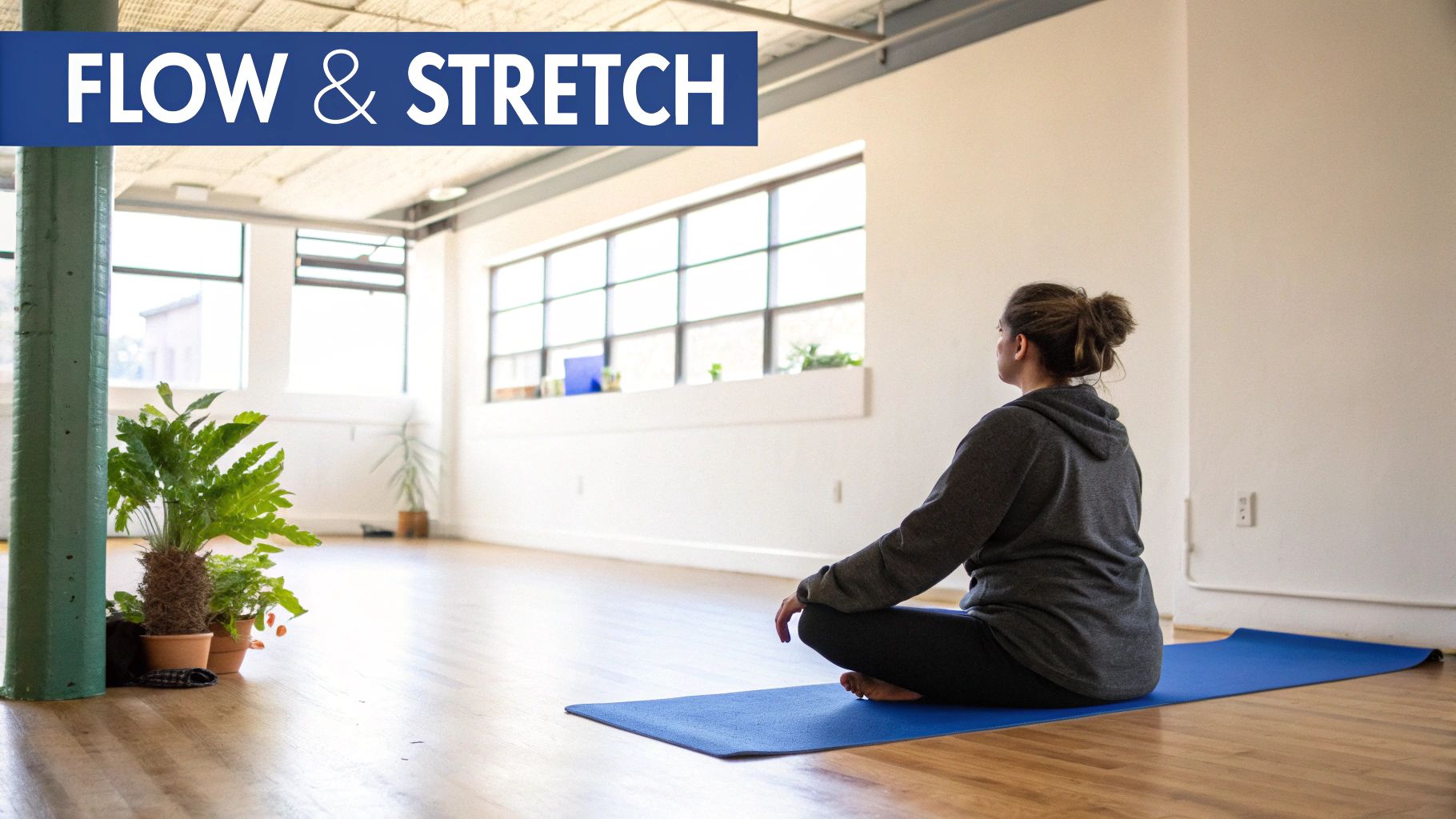
Poses that invert the body, such as Downward-Facing Dog or Legs-Up-The-Wall, use gravity to encourage blood flow from the lower extremities back toward the heart. This assists the venous system, which has to work against gravity all day. Furthermore, the focus on synchronized breathwork activates the parasympathetic nervous system, countering stress-induced vasoconstriction (the narrowing of blood vessels) and promoting a state of relaxation conducive to healthy circulation. Stress hormones like cortisol can tighten vessels, and yoga is a direct antidote.
How to Implement Yoga and Stretching
Integrating yoga doesn't require advanced flexibility; consistency is more important than complexity. The key is to choose a style that aligns with your goals, from gentle, restorative holds to more active, flowing sequences. The aim is to create space in the body and calm the mind.
- For Beginners: Start with 20-30 minutes of daily practice. Focus on foundational poses like Cat-Cow for spinal flexibility, gentle forward folds to lengthen hamstrings, and hip-opening poses like Pigeon Pose to release tension in the lower body. Hatha or Restorative yoga classes are excellent for building a base and learning proper alignment.
- For Athletes and Clinics: Wellness centers can offer circulation-focused yoga classes that specifically target areas prone to stiffness, such as the hips and shoulders. For enhanced results, these sessions can be scheduled immediately before a treatment with the Vacustyler®, as the pre-stretched muscles and warmed tissues are primed for the device's circulatory benefits, allowing for deeper and more effective therapy.
Actionable Tips for Optimal Results
To get the most out of your practice, focus on intention and proper form to effectively boost your circulatory system.
- Prioritize Inversions: Safely incorporate at least two or three inversion poses into your weekly routine to assist venous return. Beginners can start with simple poses like Legs-Up-The-Wall before progressing to more challenging ones like a shoulder stand, always listening to their body.
- Synchronize Breath with Movement: Consciously link your inhales and exhales with each movement. This calms the nervous system and deepens the physiological benefits of each pose, turning a physical practice into a holistic one.
- Focus on Lower Body: Dedicate extra time to poses that open the hips, hamstrings, and calves, as these are critical areas for preventing blood stagnation, especially for individuals who sit or stand for long periods.
3. Hydration and Water Consumption
Proper hydration is a cornerstone among the ways to improve blood circulation naturally, yet it is often overlooked. Your blood plasma, the liquid medium that carries blood cells, nutrients, and hormones, is composed of about 90% water. Maintaining adequate fluid intake ensures your blood remains at an optimal viscosity, allowing it to flow freely through arteries and veins with minimal resistance. Dehydration, in contrast, thickens the blood, forcing your heart to work harder and hindering the efficient delivery of oxygen to your tissues. This increased cardiac strain can elevate blood pressure and reduce endurance.
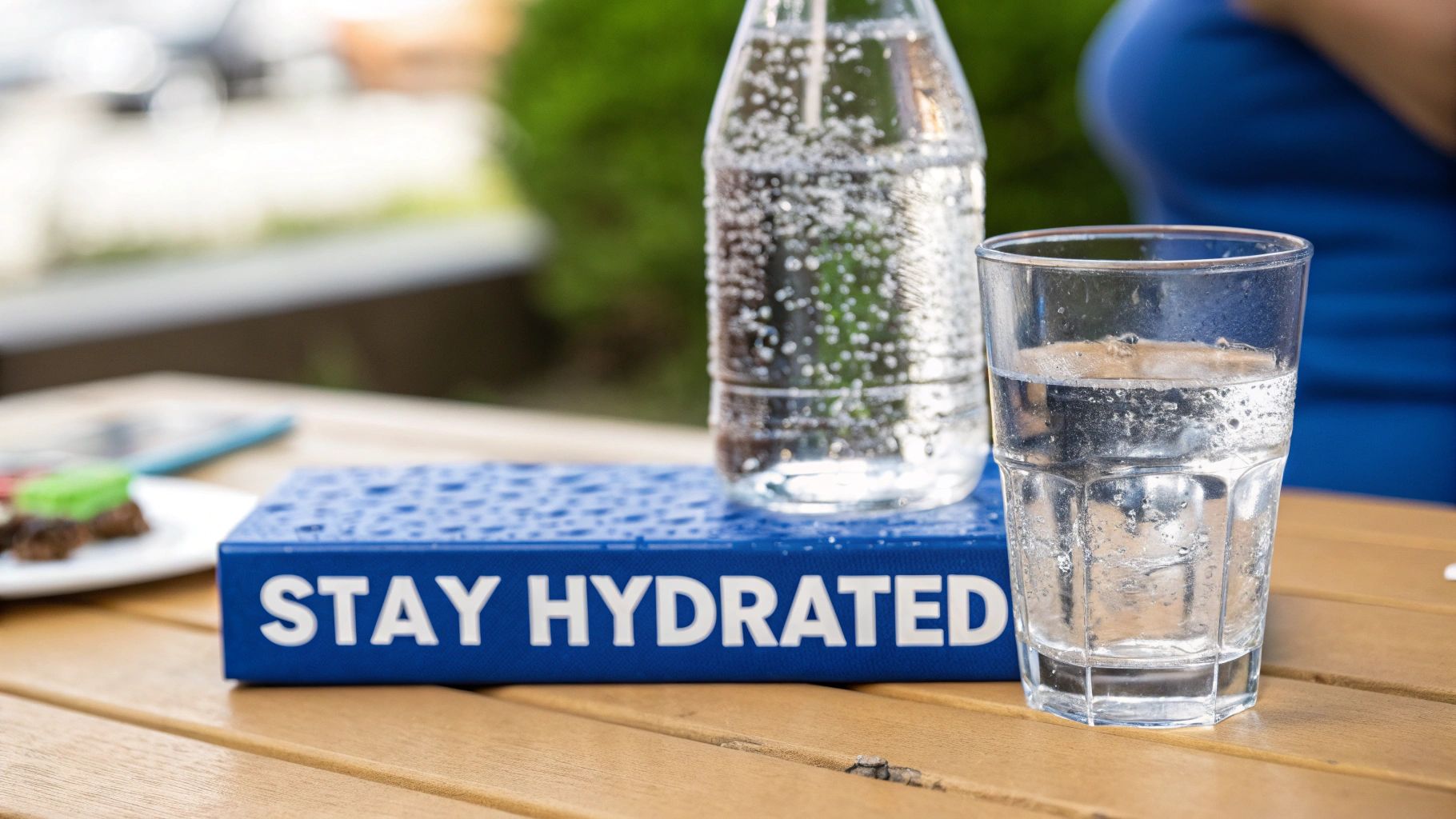
This fundamental principle directly impacts cardiovascular health and the effectiveness of other circulatory enhancement methods. Well-hydrated blood can more effectively transport nutrients and flush out metabolic waste products, which is crucial for cellular function and overall vitality. Think of your circulatory system as a river; without enough water, it becomes sluggish and clogged. Proper hydration keeps the river flowing smoothly, ensuring all metabolic processes run efficiently.
How to Implement Proper Hydration
Integrating a consistent hydration strategy is simple but requires conscious effort. The goal is to maintain a steady intake throughout the day to support continuous circulatory efficiency rather than playing catch-up when you feel thirsty. Thirst is often a lagging indicator of dehydration.
- For Beginners: Start with a baseline goal of drinking 8-10 glasses (64-80 ounces) of water daily. Use a reusable water bottle marked with measurements to track your intake and serve as a visual reminder. Set timers on your phone or computer if needed.
- For Athletes and Clinics: Athletic departments can establish hydration protocols that pair water and electrolyte intake with advanced recovery sessions. For instance, athletes can be advised to hydrate thoroughly 30-60 minutes before a Vacustyler® treatment to maximize its circulatory benefits, as optimal blood volume enhances the therapy’s effectiveness by ensuring there is sufficient fluid for the vacuum pressure to mobilize.
Actionable Tips for Optimal Results
To transform hydration from a passive habit into an active tool for circulatory health, apply these targeted strategies:
- Drink Proactively: Don't wait until you feel thirsty, as thirst is an early sign of dehydration. Sip water consistently throughout the day to maintain steady blood plasma levels and support kidney function.
- Replenish Electrolytes: During and after intense exercise or significant sweating, add electrolytes like sodium, potassium, and magnesium to your water. These minerals are vital for fluid balance and nerve function, which support cardiovascular regulation and prevent cramps.
- Monitor Your Body's Feedback: A simple and effective way to check hydration status is to monitor your urine color. A pale, straw-like yellow indicates you are well-hydrated, while darker shades suggest you need to increase your fluid intake.
4. Massage and Myofascial Release
Massage and myofascial release are powerful manual techniques that serve as excellent ways to improve blood circulation naturally. By applying direct pressure to muscles and the surrounding connective tissue (fascia), these methods mechanically stimulate blood flow. This action helps break down adhesions, release chronic muscle tension, and flush stagnant fluids, allowing nutrient-rich, oxygenated blood to better penetrate the tissues and accelerate recovery. Think of it as manually clearing logjams in your body's vascular pathways.

Whether through professional sports massage or self-guided foam rolling, the goal is to alleviate blockages that impede circulation. This not only enhances immediate blood flow but also supports lymphatic drainage, a critical component of the body's detoxification and immune response. The lymphatic system, which lacks its own pump, relies on muscle movement and external pressure to move fluid. For a deeper understanding of this parallel system, you can learn more about the role of lymphatic drainage in holistic wellness.
How to Implement Massage and Myofascial Release
Integrating these techniques requires a focus on consistency and proper application. The pressure should be firm but manageable, aiming to release tension rather than cause sharp pain. The sensation should be one of a "good hurt" that subsides as the muscle relaxes.
- For Beginners: Start with self-myofascial release using tools like foam rollers or massage balls. Dedicate 1-2 minutes per major muscle group, focusing on areas prone to tightness like the calves, glutes, quads, and upper back. This can be done daily, either pre-workout to warm up tissues or post-workout to kickstart recovery.
- For Athletes and Clinics: Wellness centers can integrate manual massage as a premium service, creating protocols that combine it with technology. For example, an athletic trainer might use targeted massage on a player's legs before a Vacustyler® session to first manually break up fascia and then use vacuum therapy to maximize circulatory enhancement and lymphatic drainage.
Actionable Tips for Optimal Results
To get the most out of your massage and myofascial release routine, consider these specific strategies:
- Focus on Lower Body: To combat the effects of gravity and sedentary behavior, prioritize the calves, hamstrings, and glutes, as these areas are crucial for venous return. Releasing tension here can have a significant impact on overall circulation.
- Time Your Sessions: For post-workout recovery, schedule a massage or a thorough rolling session within 6 to 24 hours of intense exercise to effectively reduce muscle soreness (DOMS) and inflammation.
- Hydrate Adequately: Drink plenty of water after a massage to help your system flush out the metabolic waste that was released from your muscle tissues during the session. This supports the detoxification process initiated by the massage.
5. Intermittent Fasting and Nutritional Timing
Strategic eating patterns, such as intermittent fasting and precise nutritional timing, can trigger powerful metabolic adaptations that improve blood circulation naturally. During fasting periods, the body initiates cellular cleanup processes like autophagy and enhances mitochondrial function, which are crucial for the health of blood vessels. This approach strengthens vascular walls and optimizes the delivery of nutrients, making it an effective strategy for boosting circulatory efficiency from a cellular level. It's not just what you eat, but when you eat.
This metabolic shift improves endothelial function, the health of the cells lining your blood vessels, allowing them to relax and contract more effectively. Fasting has been shown to improve insulin sensitivity, which reduces chronic inflammation and oxidative stress—two major culprits in vascular damage. By timing nutrient intake around exercise or recovery periods, you can also optimize blood glucose levels and ensure amino acids are delivered efficiently, further supporting both circulation and muscle repair.
How to Implement Intermittent Fasting and Nutritional Timing
The key to success is a gradual and personalized approach that aligns with your lifestyle and performance goals. Start with shorter fasting windows and pay close attention to how your body responds before extending them. This is not about severe calorie restriction, but about consolidating your eating into a specific window.
- For Beginners: Start with a simple 12:12 or 14:10 fasting protocol (12-14 hours of fasting, 10-12 hours of eating). A common method is to finish dinner by 8 p.m. and have your first meal the next day around 10 a.m. or noon. Focus on consuming nutrient-dense foods during your eating window.
- For Athletes and Clinics: Wellness centers can guide clients through advanced protocols like the 16:8 method. Longevity clubs and biohacking studios often pair 24 to 36-hour fasts with recovery technologies. Scheduling a Vacustyler® session during a fasted state can enhance circulatory benefits without the digestive system competing for blood flow, allowing for a more profound systemic effect.
Actionable Tips for Optimal Results
To get the most out of your fasting and timing strategy, integrate these practical tips into your routine:
- Maintain Hydration: Drink plenty of water and consider electrolyte supplements (without calories) during your fasting window to prevent dehydration and maintain mineral balance.
- Time Your Workouts: Schedule intense exercise either late in your fasting period or during your fed state to ensure you have adequate energy for performance and nutrients available for recovery. Light exercise like walking can be done anytime.
- Prioritize Nutrient Quality: When you do eat, focus on high-quality protein, healthy fats, and micronutrient-rich vegetables to support vascular health and overall recovery. Break your fast with a balanced meal to replenish your system effectively.
6. Cold and Heat Therapy (Contrast Exposure)
Alternating between hot and cold temperatures is a powerful, dynamic method among the ways to improve blood circulation naturally. This technique, known as contrast therapy, forces blood vessels to rapidly constrict (vasoconstriction) in the cold and expand (vasodilation) in the heat. This "pumping" action strengthens the vascular walls, reduces inflammation, and enhances overall circulatory efficiency by pushing stagnant fluid out and drawing fresh, oxygenated blood in. It’s like a workout for your blood vessels.
This process trains your circulatory system to be more responsive and resilient. The heat from a sauna or hot bath promotes blood flow to the skin and muscles, while the subsequent cold plunge drives blood back toward the core organs. This repeated cycle effectively flushes metabolic waste like lactic acid and delivers nutrients, accelerating recovery and boosting systemic circulation. The intense stimulation also triggers a release of endorphins and norepinephrine, boosting mood and alertness.
How to Implement Contrast Therapy
The key to contrast therapy is the systematic rotation between temperatures. While professional facilities offer advanced options like cryotherapy chambers and infrared saunas, this practice can be easily adapted for home or clinic use with simple tools.
- For Beginners: Start with milder temperature differences to allow your body to adapt. A simple approach is alternating between a hot shower (3-4 minutes) and a cool or cold shower (1 minute), repeating the cycle 3-5 times. End with cold for an invigorating effect or warm to relax.
- For Athletes and Clinics: Wellness centers can create powerful recovery protocols by combining different modalities. An effective sequence could involve an infrared sauna session followed by a cold plunge, which significantly enhances circulation. This pairs well with other non-invasive technologies; for instance, some therapies like red light therapy for legs can be used in conjunction to support cellular health and blood flow.
Actionable Tips for Optimal Results
To safely and effectively leverage contrast therapy for better circulation, follow these guidelines:
- Follow a Protocol: A common and effective protocol is 3-5 minutes of heat followed by 1-2 minutes of cold. Repeat this cycle 3-5 times, always ending on a warm or hot exposure to promote relaxation if using before bed.
- Time It Right: For post-workout recovery, schedule contrast therapy 4-6 hours after intense exercise to avoid blunting the natural inflammatory response needed for muscle adaptation. Using it on recovery days is also highly effective.
- Stay Hydrated: Both heat and cold exposure can affect hydration levels. Drink plenty of water and consider adding electrolytes, especially after a sauna session, to maintain proper fluid balance and support cardiovascular function.
- Progress Gradually: Slowly increase the duration of your cold exposure as your tolerance builds. Never push past your body's limits; the process should feel challenging but manageable, not painful.
7. Compression Garments and Graduated Compression
Compression garments are a highly effective tool for those looking for ways to improve blood circulation naturally, especially in the limbs. These scientifically designed garments apply graduated pressure, meaning they are tightest at the extremity (like the ankle) and gradually become less constrictive higher up the limb. This pressure gradient helps counteract gravity, promoting venous return and preventing blood from pooling in the lower legs and feet. This is particularly beneficial for those who stand or sit for long periods.
By applying external pressure, compression technology enhances the efficiency of your circulatory system. It supports the walls of your veins, improves valve function, and accelerates the removal of metabolic waste from muscle tissue. This not only boosts circulation but also reduces swelling (edema), alleviates muscle soreness, and can decrease the risk of conditions like deep vein thrombosis (DVT) during long flights or periods of immobility. It acts as a supportive layer for your entire vascular structure.
How to Implement Compression
Proper selection and use are key to unlocking the benefits of compression. The pressure is measured in millimeters of mercury (mmHg), with different levels suited for various needs, from general wellness to post-surgical recovery.
- For Beginners: Start with mild compression (15-20 mmHg) socks or sleeves for daily wear, travel, or after moderate exercise. This level is excellent for reducing leg fatigue and minor swelling associated with prolonged sitting or standing.
- For Athletes and Clinics: Athletic departments can integrate moderate (20-30 mmHg) compression wear into their post-training protocols. Pairing compression garments with sessions in the Vacustyler® can create a powerful synergistic effect, where the intermittent negative pressure therapy actively enhances circulation and the compression garments sustain those benefits for hours afterward. This combination is one of the best recovery tools for athletes seeking a competitive edge.
Actionable Tips for Optimal Results
To get the most out of your compression wear, follow these best practices for fit, timing, and integration:
- Select the Right Pressure: Choose your mmHg level based on your goal: 15-20 for general wellness, 20-30 for athletic recovery and pronounced swelling, and 30-40 for medical indications under a doctor's guidance.
- Ensure a Proper Fit: Measure your limbs according to the manufacturer's guidelines. The garment should feel snug but not painful, with no bunching or wrinkling that could create a tourniquet effect and impede circulation.
- Time Your Use: For post-exercise recovery, wear compression for at least 4-8 hours after intense activity or throughout your recovery days to manage inflammation and support blood flow. For travel, put them on before your flight.
8. Herbal and Nutritional Supplements for Circulation
Targeting your circulatory health from a nutritional angle can powerfully complement physical strategies. Specific herbal and nutritional supplements are known to support vascular function, improve blood flow, and protect vessels from oxidative stress. These compounds work through diverse mechanisms, from boosting nitric oxide (NO) production for vasodilation to providing anti-inflammatory benefits that support overall cardiovascular integrity. Nitric oxide is a key molecule that signals arteries to relax, increasing blood flow.
Incorporating these natural agents can provide the metabolic building blocks your body needs for a robust circulatory system. When combined with other methods like exercise and hydration, this approach creates a synergistic effect, addressing circulation from both the inside out and the outside in, making it a key component of a comprehensive wellness plan. They provide the raw materials for vascular health.
How to Implement Herbal and Nutritional Supplements
Strategic supplementation can enhance the body's natural ability to maintain healthy blood flow. Focus on well-researched compounds that support specific circulatory pathways, such as vasodilation and inflammation reduction. Always choose high-quality supplements from reputable brands.
- For Beginners: Start by introducing one or two key supplements into your routine. A great starting point is consuming beet juice or powder for its nitrate content, which converts to nitric oxide, or adding turmeric with black pepper to meals for its anti-inflammatory properties.
- For Athletes and Clinics: Wellness centers can create protocols that pair supplementation with advanced therapies. For instance, recommending L-citrulline pre-workout followed by a Vacustyler® session post-workout can maximize nitric oxide production and amplify its circulation-enhancing effects. This is a powerful combination for performance and recovery.
Actionable Tips for Optimal Results
To get the most out of supplementation, focus on dosage, quality, and strategic timing. Always consult a healthcare provider before starting a new supplement regimen, especially if you have existing health conditions or take medications.
- Boost Nitric Oxide: Consume 6-8 grams of L-Citrulline or 500ml of beet juice before physical activity to enhance vasodilation and performance.
- Manage Inflammation: Take 1,000-1,500mg of curcumin (from turmeric) daily, ensuring it contains piperine (black pepper extract) for optimal absorption. Ginger and omega-3 fatty acids are also potent anti-inflammatories.
- Protect Blood Vessels: Enjoy 20-30g of dark chocolate (70%+ cocoa) daily for its flavonoid content, which supports endothelial function and offers potent antioxidant benefits. Consider a grape seed extract supplement for similar effects.
9. Breathing Techniques and Breathwork Practices
Deliberate breathing is one of the most direct and potent ways to improve blood circulation naturally by influencing your autonomic nervous system. Controlled breathwork practices shift your body from a stress-induced "fight-or-flight" (sympathetic) state to a "rest-and-digest" (parasympathetic) state. This transition lowers heart rate, reduces vascular tension, and optimizes the delivery of oxygenated blood to your tissues. When you are stressed, your blood vessels constrict; deep breathing reverses this.
Techniques like diaphragmatic breathing engage the respiratory pump, where the movement of your diaphragm creates pressure changes that help push venous blood from your lower body back toward the heart. This mechanical action complements the physiological benefits, enhancing both oxygen uptake in the lungs and overall circulatory efficiency. This powerful mechanism essentially helps massage your internal organs and major blood vessels with every deep breath.
How to Implement Breathing Techniques
Integrating structured breathwork into your daily routine requires minimal time but offers significant circulatory rewards. The focus is on slow, controlled, and deep breathing patterns that maximize lung capacity and calm the nervous system. The goal is to make this an automatic response to stress.
- For Beginners: Start with simple diaphragmatic (belly) breathing for 5-10 minutes each day. Lie on your back, place one hand on your chest and the other on your stomach, and breathe in slowly through your nose, allowing your stomach to rise while your chest remains still. Exhale slowly through pursed lips.
- For Athletes and Clinics: Wellness centers can guide clients through a "box breathing" sequence (4-second inhale, 4-second hold, 4-second exhale, 4-second hold) before a recovery session. Athletic departments can teach athletes the Wim Hof method to enter a deep parasympathetic state before using recovery tech like the Vacustyler®, enhancing its circulatory benefits by priming the body for relaxation and blood flow.
Actionable Tips for Optimal Results
To maximize the impact of your breathwork practice on blood circulation, consider these specific strategies:
- Practice Consistency: Perform a short breathing routine (5-10 minutes) upon waking and before bed to regulate your nervous system and promote consistent circulatory health throughout the day and night.
- Use Specific Protocols: Try the 4-7-8 technique for deep relaxation: inhale through your nose for 4 seconds, hold your breath for 7 seconds, and exhale completely through your mouth for 8 seconds. Repeat for 3-5 cycles to rapidly lower blood pressure and heart rate.
- Focus on Nasal Breathing: Whenever possible, breathe in and out through your nose. Nasal breathing warms, humidifies, and filters the air while increasing nitric oxide production in the sinuses, a potent vasodilator that improves blood flow.
10. Movement Variety and Active Recovery Practices
Engaging in a diverse range of movements is a powerful way to improve blood circulation naturally, preventing the adaptive plateaus that can occur with repetitive exercise. Incorporating activities like swimming, tai chi, and dancing alongside traditional workouts ensures that different muscle groups and vascular beds are stimulated. This approach is complemented by active recovery, which involves low-intensity movement on non-training days to promote circulation, deliver nutrients, and clear metabolic byproducts without adding significant stress. It keeps the blood flowing when you're not formally "working out."
Movement variety and active recovery work together to optimize circulatory health system-wide. By challenging the body with different neuromuscular patterns, you enhance its overall efficiency and prevent imbalances or tight spots from developing. Active recovery then acts as a crucial maintenance period, ensuring the circulatory system can repair and strengthen itself effectively, leading to more robust and responsive blood flow over time. It's the difference between building a healthy system and constantly breaking it down.
How to Implement Movement Variety and Active Recovery
The key is to integrate low-impact, restorative activities into your weekly routine, especially on days between intense training sessions. This strategy keeps your blood moving without fatiguing your muscles, accelerating recovery and enhancing overall performance. This is not "junk mileage" but a strategic component of a healthy lifestyle.
- For Beginners: Designate one or two days a week as "active recovery" days. On these days, engage in 20-40 minutes of light movement, such as a brisk walk, gentle swimming, or a beginner-level tai chi class. The focus should be on enjoyment and gentle motion, not performance.
- For Athletes and Clinics: Athletic departments can rotate athletes through different recovery modalities like swimming and walking on non-training days to maintain circulation without joint stress. Wellness centers can offer diverse class schedules, pairing yoga and pilates with sessions in the Vacustyler® to create a comprehensive circulation and recovery protocol that supports clients' varied training regimens.
Actionable Tips for Optimal Results
To get the most out of this approach, thoughtfully schedule your activities and listen to your body’s needs.
- Rotate Your Modalities: Aim to cycle through 4-5 different types of movement each month. This could include walking, swimming, pilates, and dancing to ensure a well-rounded stimulus for your circulatory system and prevent mental burnout.
- Prioritize Low-Impact Options: Swimming is an excellent full-body, no-impact activity that boosts circulation. The hydrostatic pressure of the water also acts like a full-body compression garment. Tai chi combines gentle movement with deep breathing to activate the parasympathetic nervous system, further aiding recovery.
- Keep it Conversational: During active recovery, your intensity should be low enough to comfortably hold a conversation. This ensures you are promoting blood flow without adding training stress, which is crucial for natural circulation improvement.
Comparison of 10 Natural Circulation Methods
| Method | 🔄 Implementation complexity | ⚡ Resource requirements | ⭐ Expected outcomes | 📊 Ideal use cases | 💡 Key advantages / brief tip |
|---|---|---|---|---|---|
| Regular Cardiovascular Exercise | 🔄 Moderate — needs routine and progression | ⚡ Low — minimal equipment, variable by modality | ⭐⭐⭐⭐ — immediate & long-term circulation improvements | General cardiovascular health, weight management, athlete conditioning | Strengthens cardiac output and vasodilation; tip: 150 min/wk of moderate activity |
| Yoga and Stretching Practices | 🔄 Low–Moderate — technique and consistency required | ⚡ Low — mat/classes optional | ⭐⭐⭐ — improves venous return and flexibility over time | Mobility, stress reduction, low-impact recovery | Enhances parasympathetic tone and flexibility; tip: include inversions safely |
| Hydration and Water Consumption | 🔄 Low — habit-based | ⚡ Minimal — water ± electrolytes | ⭐⭐⭐⭐ — rapid effect on blood viscosity and flow | Daily baseline support, pre/post-exercise hydration | Immediate impact on viscosity and transport; tip: ~64–80 oz/day baseline |
| Massage and Myofascial Release | 🔄 Moderate — needs skill or therapist | ⚡ Medium — tools or professional cost | ⭐⭐⭐ — targeted, immediate local circulation gains | Post-exercise recovery, focal muscle restrictions | Breaks adhesions and reduces DOMS; tip: 1–2 min per muscle group with rollers |
| Intermittent Fasting & Nutritional Timing | 🔄 Moderate — schedules and monitoring | ⚡ Low — dietary planning, minimal cost | ⭐⭐⭐ — metabolic and endothelial benefits over weeks/months | Metabolic health, longevity strategies, body composition | Improves insulin sensitivity and VEGF activation; tip: start 12–14 h fasting |
| Cold & Heat Therapy (Contrast Exposure) | 🔄 Moderate — protocol and acclimation needed | ⚡ Medium–High — access to plunge/sauna/cryotherapy | ⭐⭐⭐⭐ — rapid vasomotor and inflammation effects | Athletic recovery, inflammation control, vascular conditioning | Strong vasoconstriction/dilation stimulus; tip: 3–5 cycles, end warm |
| Compression Garments & Graduated Compression | 🔄 Low — wear and correct fitting | ⚡ Low — one-time purchase, reusable | ⭐⭐⭐ — improves venous return and reduces pooling | Recovery, long travel, prolonged standing, post-exercise use | Passive, evidence-backed circulation aid; tip: select correct mmHg and fit |
| Herbal & Nutritional Supplements | 🔄 Low — routine supplementation | ⚡ Medium — ongoing cost, quality variance | ⭐⭐⭐ — gradual vascular support (weeks–months) | Long-term vascular health, adjunct to physical methods | Supports NO and antioxidants; tip: check interactions and standardized doses |
| Breathing Techniques & Breathwork Practices | 🔄 Low — practice to master techniques | ⚡ Minimal — time and instruction | ⭐⭐⭐ — immediate autonomic and oxygenation benefits | Stress-related vasoconstriction, pre/post-recovery prep | Activates parasympathetic response quickly; tip: 5–10 min daily (diaphragmatic breathing) |
| Movement Variety & Active Recovery Practices | 🔄 Moderate — programming and variety planning | ⚡ Low–Medium — classes/space may be needed | ⭐⭐⭐⭐ — broad circulation benefits and injury prevention | Recovery days, cross-training, long-term adherence | Engages multiple vascular beds and prevents plateaus; tip: 1–2 active recovery days/week |
Integrating Natural Strategies for Next-Level Circulation
You've journeyed through a comprehensive collection of actionable methods, each a powerful tool in its own right for enhancing your body's vascular network. From the rhythmic pump of cardiovascular exercise to the subtle power of mindful breathing, it's clear that there are many effective ways to improve blood circulation naturally. However, the ultimate goal isn't to master just one of these techniques; it's to build a personalized, synergistic ecosystem where each habit amplifies the others.
True optimization is achieved not through isolated efforts but through strategic integration. Think of it as a holistic system. Your nutrition and hydration lay the essential biochemical foundation. Regular exercise and movement variety act as the primary engine, actively driving blood flow. Then, recovery practices like massage, thermal therapies, and targeted stretching fine-tune the system, reducing inflammation and improving vessel pliability. This multi-layered approach creates a resilient and highly efficient circulatory system that supports everything from cognitive function and energy levels to athletic performance and cellular repair.
Key Takeaways for Lasting Impact
As you move forward, focus on the interconnectedness of these strategies. A well-hydrated body, for instance, makes every workout more effective. Combining targeted supplements with a nutrient-dense diet ensures your vascular system has the raw materials it needs to thrive. The real transformation happens when these individual practices stop being separate tasks and become a unified part of your lifestyle.
The most critical takeaway is that you are in control. Poor circulation is not a passive state you must accept; it is an active system you can influence daily. By layering these natural methods, you compound the benefits, creating a positive feedback loop where improved circulation leads to more energy for exercise, which in turn further boosts circulation.
Your Actionable Next Steps
Feeling overwhelmed by the options? Don't be. The key is to start small and build momentum. Select two or three strategies from this guide that resonate most with you and seem easiest to integrate into your current routine.
- For the time-crunched professional: Start with a daily 10-minute stretching routine in the morning and focus on increasing your water intake throughout the workday.
- For the dedicated athlete: Integrate contrast therapy (hot/cold showers) after your training sessions and experiment with compression garments during recovery periods.
- For the wellness enthusiast: Begin incorporating specific breathwork practices into your daily meditation and explore adding circulation-boosting herbs like ginger or turmeric to your meals.
Track your progress. Notice how you feel. Do you have more energy in the afternoons? Is your post-workout recovery faster? This direct feedback will motivate you to continue layering in new habits. The value in mastering these approaches extends far beyond simply "better circulation." It translates to enhanced vitality, sharper mental clarity, and a profound sense of physical well-being. By taking proactive, natural steps, you are investing directly in your long-term health, performance, and overall quality of life.
Ready to elevate your circulation strategy with cutting-edge technology? The Vacustyler® Avantgarde from Weyergans HighCare US uses intermittent vacuum therapy to passively yet powerfully enhance blood flow, making it the perfect complement to the active methods discussed in this guide. Discover how you can offer your clients or athletes a scientifically-backed path to superior vascular health and recovery by visiting Weyergans HighCare US.