


That sudden flare-up of new blemishes right after a good facial can feel confusing, even a little alarming. But before you worry that the treatment backfired, take a breath. This is often a good sign.
What you're likely seeing is skin purging, a temporary but productive reaction. It means your facial is doing exactly what it was meant to do: speeding up your skin's renewal process and clearing out underlying congestion.
Is This Skin Purging or a Bad Breakout?
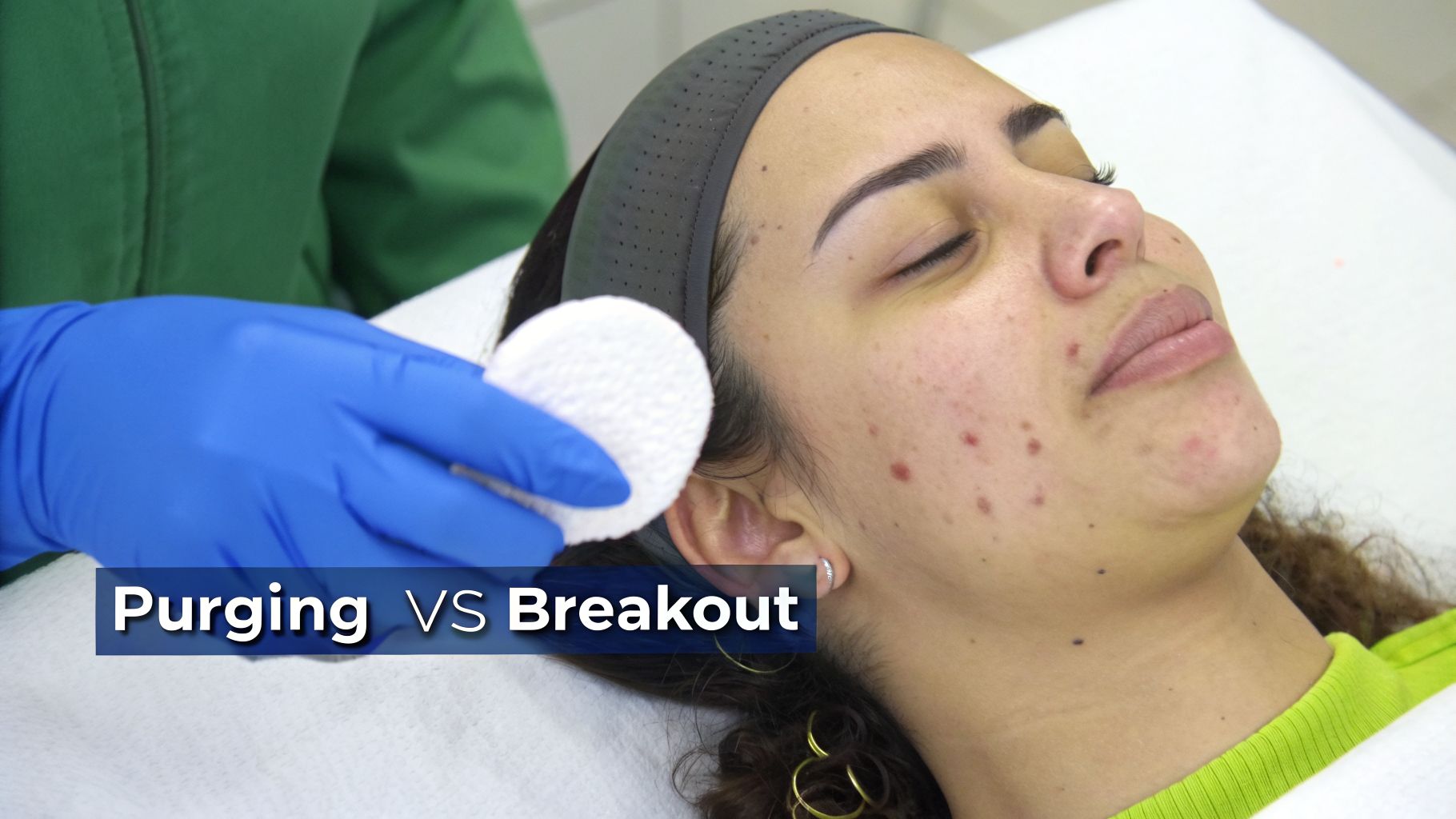
Understanding the "why" behind your post-facial skin is the first step toward feeling confident in the process. People often mistake a beneficial purge for a sign that their skin is getting worse.
Think of it like a deep "spring cleaning" for your pores. Professional treatments use potent ingredients and techniques to put your skin's natural cell turnover into high gear. This rapid renewal pushes everything that was already hiding just beneath the surface—stuck oil, dead skin cells, and microcomedones (the tiny seeds of future pimples)—up and out all at once.
A standard breakout, on the other hand, is a new problem. It’s typically triggered by something new, like stress, hormonal shifts, or a product that’s actively clogging your pores. These blemishes are new issues, not an evacuation of old ones.
How To Tell The Difference
The easiest way to tell what’s happening is by looking at the location and lifecycle of the blemishes. Purging almost always happens in the areas where you typically break out, like your T-zone or jawline. These spots also tend to clear up much faster than a standard pimple.
A regular breakout can show up in new, random places and will follow its own frustratingly slow timeline to heal.
While it can be annoying, skin purging is a short-term phase on the path to clearer, healthier skin. This process is especially common after treatments designed to deeply exfoliate and renew, like chemical peels. You can get a better sense of this by reading about what to expect when purging after a chemical peel.
Purging vs Breakout: A Quick Comparison
To help you quickly identify what's going on with your skin, here’s a simple table breaking down the key differences between a purge and a standard breakout.
| Characteristic | Skin Purging | Standard Breakout |
|---|---|---|
| Location | Appears in your usual breakout spots (e.g., forehead, chin). | Can pop up in new or random areas. |
| Duration | Pimples appear and disappear faster than usual. | Blemishes take longer to form and heal. |
| Cause | Caused by an increased cell turnover from a new product or treatment. | Triggered by clogged pores, bacteria, hormones, or stress. |
| Appearance | Often a mix of small whiteheads, blackheads, and pustules. | Can include deeper, more painful cysts or nodules. |
Knowing these distinctions can bring a lot of peace of mind. A purge isn't a setback; it’s a clear signal that your skin is actively adjusting and on its way to becoming healthier.
The Science Behind Why Your Skin Is Purging
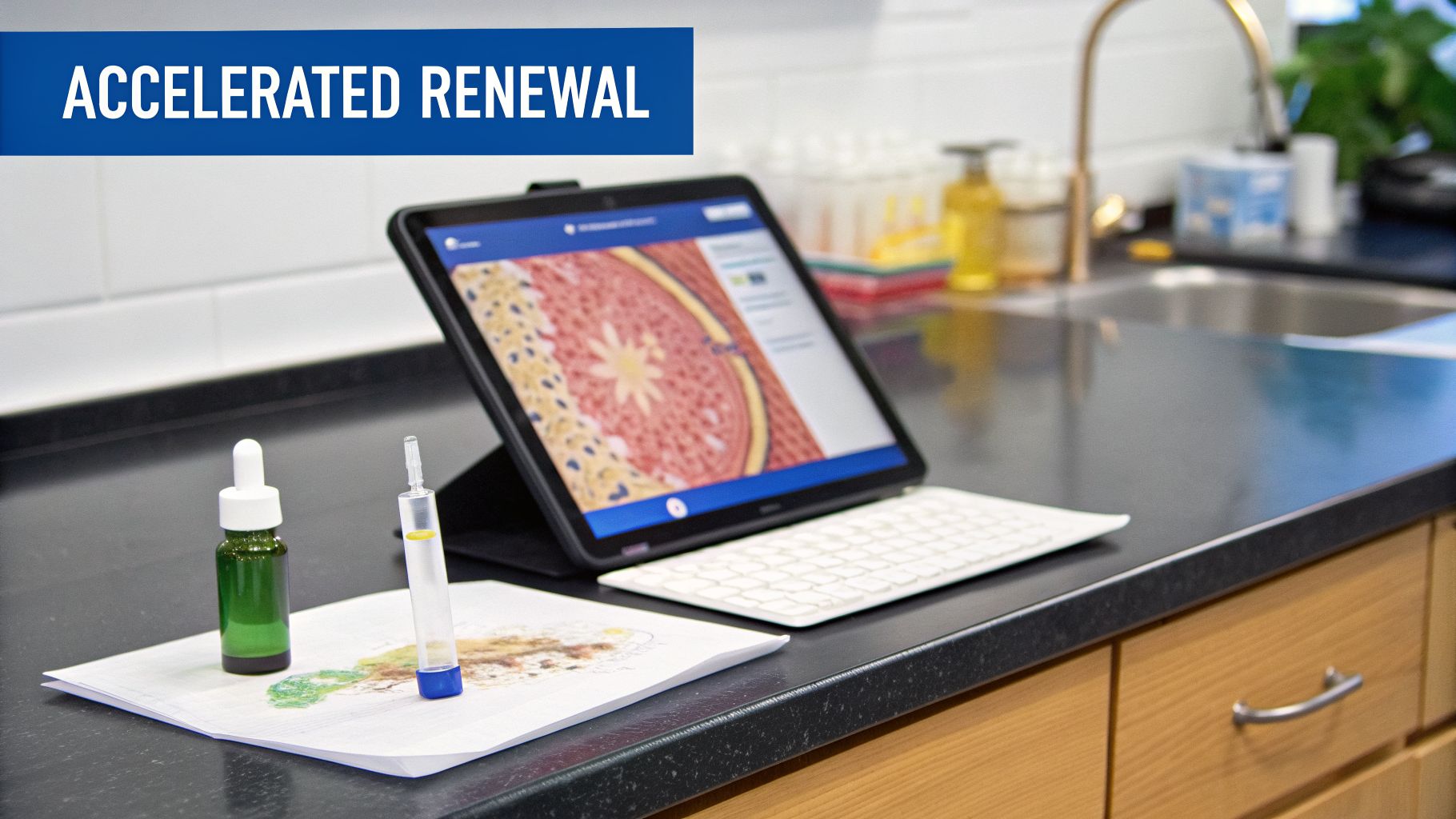
When your skin starts acting up after a great facial, it's easy to think something went wrong. But what you're seeing isn't a typical breakout—it's often a sign that the treatment is doing its job. This reaction, known as skin purging, comes down to one key process: an accelerated cell turnover rate.
Think of your skin’s cell production as a slow-moving conveyor belt, steadily bringing new cells to the surface as old ones are shed. It’s a quiet, orderly process. A professional facial, however, often introduces active ingredients that hit the fast-forward button on that entire system.
The Great Unclogging
Hidden deep within your pores are tiny, invisible blockages called microcomedones. They are the silent precursors to every pimple, blackhead, and whitehead, made of a simple mix of sebum (your skin’s oil) and dead skin cells.
On their own, these microcomedones might linger for weeks before surfacing as a blemish, or they might even clear up on their own. But when a facial dramatically speeds up cell turnover, it forces all that underlying congestion to the surface at once. It's a rapid, coordinated eviction of all the gunk that was waiting in the wings.
That sudden rush to the exit is what you see as a cluster of new blemishes. It’s not new acne being created; it’s old, hidden congestion making one final appearance before being cleared away for good.
Common Triggers For Accelerated Turnover
Not every facial will kickstart a purge. The ones that do almost always involve specific ingredients or techniques known for their exfoliating and renewing effects. These are the main catalysts:
- Chemical Exfoliants (AHAs & BHAs): Ingredients like glycolic acid (an AHA) and salicylic acid (a BHA) work by dissolving the "glue" that holds dead skin cells together. This action dramatically speeds up shedding and pushes underlying comedones to the surface.
- Retinoids: As derivatives of vitamin A, retinoids are champions of regulating cell turnover. The professional-strength versions used in facials can trigger a purging phase as they reset your skin’s renewal cycle.
- Physical Exfoliation: Treatments like microdermabrasion and dermaplaning work by physically sloughing off the outermost layer of dead skin. This process can sometimes "unroof" developing blemishes, making them appear much sooner than they would have otherwise.
Skin purging is a temporary adjustment phase. It occurs when facials or new products accelerate cellular turnover, pushing hidden impurities to the surface. This process is a sign that the treatment is effectively working to renew your complexion.
How Long Does Skin Purging Last?
The first question everyone asks is, "How long is this going to last?" While every person's skin is unique, the timeline for skin purging after a facial generally follows your skin’s natural renewal cycle.
Dermatological research shows that a typical purge can last anywhere from two to six weeks. This period directly corresponds to the roughly 28 days it takes for the epidermis—your skin's outermost layer—to completely regenerate. You can get more insights on this from experts on the skin renewal cycle.
During this time, you might notice more blemishes, but pimples that arise from purging tend to heal much faster than typical acne. Knowing this timeline helps set realistic expectations and provides reassurance that this temporary flare-up is a productive, positive step toward clearer, healthier skin.
Facial Treatments That Often Trigger Purging
Not every trip to the spa will end in a skin purge. This specific reaction is tied to treatments that actively put your skin's cell turnover into high gear. Knowing which facials are likely to kickstart this process helps you prepare for the aftermath and sets realistic expectations.
The common thread linking these treatments is their power to exfoliate and stimulate the skin on a much deeper level. In doing so, they force underlying congestion—like microcomedones that have been brewing for weeks—to the surface all at once. This isn't a sign that something went wrong; it's a signal that the treatment is working exactly as intended, clearing out the pipeline from the inside out.
Chemical Peels and Resurfacing Agents
Chemical peels are probably the most well-known instigators of a post-facial purge. These treatments use specific acids to dissolve the "glue" holding dead skin cells together, triggering a wave of rapid exfoliation and renewal.
- Alpha-Hydroxy Acids (AHAs): Think glycolic and lactic acids. They're fantastic for surface-level work, whisking away the top layer of dull skin. This can effectively "unroof" blemishes that were on their way up, making them appear faster.
- Beta-Hydroxy Acids (BHAs): Salicylic acid is the star here. It’s oil-soluble, which means it can dive deep into your pores to dissolve sebum and debris. This intensive deep clean is what shoves hidden blockages up and out, often leading to a very noticeable purge.
By forcing a rapid shedding of that outer skin layer, these peels dramatically speed up a pimple's entire life cycle. They'll show up and clear out much more quickly than they would have on their own.
Procedures Involving Physical Exfoliation and Stimulation
It’s not just about acids. Certain physical procedures are also famous for causing a temporary purge, working by either manually removing dead skin or creating micro-injuries that trick the skin into a powerful healing and renewal response.
Dermaplaning is a perfect example. An esthetician uses a sterile blade to gently scrape away the top layer of dead skin cells and fine vellus hair (peach fuzz). This immediate removal of the skin's outermost barrier can expose microcomedones lurking just beneath, causing them to pop up as visible blemishes.
Similarly, microneedling creates thousands of tiny, controlled punctures in the skin. This action sets off a healing cascade, which includes a massive spike in cell turnover as your skin rushes to repair itself. As fresh, healthy cells are generated at an accelerated rate, all that existing congestion gets pushed to the surface. It's important to understand the risks and benefits, especially when weighing professional treatments against DIY devices. For more detail, you can read our guide that answers the common question, "Is at-home microneedling safe?".
A purge is simply accelerated exfoliation in action. Whether it's driven by chemicals or a physical procedure, any treatment that speeds up how your skin sheds its top layer can trigger this temporary clearing-out process.
Facials With Intensive Extractions
Finally, let's talk about extractions. Any facial that includes a thorough, manual clearing of pores can lead to post-treatment blemishes that look and feel a lot like a purge.
During an extraction, your esthetician meticulously clears out existing blackheads and whiteheads. But sometimes, a bit of a blockage might be left behind, or the pressure used can irritate the surrounding follicle. This can cause some inflammation or bring a deeper impaction to the surface a day or two later. While it's not a "classic" purge in the cell-turnover sense, it's an extremely common and temporary side effect of getting a really good deep clean.
Your Aftercare Plan for Managing a Skin Purge
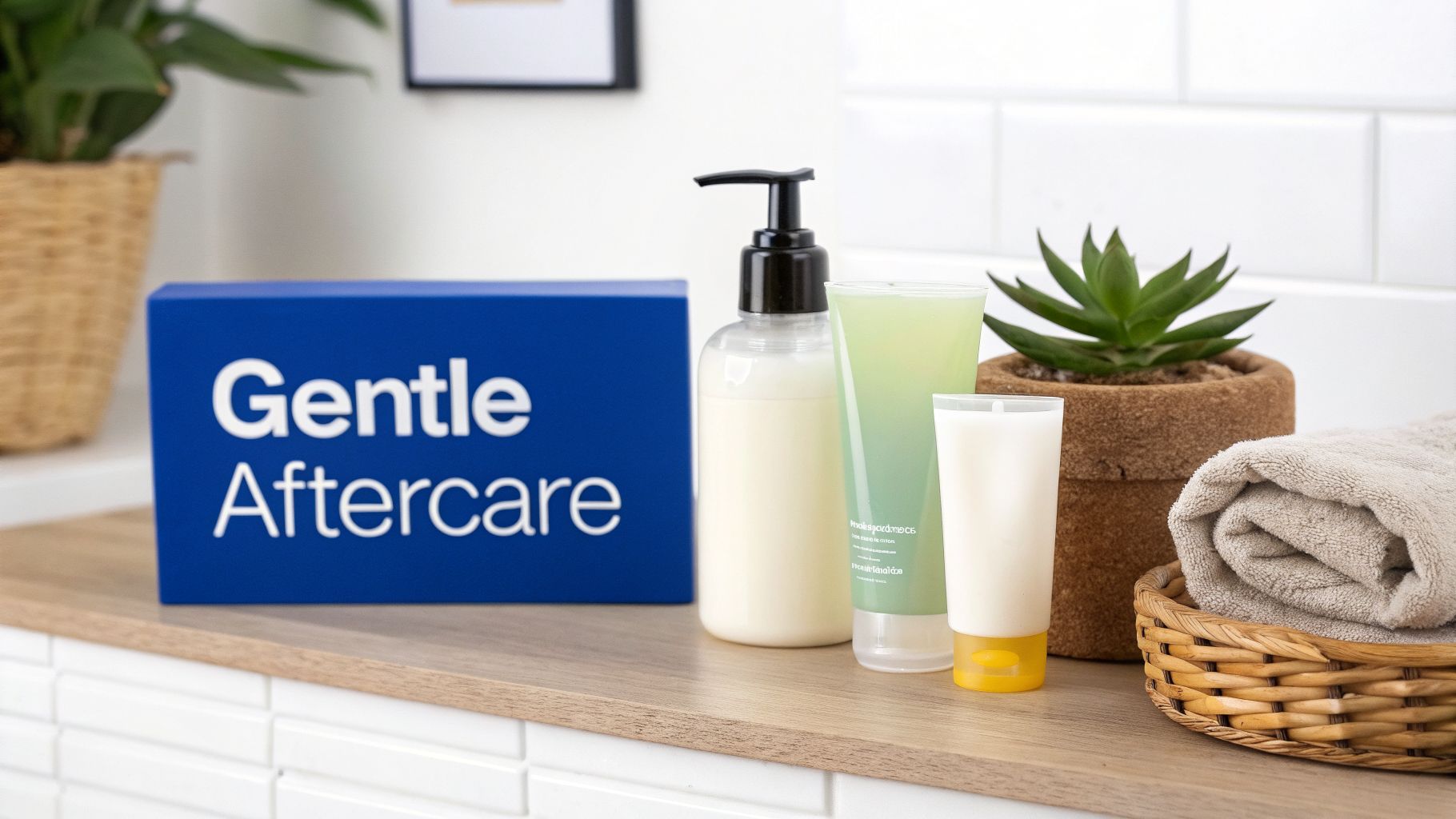
So, you’ve invested in a professional facial, and now your skin is erupting. It’s a frustrating moment, but what you’re likely seeing isn’t a setback—it’s a sign the treatment is working. Managing a skin purge isn't about attacking the new blemishes; it's about supporting your skin through an accelerated clearing process.
Think of your skin as being in a delicate recovery mode. The goal now is to create a calm, protective environment for it to heal efficiently. This is the time for a simplified, "less is more" routine. You need to dial everything back to the essentials that soothe, hydrate, and protect. Anything else is just background noise that can trigger more irritation.
Build a Simple, Supportive Routine
During a purge, your skincare lineup needs to be minimal and focused. This is not the time to experiment with that new serum you’ve been eyeing. Instead, commit to a basic three-step plan to gently guide your skin through this phase.
- A Gentle, pH-Balanced Cleanser: Use a mild, non-foaming, soap-free cleanser. Its only job is to clean away dirt and oil without stripping your skin’s protective barrier, which is already working overtime.
- A Simple, Non-Comedogenic Hydrator: Hydration is your absolute best friend right now. A lightweight, fragrance-free moisturizer will help soothe inflammation and keep your skin from getting dry and flaky, which only makes things worse. Look for calming ingredients like hyaluronic acid or ceramides.
- Broad-Spectrum Sunscreen (SPF 30+): This is non-negotiable. Freshly exfoliated skin is incredibly vulnerable to sun damage. Using sunscreen diligently every single day prevents post-inflammatory hyperpigmentation—those stubborn dark spots that pimples leave behind.
This pared-down routine creates a stable foundation for healing. By removing potential irritants, you give your skin the clear space it needs to finish its renewal cycle without any interruptions.
Do's and Don'ts During a Skin Purge
To help you navigate this phase without causing extra irritation, here's a simple checklist of what to do and, more importantly, what not to do. Resisting the urge to "fix" the problem with aggressive tactics is the most important part of your aftercare.
| Do | Don’t |
|---|---|
| Stick to a minimal, gentle routine. | Introduce any new active ingredients. |
| Keep skin hydrated and moisturized. | Pick, pop, or squeeze any blemishes. |
| Use broad-spectrum SPF 30+ daily. | Use harsh physical scrubs or exfoliants. |
| Be patient and let the process unfold. | Over-cleanse or strip your skin. |
| Contact your esthetician if concerned. | Panic—this is usually a temporary phase. |
Sticking to these guidelines helps ensure your skin heals well, turning a temporary issue into a long-term win.
Rules to Follow During a Purge
Successfully getting through a purge means avoiding a few common mistakes that can prolong the process or cause lasting damage.
Your primary goal during a skin purge is to avoid creating new problems. Do not pick, squeeze, or use harsh scrubs on the blemishes. This can lead to scarring and infection, turning a temporary issue into a long-term one.
These rules are simple but firm:
- No New Actives: Step away from other potent ingredients like vitamin C, additional retinoids, or exfoliating acids. Let the original treatment do its job without interference.
- Hands Off: This is often the hardest rule to follow. Do not pick or pop anything. You’ll interrupt the skin’s healing process and dramatically increase the risk of scarring and spreading bacteria.
- Avoid Harsh Scrubs: Your skin is already in a state of accelerated exfoliation. Attacking it with a physical scrub will only create micro-tears and cause serious irritation.
For those looking to actively support the healing process, some gentle, non-invasive options can help. For example, learning how red light therapy can help with purging offers insight into technologies that can soothe inflammation. And for simple, at-home relief, you might want to understand what icing your face can do for temporary soothing.
By committing to a gentle and supportive aftercare plan, you empower your skin to move through the purge efficiently, revealing the clear, radiant complexion that's waiting on the other side.
A Medspa's Guide to Client Communication on Purging
How you talk to clients about skin purging can be the difference between a panicked phone call and a loyal customer for life. When a client experiences this reaction, it's a critical moment. Proactive, clear communication doesn't just manage expectations—it shows your expertise and turns a potential concern into an opportunity to build trust.
The key is to lead the conversation. Instead of reacting to a client’s confusion after their facial, you should be setting the stage from the very first consultation. This approach makes them a confident partner in their own skin health journey.
Setting Expectations During the Consultation
The initial consultation is your single best opportunity to introduce the concept of skin purging after a facial. This isn't a side effect to be glossed over; it’s a sign that the advanced treatment you're providing is actually working.
Frame it as the skin’s “spring cleaning” process. Explain how a treatment that accelerates cell turnover will inevitably push underlying congestion to the surface before it clears away. This conversation is the foundation for a trusting and successful client relationship.
Your discussion should feel natural, but cover a few key points:
- What it is: Explain that purging is the skin's natural renewal cycle kicking into high gear.
- What it looks like: Describe the small, uniform bumps that often appear in their usual breakout areas, and clarify how this differs from a new, random pimple.
- How long it lasts: Give them a realistic timeline. Most purging resolves within two to six weeks, which aligns with the skin’s natural 28-day renewal cycle.
When you introduce purging this early, you normalize it. The client is prepared and views the process not as a setback, but as a predictable—and even welcome—milestone on their path to clearer skin.
The Role of Informed Consent and Pre-Care Instructions
Your informed consent forms are more than just a legal necessity; they are a powerful tool for education. This is your chance to reinforce what you discussed during the consultation, ensuring the client feels secure and fully informed. The wording here is important.
Skin purging is a temporary reaction where the skin accelerates its renewal process, pushing underlying congestion to the surface. This may result in a temporary increase in blemishes, which is a normal and expected sign that the treatment is working.
This simple statement validates the process and subtly reassures the client of your expertise. It transforms a standard form into a document that builds confidence.
Following consent, your pre- and post-care instructions become the client's road map. Pre-care might advise them to pause other exfoliants before their appointment to avoid over-stimulation. Post-care should outline a simple, non-negotiable routine—gentle cleansing, hydration, and sun protection—as we detailed earlier. These instructions give clients a sense of control and an actionable plan, making them feel empowered rather than helpless.
Framing Purging as a Positive Indicator
The language you choose when discussing a skin purging after facial event directly shapes the client's experience. Stop using the word "breakout." Instead, consistently use terms like "purging," "clearing," or "the renewal phase." This simple shift reframes the entire narrative from a negative problem to a positive process.
Try these simple framing techniques in your follow-up communications:
- "It's great to see your skin is effectively clearing out that old congestion."
- "This shows the treatment has successfully stimulated cell turnover, just as we planned."
- "We are seeing the expected renewal process begin, which is fantastic news for your long-term results."
This positive reinforcement helps clients trust the process and stick with their treatment plan. It positions your clinic as a sophisticated partner focused on lasting skin health, not just quick fixes.
As the global facial rejuvenation market continues to expand, client education on common reactions like purging is no longer optional—it's essential. A study in the Journal of Cutaneous and Aesthetic Surgery confirms North America is leading this growth, with clients increasingly seeking effective treatments for anti-aging and skin texture. For clinics in this booming market, mastering this communication is what will set you apart. You can discover more insights on the growth of the facial rejuvenation market. By implementing these strategies, your medspa can minimize client anxiety, build a reputation for transparency, and create clients for life.
When You Should Contact Your Skincare Professional

While a skin purging after facial is a normal, even expected, part of the renewal process, it’s important to know when your skin’s reaction crosses the line from a temporary inconvenience to a genuine problem. Your intuition is a good guide, but knowing the specific red flags can help you decide when it’s time to call your esthetician or dermatologist.
A standard purge follows a predictable pattern. It typically brings small blemishes to the surface in your usual breakout zones and resolves within a few weeks. Anything that strays far from this script is a signal to pay closer attention.
Recognizing Abnormal Reactions
A healthy purge has a specific look and feel. Anything outside of that—especially intense discomfort or breakouts in unusual places—is your skin telling you something isn't right. If you experience any of the following, it’s a clear sign to seek professional advice.
- Intense Itching or Hives: A purge can be a little sensitive, but it should never be severely itchy. Widespread itchiness, rashes, or raised welts (hives) are classic signs of an allergic reaction to an ingredient used during your treatment.
- Burning or Stinging That Persists: It’s normal to feel some sensitivity right after a powerful facial, but that sensation should fade. If your skin continues to burn or sting hours or even days later, it may indicate a compromised skin barrier or a mild chemical burn.
- Breakouts in New Areas: Purging almost always happens in your usual "hot spots"—the areas where you normally get pimples. If blemishes start popping up on your neck, chest, or other new territories, it’s more likely a standard breakout or a negative reaction.
- Deep, Painful Cysts: The blemishes from a purge are typically smaller whiteheads and pustules that come and go relatively quickly. The sudden appearance of large, deep, and painful cysts points to a more serious inflammatory response or even an infection that needs professional care.
A skin purge should be a temporary and manageable phase. If your reaction is causing significant distress, pain, or lasts longer than eight weeks, it is no longer considered a normal purge. Contact your skincare provider immediately.
When the Timeline Is Off
The duration of the reaction is the other key piece of the puzzle. A typical skin purging after facial should be visibly improving within four to six weeks as your cell turnover cycle completes.
If your skin isn't getting better—or is actively getting worse—after that six-week mark, it's time to check in. Your provider can assess what’s going on, determine if there’s an underlying issue, and adjust your aftercare plan. Don't wait and wonder. Reaching out for help is exactly what they are there for.
Frequently Asked Questions About Skin Purging
Even with a good grasp of the science, some practical questions always come up when you're watching your own skin go through the purging process. Let's tackle those common uncertainties head-on, so you can feel completely confident about what's happening and what comes next.
How Can I Be Sure It’s a Purge and Not My Skin Getting Worse?
This is the most pressing question. The best way to tell the difference is by paying close attention to the location and duration of the breakouts.
A true skin purge after a facial brings pimples to the surface in your usual problem areas—the places you already tend to break out, like your T-zone or chin. These blemishes will appear and disappear much faster than a typical pimple. A purge is just your skin finally evicting congestion that was already brewing beneath the surface.
If you’re seeing spots pop up in brand-new areas where you're normally clear, or if they stick around for weeks, it’s more likely a standard breakout or a reaction to a product that doesn't agree with your skin.
Will This Happen Every Time I Get a Facial?
Not at all. A significant purge is most common after your first few treatments with a potent new active or a more intensive procedure like a chemical peel. Think of it as a one-time "big clean-out."
Once your skin adjusts and that deep, underlying congestion has been cleared, future facials are far less likely to cause a major reaction. You might see a small spot or two surface, but that initial, widespread clearing phase is usually a temporary part of the introductory process.
Can I Wear Makeup While My Skin Is Purging?
Ideally, it’s best to let your skin breathe. Heavy foundations and concealers can trap debris in your pores, slowing down the very process your facial kickstarted. Your skin is in a delicate, regenerative state, and giving it some space is the quickest route to clarity.
If going bare-faced isn't an option, stick to these rules:
- Use only non-comedogenic and oil-free products.
- Apply everything with clean hands or freshly washed brushes to keep bacteria out.
- Be incredibly gentle during removal. Use a soft, milky cleanser and avoid any harsh scrubbing.
It's a small, short-term adjustment for a much bigger long-term payoff.
A skin purge is a temporary and productive process. It's a sign that your professional treatment is effectively renewing your skin from a deeper level. Patience and gentle care are your best tools during this phase.
Ultimately, seeing your skin through a purge is about trusting the process and your esthetician. This temporary reaction is a positive signal that your facial is working exactly as it should, pushing your skin toward that clear, healthy state you’re working to achieve.
At Weyergans HighCare US, we believe in combining advanced technology with client education to achieve the best aesthetic outcomes. Our systems are designed to support skin health and body wellness from the inside out. Discover how our science-driven approach can elevate your practice by visiting https://weyerganshighcareus.com.