


When you hear "lactic acid," your mind might jump to sore muscles after a workout. In skincare, however, it’s one of the most celebrated ingredients for a refined, dewy glow. Lactic acid is an alpha-hydroxy acid (AHA) derived from milk, and it's effective for improving both skin texture and hydration.
What Is Lactic Acid and How Does It Work
Lactic acid has a dual-action nature that makes it a go-to for estheticians and skincare lovers. It is a multitasking ingredient, working as both a gentle exfoliant and a hydrator.
A Gentle Chemical Exfoliant
First, lactic acid is a chemical exfoliant. It works on the skin’s surface to dissolve the bonds holding dead, dull skin cells together. Think of those bonds as the “glue” that masks your skin’s natural radiance. Lactic acid gently melts that glue away, letting old cells shed effortlessly.
As those dull cells are swept away, brighter skin is revealed. This simple process leads to a visibly smoother surface, a more even tone, and a softening of fine lines and minor discoloration.
A Powerful Humectant
Beyond exfoliation, lactic acid is also a humectant, meaning it has an ability to attract and hold onto water. When you apply it, it pulls moisture from the air into your epidermis (the skin’s outermost layer), giving your skin a much-needed drink. This action is key to keeping skin looking and feeling plump, supple, and hydrated.
Because its molecules are larger than those of other AHAs like glycolic acid, lactic acid doesn't penetrate as deeply. This makes it a gentler option for individuals with sensitive or dry skin who still want the benefits of exfoliation.
For a quick overview, this table breaks down lactic acid's core functions.
Lactic Acid at a Glance
| Function | Mechanism | Primary Benefit |
|---|---|---|
| Exfoliation | Dissolves the bonds between dead skin cells on the surface. | Improves texture, brightens tone, and smooths fine lines. |
| Hydration | Acts as a humectant, attracting and retaining moisture in the skin. | Increases hydration, plumps the skin, and strengthens the moisture barrier. |
This dual capability is why lactic acid has become a skincare superstar.
The demand for ingredients that deliver both moisture and luminosity is clear. The global market for lactic acid treatments was valued at around $1.52 billion in 2025 and continues to grow. These market trends reflect a major shift in what consumers and professionals want: effective ingredients that work with the skin, not against it.
How Lactic Acid Refines Skin Texture and Tone
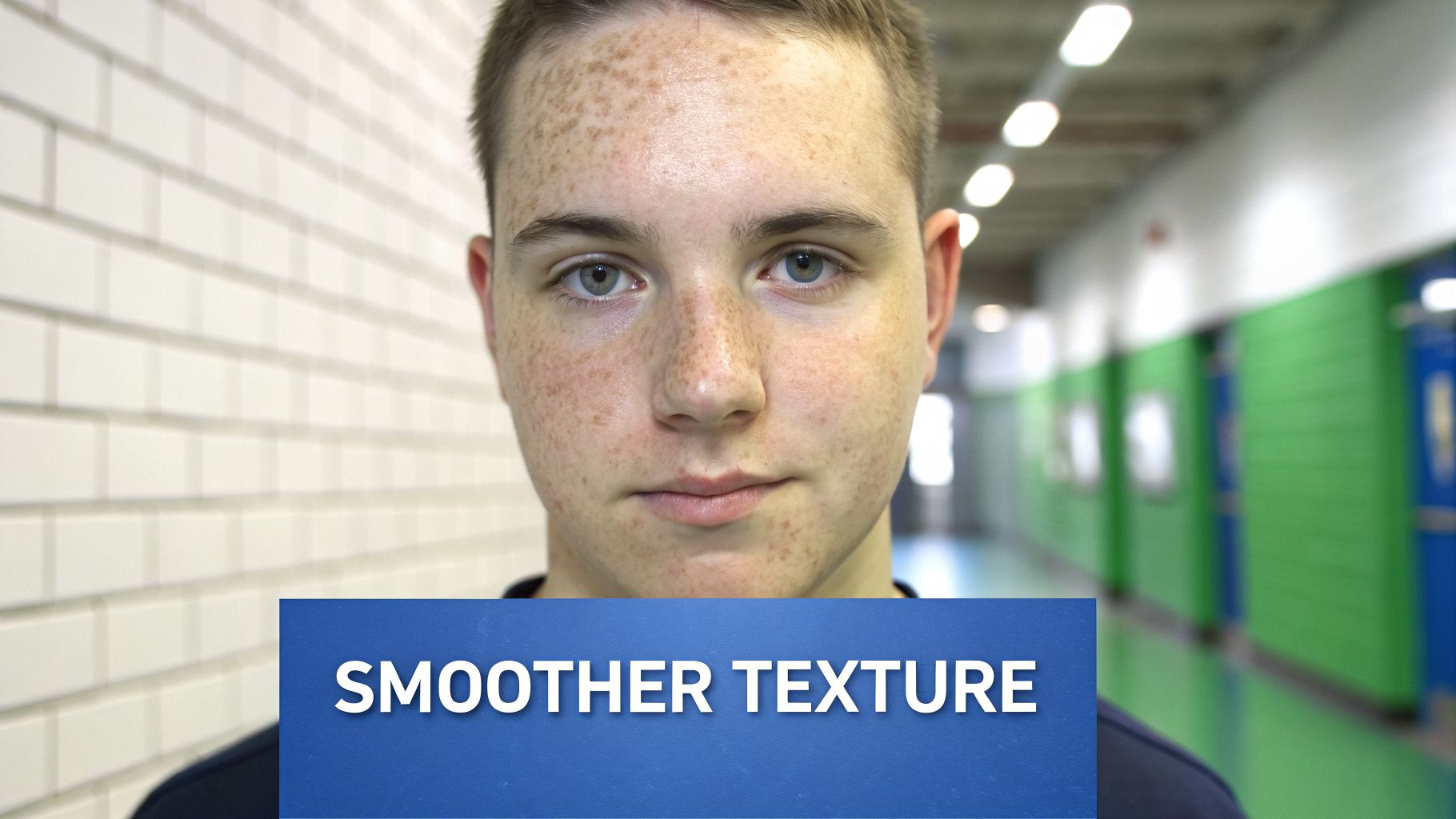
Lactic acid’s main job is to speed up cell turnover—your skin’s natural renewal cycle. As we age, this process slows down, causing a build-up of old cells that leave the skin looking dull, rough, and uneven. By gently sweeping away this surface layer, lactic acid helps restore a visibly smoother and more polished complexion.
Dissolving the "Glue" for a Brighter Surface
Think of your skin's outermost layer, the stratum corneum, like a brick wall. The skin cells are the "bricks," and the protein bonds holding them together are the "mortar." Over time, this mortar becomes old and stubborn, gluing dead cells to the surface long after they should have shed.
Lactic acid works on this exact problem. Without any harsh scrubbing, it gently dissolves that "mortar," letting the old, dull cells slough away effortlessly. This process unveils the fresher skin waiting just beneath, leading to a noticeable improvement in texture and a reduction in minor surface imperfections.
Stimulating Collagen for Firmer, Bouncier Skin
Beyond its exfoliating abilities, lactic acid works on a deeper level to encourage collagen production. Collagen is the protein that gives your skin its firmness, structure, and bounce. Consistent use of lactic acid sends signals down into the dermis (the skin’s deeper layer), telling it to create more of this structural protein.
This renewed collagen synthesis helps to:
- Firm the skin, counteracting feelings of laxity.
- Soften the appearance of fine lines and wrinkles over time.
- Improve the skin’s overall resilience and youthful bounce.
By promoting new collagen, lactic acid delivers a proactive approach to maintaining the skin’s foundational structure. This dual-action—surface polishing and deep firming—makes it a comprehensive ingredient for skin rejuvenation.
Lactic acid works on two fronts: it delivers an immediate glow by refining the surface while working behind the scenes to build a stronger, more resilient skin structure for the long term.
This versatility is why lactic acid is used to tackle everything from acne and sun damage to hyperpigmentation. While professional chemical peels historically made up 45% of all treatments, at-home serums are now the leading product format. This shift shows a clear trend toward integrating high-performance ingredients into our daily routines. To see how the market has evolved, you can explore the full market analysis of lactic acid products.
The results clients are looking for—a more even tone, faded dark spots, and a smoother feel—are all direct outcomes of these scientific actions. Understanding this connection helps set clear, realistic expectations for what this acid can achieve.
Choosing the Right Lactic Acid Concentration
When it comes to lactic acid, a common mistake is thinking "stronger is always better." The truth is, picking the right product isn't a race to the highest percentage. It's about matching the right concentration to a specific skin goal and tolerance level.
The percentage on the bottle directly dictates the ingredient's primary function, from daily hydration to an intensive corrective peel.
For anyone new to acids, or for those with sensitive skin, starting low is necessary. Products with 5% to 8% lactic acid are the ideal entry point, designed for consistent at-home use. They deliver steady, gentle exfoliation and a boost of hydration without compromising the skin barrier, making them perfect for maintaining a bright, smooth complexion.
Higher strengths are meant for more targeted, less frequent application. A concentration of 10% to 15% offers more noticeable exfoliating power and can be used a few times a week by those with more resilient skin to tackle stubborn dullness or uneven tone. Anything above 20% is in the territory of professional-grade peels, designed to be administered by a trained esthetician for significant, corrective results.
Matching Formulations To Client Goals
Beyond the percentage, the product's format—or formulation—is just as important. Lactic acid comes in cleansers, serums, masks, and peels, and each one has a distinct role in a routine. Understanding these differences is key to guiding clients to the perfect product for their lifestyle and needs.
Cleansers: A lactic acid cleanser provides a very mild, flash exfoliation. Because it’s washed off almost immediately, the contact time is minimal. This makes it a fantastic and safe daily option for nearly any skin type to gently polish the skin's surface.
Serums: These are the workhorses for treatment. As leave-on products, serums are formulated for deeper absorption, delivering a sustained dose of lactic acid to target concerns like fine lines, texture, and discoloration.
Masks and Peels: These formulas contain higher concentrations and are built for periodic, intensive treatment. A mask might be used once a week for a radiance boost, while a professional peel is scheduled every 4-6 weeks to achieve transformative skin renewal.
Think of these formats as different tools for different jobs. A serum is for consistent, daily maintenance, while a peel is like a reset button for the skin. Both are valuable in a complete treatment plan.
By understanding how concentration and formulation work together, you can make expert recommendations that deliver visible, reliable results safely.
Here’s a straightforward guide to help you and your clients choose the right strength.
Lactic Acid Concentration Guide
The table below breaks down the most common concentrations, their primary purpose, and who they're best suited for.
| Concentration Range | Primary Use | Best For Skin Type | Frequency |
|---|---|---|---|
| 5% – 8% | Daily maintenance, gentle exfoliation, and hydration. | Beginners, sensitive, and dry skin. | Daily or several times a week. |
| 10% – 15% | Addressing specific concerns like texture and mild hyperpigmentation. | Normal, combination, and oily skin. | 1-3 times per week, as tolerated. |
| 20% and Up | Corrective professional treatments for sun damage and visible aging. | Resilient skin, under professional guidance. | Every 4-6 weeks in a clinical setting. |
Choosing the right lactic acid is about creating a personalized strategy. It starts with a clear understanding of the client’s skin type and their goals, allowing you to select a concentration and format that will safely guide them toward a healthier, more radiant complexion.
How to Combine Lactic Acid with Other Ingredients
Layering active ingredients is where real results happen in a skincare routine, but it’s a strategy, not a free-for-all. Knowing which ingredients play well with lactic acid lets you amplify its benefits without tipping your skin into a state of irritation.
The goal is synergy. You want to pair ingredients that either support each other’s work or provide complementary benefits. This is how you get the most out of every product while keeping your skin barrier happy and healthy.
Excellent Pairings for Lactic Acid
Certain ingredients are fantastic partners for lactic acid. Think of them as the supporting cast that helps hydrate, soothe, and fortify the skin for a great performance.
- Hyaluronic Acid: This is a classic power couple. Lactic acid clears away dull surface cells, and hyaluronic acid follows right behind, flooding the newly revealed skin with deep, quenching hydration. This one-two punch leaves skin feeling exceptionally smooth, plump, and dewy.
- Niacinamide: Think of niacinamide as a peacemaker. It’s brilliant at calming the skin, strengthening the moisture barrier, and keeping oil production in check. When you use it alongside lactic acid, it acts as a buffer, minimizing potential for redness or irritation and making the exfoliation process feel much gentler. Our guide to the benefits of Vitamin B for skin explains more about how niacinamide (a form of Vitamin B3) is a cornerstone of skin health.
- Ceramides: These lipids are the building blocks of a strong, resilient skin barrier. Applying a ceramide-rich moisturizer after your lactic acid step is like rebuilding the fortress walls—it locks in moisture and reinforces your skin's natural defenses, which is important after any kind of exfoliation.
A simple rule for layering is to apply your products from the thinnest to thickest consistency. After cleansing, you would apply your lactic acid serum, wait a minute for it to absorb, then follow with a hyaluronic acid serum, and finish with your ceramide moisturizer.
Ingredients to Use with Caution
Some actives are powerful enough on their own and can create conflict when mixed directly with lactic acid. This doesn't mean you can't use them; it just means they need their own time in the routine, not a shared spotlight.
- Other AHAs or BHAs (like Glycolic or Salicylic Acid): Using multiple potent chemical exfoliants at the same time is a fast track to an over-stripped, compromised skin barrier. This can lead to redness, peeling, and sensitivity. It’s far smarter to alternate them on different nights.
- Retinoids (like Retinol): Both lactic acid and retinoids are famous for accelerating cell turnover. Using them together is often too intense for most skin types and can easily trigger significant irritation. A common, skin-safe strategy is to use your lactic acid in the morning and a retinoid at night, or simply alternate them on different evenings.
- High-Concentration Vitamin C (Ascorbic Acid): While both are amazing for skin, the most potent forms of Vitamin C and lactic acid can be unstable when mixed. They also function best at very different pH levels. To ensure both ingredients work at peak efficacy, use your Vitamin C in the morning for antioxidant protection and your lactic acid at night for renewal.
Professional Lactic Acid Peel Protocols and Aftercare
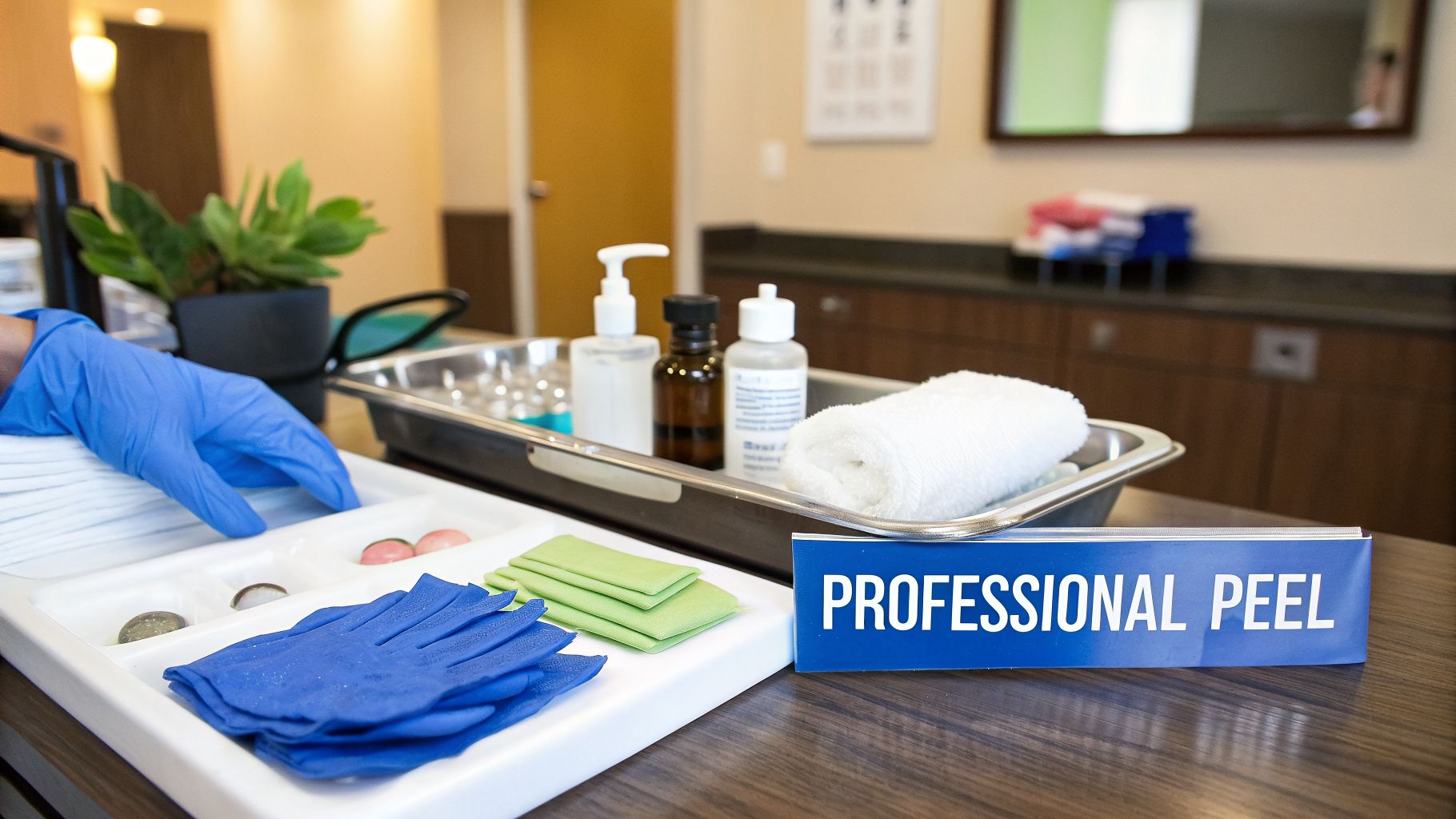
For aestheticians, a professional lactic acid peel is one of the most reliable tools we have. It delivers impressive, visible results with a great safety profile, making it a client favorite. But a successful peel isn’t just about the acid—it’s about the entire process, from consultation to aftercare, that builds client trust and ensures good outcomes.
The work begins long before the peel solution is opened. A detailed client consultation is non-negotiable, so you can understand their skin goals and screen for any potential issues.
The Peel Protocol: From Consultation to Application
Before you apply the peel, you need to confirm the client’s skin is ready. Make sure they’ve paused any retinoids, other exfoliants, and avoided significant sun exposure for at least a week. A quick visual check for active infections, cold sores, or open wounds is also needed, as these are absolute contraindications.
Once you’re clear to proceed, a standard professional protocol looks like this:
Cleanse and Prep: Start with a deep cleanse to strip away all makeup, surface oils, and impurities. Follow this with a dedicated prep solution, often alcohol or acetone-based, which degreases the skin completely. This step is important for ensuring the peel penetrates evenly.
Protect Sensitive Areas: Using a barrier cream or a thin layer of petroleum jelly, carefully protect the delicate skin around the eyes, the corners of the nose, and the lips. This smart step prevents the acid from pooling and causing irritation.
Apply the Peel: With a fan brush or gauze, apply the lactic acid solution in a thin, even layer across the face. It’s best to work methodically and quickly, starting on less sensitive areas like the forehead and cheeks before moving to the chin and nose.
Time and Observe: Application time is entirely dependent on the peel’s concentration and the client’s skin response. This typically ranges from 2 to 10 minutes. Your job is to watch the skin for signs of erythema (redness) and listen for any client-reported discomfort.
Neutralize: As soon as your target time is reached—or the skin tells you it’s done—apply a neutralizing solution. This is usually a sodium bicarbonate base that instantly halts the acid's activity. Be thorough, covering the entire treated area before rinsing completely with cool water.
Post-Peel Aftercare and Client Education
The instructions you give your client for the days following their treatment are just as important as the peel itself. Clear, simple guidance empowers them to protect their fresh, vulnerable skin and manage their expectations for the healing process.
Explain that some redness, tightness, and light flaking are completely normal signs that the peel is working. If they are concerned about any potential reactions, you can share our guide on purging after a chemical peel.
Advise your clients to follow these key aftercare rules for the next 5-7 days:
- Be Gentle: Switch to a mild, soap-free cleanser and a nourishing, simple moisturizer. Now is not the time for complex formulas.
- No More Exfoliation: All other exfoliants are off-limits. This includes physical scrubs, other AHAs/BHAs, retinoids, and even cleansing brushes.
- Sunscreen Is Mandatory: This is non-negotiable. They must use a broad-spectrum SPF 30 or higher every single day.
- Keep It Cool: For the first 48 hours, they should avoid hot showers, saunas, steam rooms, and intense workouts that could trigger inflammation.
The rising popularity of lactic acid is more than a trend. The broader market for lactic acid, including its many industrial applications, was valued at $9.82 billion in 2025 and is projected to reach $44.13 billion by 2034. These figures, detailed in market projections from Fortune Business Insights, show a massive consumer shift toward health-focused ingredients—confirming that offering expert lactic acid treatments is a smart move for any modern practice.
Common Questions About Lactic Acid
As lactic acid gets more attention, it’s natural for questions to pop up. Whether you're a client exploring new treatments or a professional refining your protocols, getting clear answers is key to using this ingredient with confidence.
Here are the practical, straightforward answers to the questions we hear most often.
Is Lactic Acid Good for Sensitive Skin
Yes, it’s often the go-to AHA for sensitive complexions. The secret is in its molecular structure.
Lactic acid has a larger molecule compared to other AHAs like glycolic acid. This means it works more on the surface and doesn't penetrate as deeply or as quickly, which dramatically reduces the potential for irritation. For this reason, it's a fantastic choice for anyone with sensitive or reactive skin who still wants the brightening and smoothing results of a chemical exfoliant.
As a rule, always start with a low concentration, around 5%, to see how your skin acclimates.
How Often Should I Use a Lactic Acid Product
This really comes down to the strength of the formula you're using.
- Low-Strength Products (5-8%): These are generally built for consistency. Many people find they can use them a few times a week—or even daily—once their skin is accustomed to the ingredient.
- High-Strength Products (10% and above): Think of these as more intensive, periodic treatments. A professional-grade peel should only be done by a licensed esthetician, typically every 4–6 weeks.
Always follow the specific instructions on the product label and listen to your skin. If you see signs of irritation, pull back.
Can Lactic Acid Help with Acne Scars
Lactic acid is a champion at tackling post-inflammatory hyperpigmentation (PIH)—those stubborn dark spots that linger long after a blemish has healed. By speeding up cell turnover, it helps the skin shed those discolored surface cells faster, gradually fading the marks and evening out your skin tone.
However, for atrophic or "pitted" acne scars, its effects are limited. These indented scars are a deeper textural issue that often requires more targeted treatments to remodel the skin. If you're curious about next-level options for skin texture, you might be interested in our guide on whether at-home microneedling is safe.
Lactic acid excels at surface-level correction. It’s the ideal ingredient for refining skin tone and addressing minor textural concerns to reveal a healthier, more luminous complexion.
At Weyergans HighCare US, we believe in pairing smart, effective skincare ingredients with advanced wellness technology. Our systems are engineered to complement aesthetic services like chemical peels, by improving circulation and supporting the body’s natural recovery processes for a holistic approach to beauty and wellness.
Discover how our innovative Vacustyler can elevate your practice.