


So, what's really happening when you press an ice cube to your face? In simple terms, you're kicking off a process called vasoconstriction.
It sounds technical, but the concept is straightforward. Think of it as gently turning down the faucet on the blood flow to your skin. The cold causes your blood vessels to temporarily tighten up, which is why your skin almost instantly looks less red and puffy. It's a quick, visible refresh. But the real magic, as we'll explore, happens in the moments after the cold is removed.
This guide will break down exactly what icing does for your face, covering the science behind the chill, the tangible benefits you can expect, the crucial safety measures you need to follow, and why professional treatments take this simple concept to a much more effective, clinical level.
The Cold Hard Truth About Icing Your Face
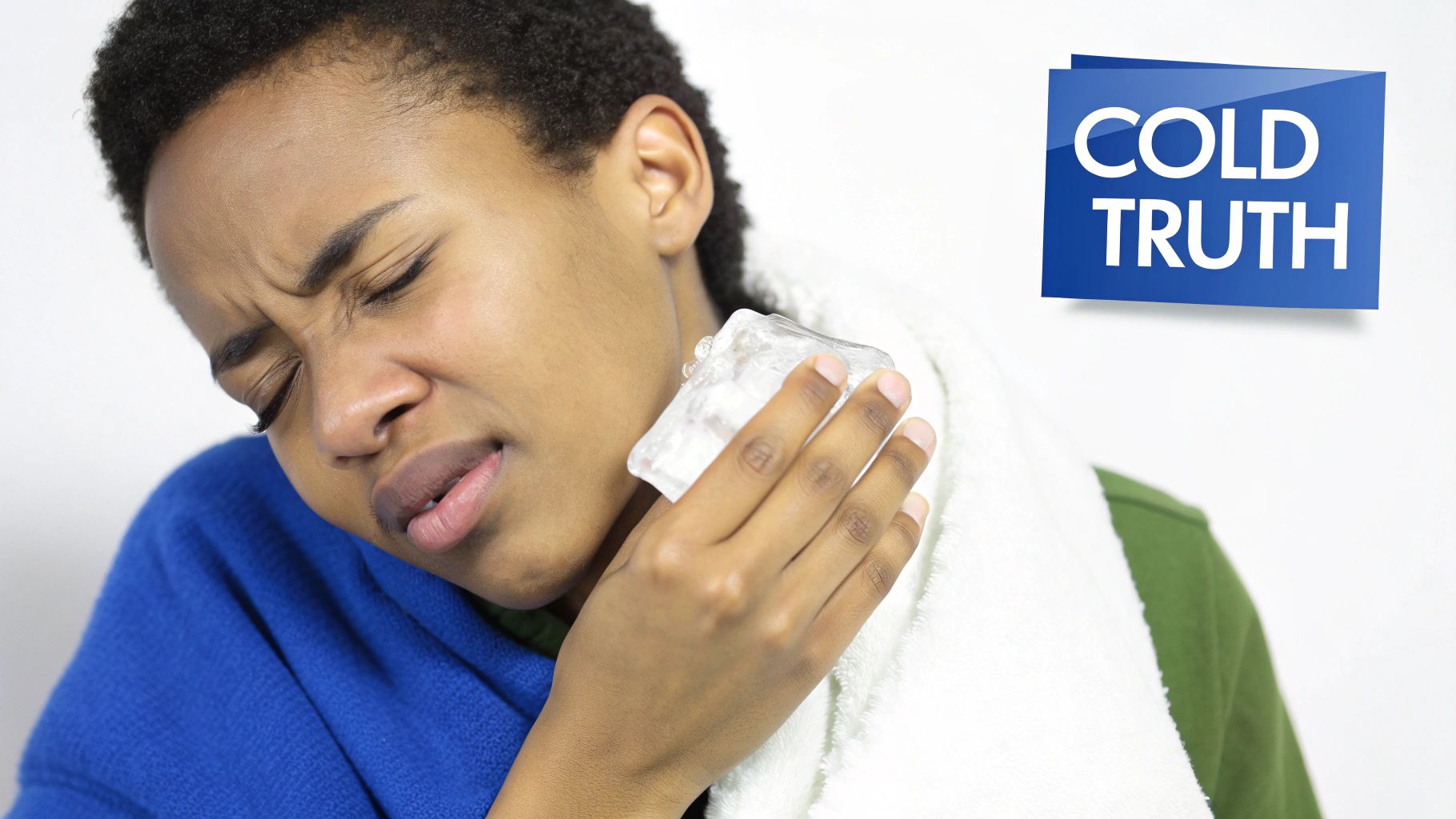
Facial icing, sometimes called skin icing or facial cryotherapy, has taken over social media feeds for a reason. It’s simple, accessible, and the immediate results are hard to ignore. From influencers to estheticians, plenty of people are singing its praises. But behind the hype, there's a real physiological response happening every time cold meets skin.
The entire principle is borrowed from basic sports medicine. Just like you'd ice a sprained ankle to bring down swelling, applying cold to the face works on the same principle, just on a much more delicate scale. The cold initiates a cascade of reactions that temporarily alter your skin's appearance and sensation. It’s a way to manage common skin frustrations right from your freezer.
How Does It Work So Quickly?
The moment that cold surface touches your skin, it sends a signal to the superficial blood vessels to clamp down and narrow. This is vasoconstriction in action, and it quickly reduces the amount of blood and fluid rushing to the area.
This reaction is what makes it so effective for a few specific concerns:
- Reduces Puffiness: By putting the brakes on fluid buildup, icing can dramatically de-puff areas like under the eyes, especially first thing in the morning. This is due to the cold's ability to constrict lymphatic vessels, encouraging the drainage of trapped fluid.
- Soothes Inflammation: It's fantastic for calming the heat and redness that comes with an angry breakout or inflammatory conditions like rosacea. The reduced blood flow helps to minimize the visible signs of irritation.
- Temporarily Tightens Skin: The cold shock gives your skin a firmer, more toned appearance and can make pores look noticeably smaller—for a little while, at least. This happens as the skin itself contracts in response to the cold.
For a quick overview of what's happening on the surface, this table breaks it down.
Facial Icing At A Glance
| Benefit | How It Works | Best For |
|---|---|---|
| De-Puffing | Vasoconstriction reduces fluid buildup in tissues. | Morning puffiness, especially under the eyes. |
| Soothing Redness | Constricting blood vessels calms inflammation and heat. | Acne flare-ups, rosacea, post-procedure irritation. |
| Pore Minimizing | The cold causes a temporary tightening of the skin. | A quick, pre-makeup skin refresh. |
| Pain Relief | Numbing effect helps dull localized pain signals. | Migraines, sinus pressure, cystic acne pain. |
This table shows how facial icing delivers that instant, satisfying improvement. It's a powerful tool for short-term management.
However, a big part of understanding what icing does is also knowing its limits. While it’s a master of the quick fix, it doesn't get to the root cause of chronic skin issues. It won't cure acne, eliminate wrinkles permanently, or change your pore size for good. Recognizing this distinction is crucial. In the next sections, we’ll get into the deeper science, the proven benefits, and the critical safety rules to make sure you're helping, not harming, your skin.
How Cold Therapy Changes Your Skin
To really get what's happening when you ice your face, we have to look at the chain reaction firing off just beneath the surface. It’s not just about feeling cold; it’s a dynamic two-step process that first restricts blood flow and then flushes the skin with fresh circulation.
The moment something cold touches your skin, your body goes into a defensive mode. Its main job is to conserve core heat, so it immediately signals the tiny blood vessels near the surface to clamp down and narrow. This initial shrinking effect is called vasoconstriction.
Think of it like emergency services redirecting traffic away from an accident scene. By narrowing these pathways, the body reduces the flow of blood and inflammatory fluids to the area. This is exactly why ice is the go-to for calming down immediate swelling and redness, whether it’s on a sprained ankle or a post-treatment facial area.
The Rebound Rush of Vasodilation
But the real magic happens right after. Once you take the ice away and your skin starts to warm back up, your body kicks off a powerful rebound effect. To restore balance and bring warmth back to the chilled tissues, the blood vessels rapidly expand in a process called vasodilation.
This is what creates that rush of fresh, oxygenated, nutrient-rich blood to the skin’s surface. This sudden surge is responsible for that vibrant, temporary glow and feeling of renewal so many people love about facial icing. It's a natural, physiological response that brings a wave of benefits.
In essence, you're creating a "pump" for your circulation. The cold pushes out the old, stagnant fluid, and then the warming phase pulls in a fresh supply of nutrient-rich blood.
This circulatory boost delivers a few key temporary benefits you can see and feel.
- Temporary Glow: The increased blood flow brings a healthy, rosy color to your complexion, making skin look more alive and radiant for a short time. This is often referred to as the "post-icing glow."
- Nutrient Delivery: This fresh circulation is loaded with oxygen and other vital nutrients for your skin cells, giving them an immediate health boost and supporting cellular function.
- Fluid Drainage: The initial vasoconstriction helps push out trapped lymphatic fluid that causes puffiness, especially around the eyes. The subsequent vasodilation helps flush the area clean.
- Enhanced Product Absorption: Some skincare experts suggest that icing your face before applying serums or moisturizers can improve their absorption. The theory is that the constricted capillaries open up wide during vasodilation, making them more receptive to topical products. While more research is needed, many users report better results when icing is part of their prep routine.
Impact on Sebum and Sensation
Beyond circulation, the cold has a couple of other important tricks up its sleeve. For anyone with oily or acne-prone skin, icing can bring temporary relief by slowing down the sebaceous glands—the tiny factories that produce oil (sebum). While it's a short-lived fix, it can noticeably reduce surface shine for a few hours.
On top of that, the cold has a numbing, or analgesic, effect. It temporarily dulls the nerve endings in the skin, which can be a welcome relief from the pain of inflamed blemishes like cystic acne or a rosacea flare-up. This makes icing not just a cosmetic tool, but a source of immediate comfort.
Real Benefits: From Reducing Puffiness to Soothing Acne
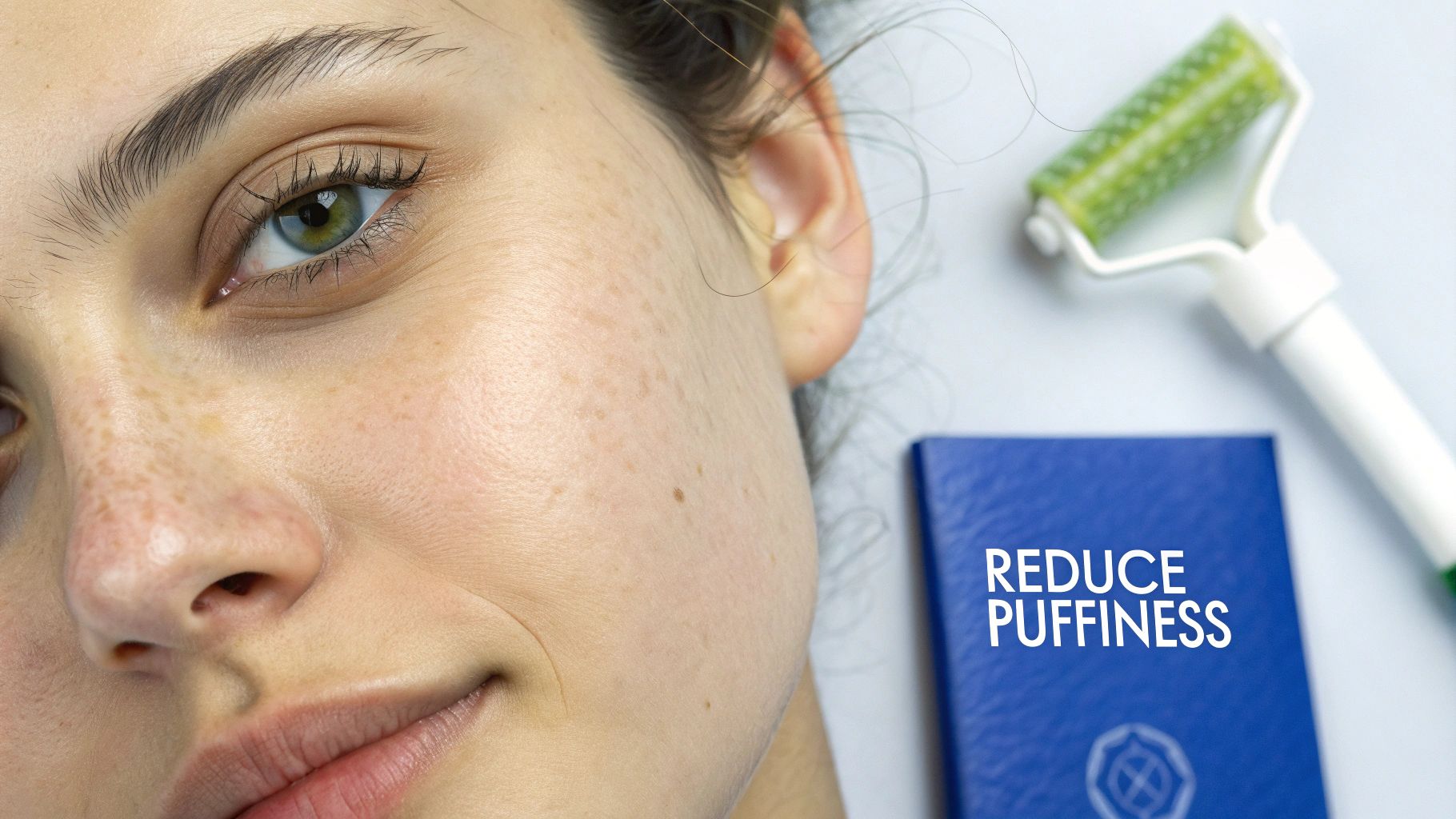
Okay, we've covered the science behind what cold does to your skin. So, what does that actually look like in the mirror? The most immediate and noticeable result is its incredible power to reduce puffiness, especially that tell-tale morning swelling.
That's because the cold constricts blood vessels and helps drain away excess lymphatic fluid that pools under your eyes and cheeks while you sleep. Think of it as a quick fix for a less puffy, more sculpted look. The underlying mechanism is quite similar to manual techniques, and you can learn more about how it works by exploring the benefits of lymphatic drainage massage.
But de-puffing is just the start. Facial icing is also a fantastic tool for taking the heat out of angry, inflamed skin, offering instant (though temporary) relief for a few common issues.
Soothing Inflamed Skin Conditions
When your skin is irritated, red, and uncomfortable, icing can be a lifesaver. The cold creates a numbing effect that dulls the discomfort, while the vasoconstriction visibly calms redness right away.
- Painful Cystic Acne: For those deep, throbbing blemishes, a cold compress can seriously dial down the pain and surrounding inflammation, making the breakout feel—and look—far less aggressive. By reducing swelling, it can also help bring a blind pimple to a head more quickly.
- Rosacea Flare-Ups: When a rosacea flare hits, your skin can feel hot to the touch and appear intensely red. A gentle touch of cold can help manage these acute symptoms by shrinking those superficial blood vessels. (Note: People with rosacea should be extremely cautious, use a thick barrier, and keep sessions very short.)
- Sunburn and Minor Irritations: For mild sunburn or skin irritation from a new product, a gentle cold compress can provide immense relief. It helps to cool the skin, reduce stinging sensations, and calm redness.
It's crucial to see icing for what it is: a symptom manager, not a cure. It provides powerful, on-the-spot relief but doesn't address the root cause of these conditions.
The Pre-Event Secret Weapon
Plenty of people swear by a quick icing session before a wedding, a big presentation, or a special night out. Why? The temporary tightening effect makes skin appear smoother and more toned, creating a perfect canvas for makeup. Pores look smaller, and you often get a short-lived glow from the rush of fresh circulation that follows. Foundation and concealer glide on more smoothly, and the overall look is more polished and refined.
While you'll see a huge range of benefits claimed on social media, the science shows that these visible effects are mostly temporary. Research confirms that cold therapy works wonders on inflammation by restricting blood flow, but things go back to normal once the skin warms up. This makes icing a useful trick for a modest, short-term boost about 15-20 minutes before an event.
Understanding this temporary nature is key. Knowing what icing does—and for how long—helps you use it strategically for maximum impact right when you need it most.
Why Professionals Take Cold Therapy to the Next Level
While a simple ice cube can provide temporary relief at home, professional cryotherapy treatments operate in an entirely different league. In a clinical or medspa setting, the process is transformed from a simple DIY trick into a precise, powerful procedure designed for superior results and client safety.
One of the biggest distinctions is temperature control. Professionals use specialized equipment that delivers cold at an exact, consistent temperature. This ensures the skin receives maximum anti-inflammatory benefits without the risks of frostbite or damage to delicate capillaries—common concerns with unevenly applied ice.
This precision is what elevates the practice from soothing to truly therapeutic.
Beyond Basic Icing
Professional treatments go far beyond just applying cold. They’re built around standardized protocols that ensure every session is not only effective but also completely hygienic. This controlled environment eliminates the guesswork and potential for error that comes with home-based icing.
- Synergistic Treatments: Professionals can combine cold therapy with other powerful modalities. For example, pairing cryotherapy with LED light therapy can create a synergistic effect, calming inflammation while simultaneously promoting collagen production for results you simply can’t replicate at home. Another common pairing is cryotherapy following procedures like microneedling or chemical peels to rapidly reduce redness and swelling.
- Targeted Application: Unlike a bulky ice pack, a localized cryotherapy machine allows practitioners to target specific areas with precision, focusing on concerns like post-procedure swelling or localized inflammation with far greater accuracy. This ensures that only the intended areas are treated, protecting the rest of the skin.
- Expert Oversight: A trained esthetician or clinician assesses your skin and adjusts the treatment accordingly, ensuring the intensity and duration are perfectly suited to your needs. This isn't a one-size-fits-all approach. They can identify contraindications and ensure the procedure is safe for your specific skin type and condition.
The Clinical Advantage
Professional cold therapy isn't just a better version of icing; it's a clinical evolution. These treatments, administered by trained practitioners, deliver controlled temperature exposure and precise timing, eliminating risks like tissue damage or bacterial contamination that can come with DIY methods.
Unlike passing trends, professional cold therapy offers standardized protocols and the ability to customize treatment intensity for diverse skin types. This positions it as a premium wellness service justified by real clinical outcomes and client safety. For a deeper dive into this, check out the insights on the safety and efficacy of professional cryotherapy on goodrx.com.
Ultimately, professional cold therapy transforms a basic skin-calming method into a reliable clinical procedure. It moves beyond temporary relief to offer consistent, measurable aesthetic and wellness outcomes that are both safe and highly effective.
The Future of Cryotherapy for Wrinkle Reduction
The potential of cold therapy reaches far beyond simply calming puffy skin. We're now seeing clinical treatments that use focused, intense cold to target the very nerves that control facial muscles—offering a compelling, non-toxic alternative for smoothing dynamic wrinkles like forehead lines.
This advanced approach shows what happens when the simple principle of cold is guided by sophisticated technology in a controlled, professional setting. By precisely applying cold, these treatments can temporarily relax muscle activity, leading to a visible and significant reduction in expression lines. It’s a completely different ballgame than icing your face at home, moving from temporary relief to a more lasting anti-aging solution.
A Non-Toxic Approach to Wrinkles
This method is a game-changer for clients looking for effective, non-injectable options. Instead of using a toxin to paralyze muscles, it uses targeted cold to achieve a similar relaxing effect on the nerves that signal those muscles to contract and form wrinkles. This process, known as cryoneuromodulation, offers a temporary "pause" in muscle activity without introducing foreign substances into the body.
The results aren't just anecdotal; they're backed by solid clinical data. A key 2015 study showed that 91% of subjects saw a noticeable improvement in forehead line severity within just 30 days of treatment. Even better, 70% of participants saw at least a two-point improvement on a validated wrinkle scale. You can read the full research about these findings to see just how significant this step forward is for non-invasive aesthetics.
This technology represents a major shift. We can now address dynamic wrinkles by targeting nerve activity with cold instead of chemicals. It’s an ideal option for the roughly 25% of patients who want to reduce wrinkles but have reservations about traditional injectables.
The Clinical Difference
This evolution really highlights the massive gap between a home remedy and a clinical procedure. The precision, control, and safety protocols involved in professional treatments allow for outcomes that are simply impossible to achieve with an ice cube or a jade roller. The ability to target specific nerves requires advanced technology and deep anatomical knowledge, something only available in a professional setting.
Ultimately, these developments show how the basic science behind cold therapy is maturing. It’s no longer just about calming down inflammation; it's about producing measurable, lasting anti-aging results. This makes it an exciting new frontier for anyone looking for the latest in sophisticated, non-injectable skin solutions.
How to Ice Your Face Without Damaging Your Skin
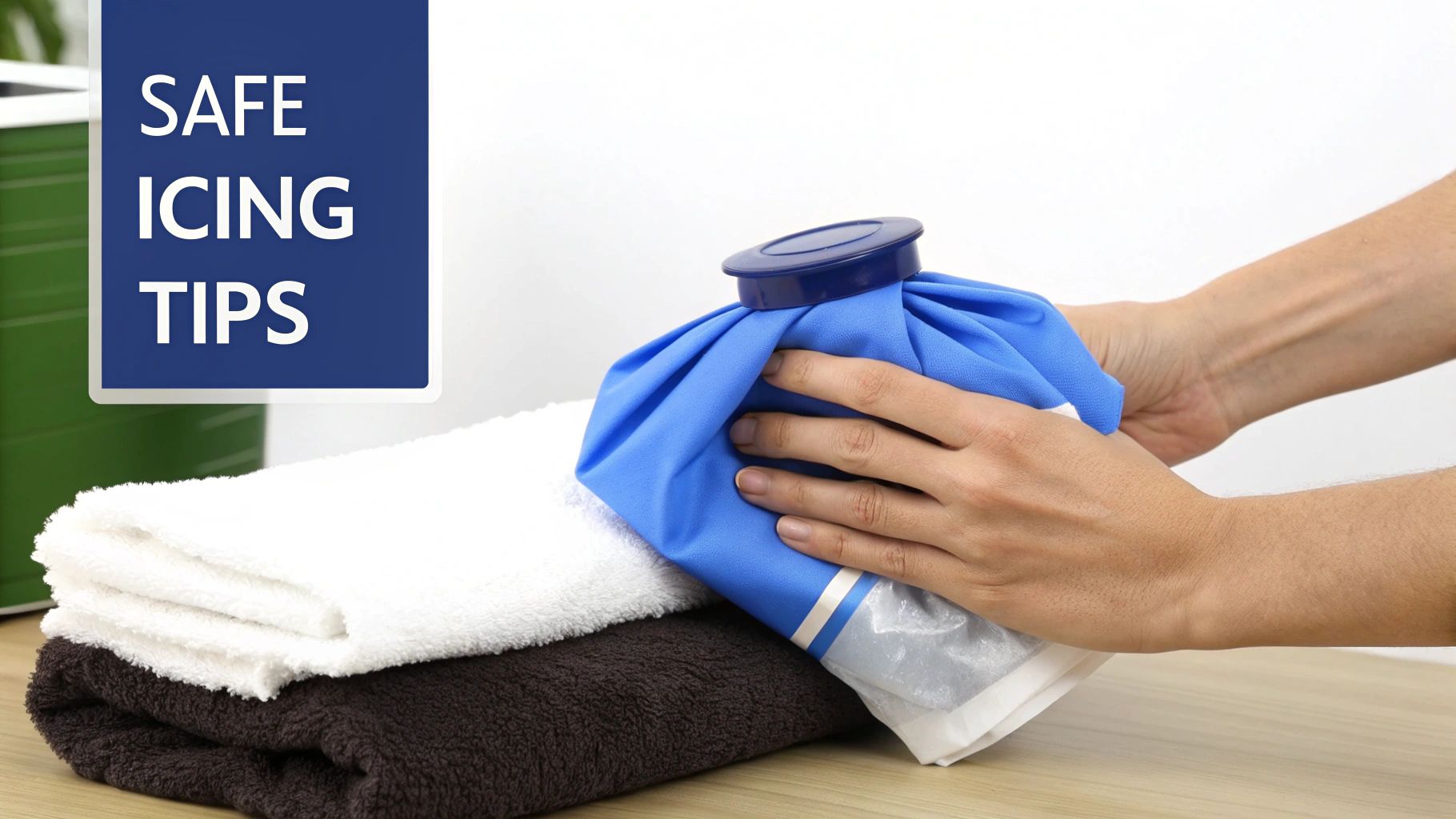
If you're going to try icing at home, safety has to be your top priority. It seems simple enough, but applying extreme cold to the delicate skin on your face comes with real risks if you get it wrong. The single most important rule to remember is this: never apply ice directly to your skin.
Direct contact can cause an ice burn—a type of frostbite that damages skin cells and can even lead to scarring. It can also harm the tiny, fragile capillaries just beneath the surface, potentially causing permanent redness or broken blood vessels (telangiectasias).
The Barrier and Motion Method
To do it safely, always use a protective barrier between the ice and your skin. A thin, soft cloth like a washcloth or microfiber towel is perfect. This layer provides just enough insulation to keep your skin safe while still allowing the therapeutic cold to work its magic.
Once you have your barrier, keep the ice moving.
- Gentle, Circular Motions: Glide the covered ice cube or ice pack across your face in slow, continuous circles. This simple technique prevents any single area from getting too cold too quickly. Focus on areas of concern like the under-eyes, jawline, or forehead.
- Constant Movement: Never let the ice rest in one spot. This is a common mistake that dramatically increases the risk of skin damage. Keep a steady, gentle pace across the skin.
This combination—a barrier and constant motion—is the foundation of a safe and effective at-home icing session.
Time Limits and Skin Considerations
Just as important as your technique is your timing. It's easy to overdo it, turning a helpful practice into a harmful one.
The golden rule for duration is to limit your total icing time to no more than 10 to 15 minutes per session. Medical studies confirm that icing beyond 20 minutes can trigger a reactive effect where blood vessels widen, potentially increasing inflammation instead of reducing it. For the face, shorter is often better; even 5 minutes can be effective.
It's also crucial to remember that not everyone's skin will react the same way. If you have conditions like sensitive skin, rosacea, or poor circulation, it’s best to be extremely cautious or consult a professional first. These safety measures highlight the precision and care built into professional treatments, as detailed in our guide to professional IVT safety protocols.
Always listen to your skin. If you feel excessive burning, numbness that persists, or see persistent, mottled redness (livedo reticularis), stop immediately.
Common Questions About Facial Icing
Even after laying out the benefits, it's completely natural to have a few questions floating around. When it comes to something as personal as your skincare routine, getting clear, straightforward answers is the key to building a practice that's both safe and effective.
Let's cut through the noise, tackle some of the most common questions, and bust a few myths along the way.
How Often Can You Safely Ice Your Face?
For most people with normal, resilient skin, icing your face once a day is generally considered a safe rhythm, as long as you're following the right protocols. Many people find a morning session is the perfect way to tackle any overnight puffiness and kickstart the day feeling refreshed and awake.
But if you have sensitive skin or a condition like rosacea, you'll want to be more cautious. Limiting your sessions to just a few times a week is a smarter approach. The most important rule? Listen to your skin. If you notice any lingering redness, irritation, or discomfort, that’s your body’s signal to scale back or take a break. A professional can always offer a schedule tailored to your skin’s specific needs.
Can Icing Get Rid of Pores or Wrinkles for Good?
This is probably one of the biggest misconceptions out there, and the short answer is a firm no. Icing cannot permanently shrink your pores or erase fine lines and wrinkles.
When you apply cold, it causes temporary vasoconstriction, which tightens the skin and makes pores appear smaller. Think of it as a quick, cosmetic illusion. Once your skin warms back up to its normal temperature, your pores will return to their natural size.
The same logic applies to wrinkles. While icing can certainly reduce the inflammation and puffiness around fine lines, making them less noticeable for a little while, it doesn’t do anything to address the root causes, like the natural loss of collagen or repeated muscle movements over time.
Think of icing as a temporary tune-up, not a permanent overhaul. It’s fantastic for a quick cosmetic fix, but for lasting structural changes, you’d need to look at clinical treatments designed to rebuild collagen or relax facial muscles.
Should I Use a Bare Ice Cube or a Cryo Tool?
While grabbing an ice cube from the freezer and wrapping it in a cloth can definitely work in a pinch, dedicated cryo tools—like ice globes or stainless steel rollers—are a much better and safer choice for regular use. Here’s why.
- Even, Consistent Cooling: These tools are engineered to stay cold without melting into a dripping mess. This means they deliver a more consistent and even cooling sensation across the entire surface of your skin.
- Built-In Safety: Their smooth, gliding surfaces are designed for movement. This naturally prevents you from leaving intense cold on one single spot for too long, reducing the risk of ice burn.
- Added Massage Benefits: The rolling motion is more than just an application method; it’s a gentle massage that provides an extra boost to lymphatic drainage, enhancing the de-puffing effect.
- Hygiene: Reusable tools made from non-porous materials like glass or stainless steel are easy to clean and sanitize between uses, reducing the risk of introducing bacteria to your skin, unlike a potentially contaminated ice cube tray.
Ultimately, a dedicated cryo tool elevates the entire experience. It transforms a simple home hack into a controlled, beneficial, and far more enjoyable skincare ritual, making it the clear winner for anyone serious about facial icing.
At Weyergans HighCare US, we believe in harnessing the power of advanced, science-driven wellness technologies. Explore how our systems can bring sophisticated recovery and aesthetic solutions to your facility. Learn more about our offerings at weyerganshighcareus.com.